
Alice Adams
1935
No user ratings available yet
Representation score: 1.8 out of 10
Representation Score
Minimal
1939
NRDirector
John Farrow
Runtime
64 minutes
Average Rating
No ratings yetNew Showbiz Analysis
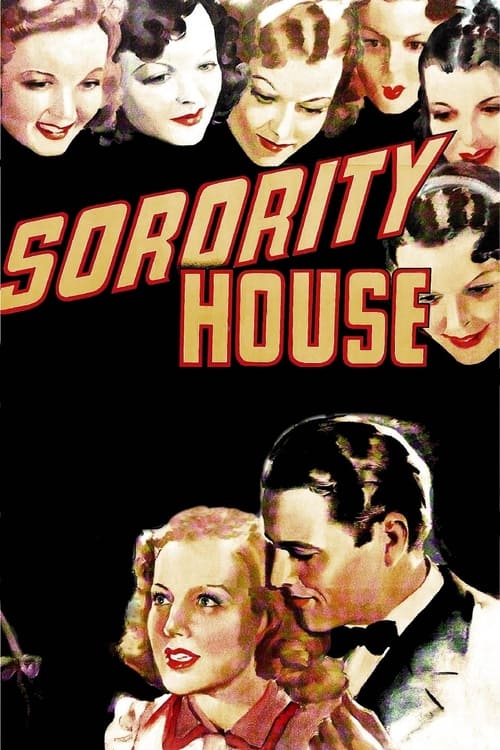
Sorority House is a period-typical social drama that centers on class aspiration and social assimilation. The narrative structure focuses on the tension between individual identity and the rigid expectations of upper-class collegiate life. Reflecting the constraints of the 1939 studio system, the film operates within traditional frameworks. It emphasizes navigating established social hierarchies rather than offering any critique of the status quo. Ultimately, the film captures the demographic homogeneity and social conformity characteristic of the era's high-society depictions.
Category Breakdown
The film follows the strict social structures of the 1930s, where there is no visible representation of LGBTQ+ identities or critiques of traditional social norms.
While the story delves into female social dynamics, it emphasizes conformity to upper-class expectations. The narrative reinforces traditional feminine roles rather than challenging gender hierarchies.
The setting reflects the homogeneous racial demographics typical of high-society Hollywood depictions. There is no evidence of diverse casting or multi-layered character depth.
Themes center on preserving Western social institutions and collegiate hierarchies. The narrative prioritizes social cohesion within established class structures.
There is no evidence regarding the inclusion or portrayal of characters with physical or neurodivergent disabilities.
Present on Screen
Limited or Absent
Official Synopsis
A young girl begins to wonder if she really fits into the upper-class sorority she's trying to join.
1935

1937

1932

1936

1930

1933
1940

1999
No reviews yet. Be the first to share your thoughts on this movie!
Use the rating form above to leave a star rating and optional review.