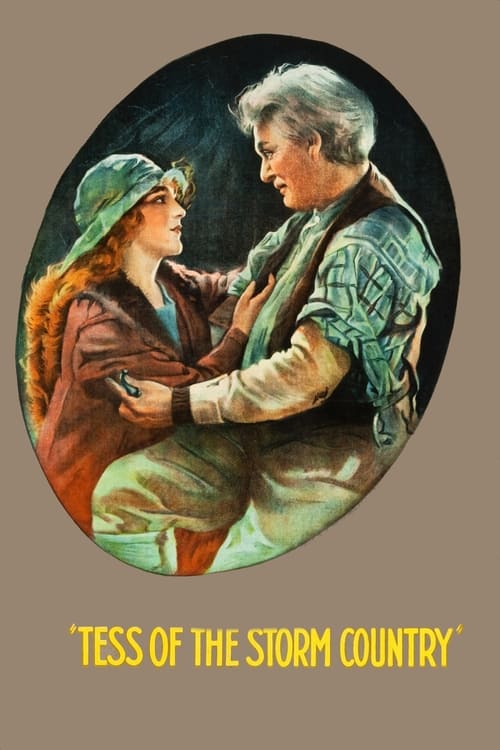
Tess of the Storm Country
1922
No user ratings available yet
Diversity score: 3.4 out of 10
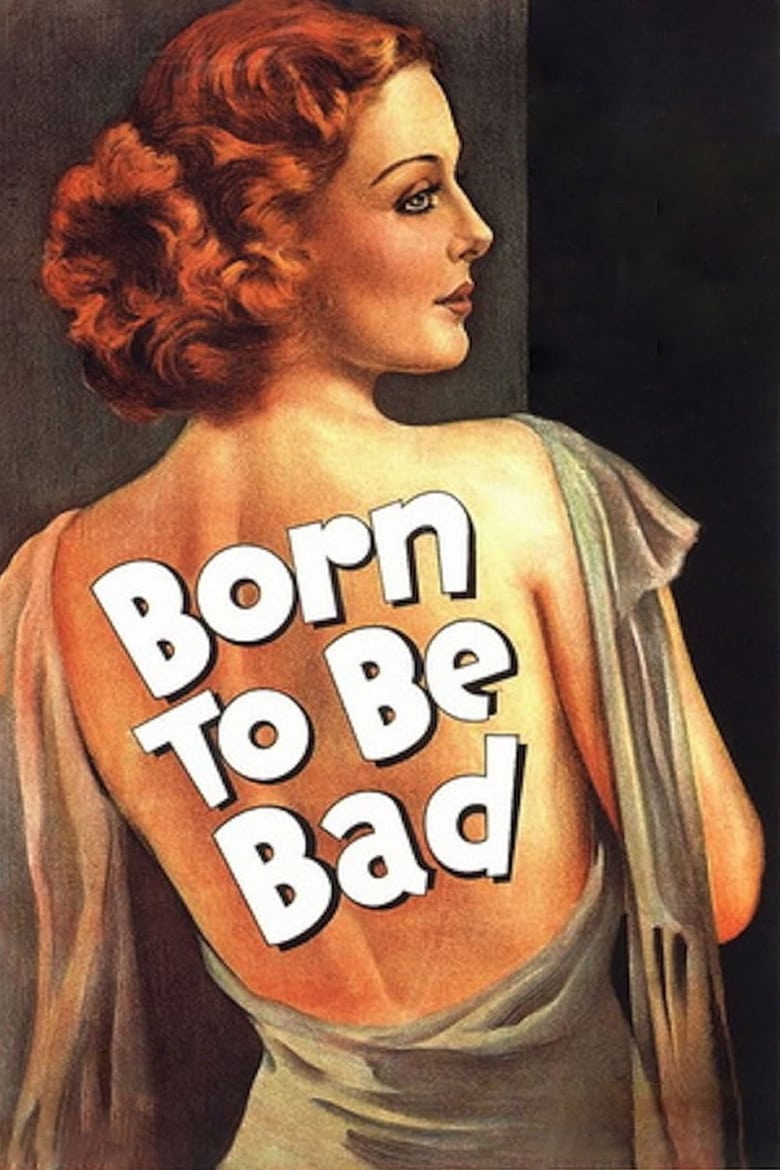
1934
NRDirector
Lowell Sherman
Runtime
62 minutes
Average Rating
No ratings yetSynopsis
Letty, a young woman who ended up pregnant, unmarried and on the streets at fifteen is bitter and determined that her child will not grow up to be taken advantage of. Letty teaches her child to lie, steal, cheat and anything else he'll need to be street smart.
Overall Score
Fair
Category Breakdown
LGBTQ+ Representation
The film operates within standard romantic frameworks of the early 1930s. There is no indication of queer identities or non-heteronormative relationship structures.
Gender Representation
The narrative disrupts the 'virtuous woman' trope by centering a protagonist who embraces a 'bad girl' persona. She uses intellect and defiance rather than submissive piety to navigate social complications.
Racial & Ethnic Diversity
The film features a homogeneous cast typical of 1930s high-society urban dramas. There is no evidence of prominent non-Anglo-Saxon characters or intentional racial blending.
Religious & Cultural Diversity
The story prioritizes situational ethics over singular Christian morality. It frames anti-social behaviors like lying and stealing as necessary survival mechanisms and tools for empowerment.
Disability Representation
There is no discernible evidence regarding the depiction of physical or neurodivergent disabilities.
Strengths
Areas for Improvement
AI Analysis
Born to Be Bad is a notable artifact of the transition from the Pre-Code era to stricter censorship. It succeeds by subverting traditional moral archetypes, specifically through the lens of female agency and the rejection of conventional social etiquette. The film's strength lies in its narrative subversion. It replaces the passive victim archetype with a character who utilizes agency and moral ambiguity to navigate a restrictive social landscape. However, the production lacks demographic breadth. It remains limited by the era's typical homogeneity, offering little representation for LGBTQ+ identities or diverse racial backgrounds.
1922

1996
1915
1935
1930
1930
1944
1934
1932

1933
1933
1925
No reviews yet. Be the first to share your thoughts on this movie!
Use the rating form above to leave a star rating and optional review.