
Dragnet Girl
1933
No user ratings available yet
Representation score: 3.1 out of 10
Representation Score
Minimal
1931
PassedDirector
Rowland V. Lee
Runtime
76 minutes
Average Rating
No ratings yetNew Showbiz Analysis
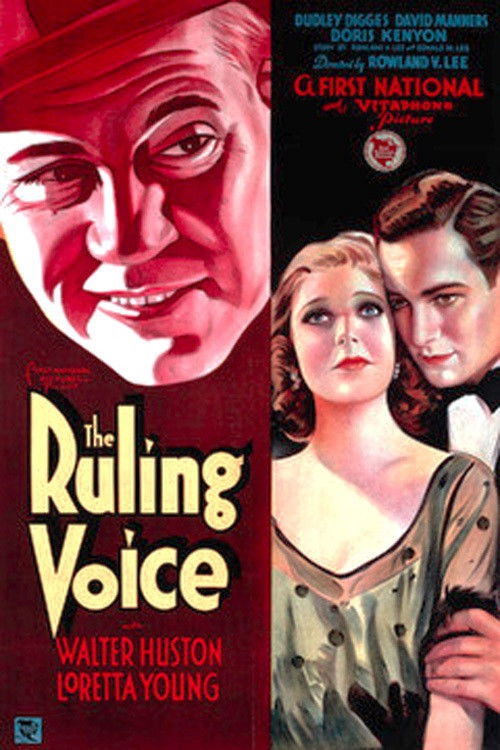
The Ruling Voice is a conventional 1931 crime drama that follows a standard redemption arc. The plot relies on traditional interpersonal dynamics, such as a daughter guiding her criminal father toward moral reformation. Representation is limited by the era's cinematic conventions, using established archetypes like the woman as a moral stabilizer rather than challenging social hierarchies or introducing multi-layered perspectives. Ultimately, the film focuses on familial morality and social order, lacking the complexity needed to provide meaningful diversity or challenge the status quo of the early sound era.
Category Breakdown
The film centers on a father-daughter relationship focused on criminal redemption. There is no representation of LGBTQ+ identities or narratives that challenge the assumption that everyone is straight or cisgender.
A female character serves as the moral guide for the protagonist. She drives the emotional storyline but primarily functions as a traditional moral anchor for the male character.
The film likely adheres to the homogeneous casting standards typical of 1930s crime dramas. There is no indication of diverse racial casting or non-white majority ensembles.
The story emphasizes a shift from crime to social conformity. It prioritizes the restoration of the family unit and law-abiding citizenship over critiques of Western institutions.
The narrative provides no evidence of characters with visible or invisible disabilities.
Present on Screen
Limited or Absent
Official Synopsis
A mob boss has a change of heart when his daughter convinces him to move on from crime.
1933

1937

1933

1930
1932

1935

1927

1931
No reviews yet. Be the first to share your thoughts on this movie!
Use the rating form above to leave a star rating and optional review.