
Céline
1992
No user ratings available yet
Diversity score: 5.2 out of 10

2007
Director
Algimantas Puipa
Runtime
98 minutes
Average Rating
No ratings yetSynopsis
A nearly-suicidal, young woman visits a psychotherapist. She is in love with a priest, and the diagnosis of her husband's mental illness leaves no hope. The psychotherapist, in her attempts to resolve the amassed difficulties, seemingly begins to duplicate the life stages and behavioral patterns of her patient. A script for this film is based on motifs from the best-seller, scandalous novel, Witch and Rain, by female author, Jurga Ivanauskaite. By choosing a priest as the main role for a love story, the author broke an existing societal taboo. Faith, Love and Hope form the trilogy by the authors of this screenplay. Love stands as the grandest of the three.
Overall Score
Good
Category Breakdown
LGBTQ+ Representation
The film explores non-traditional intimacy by centering a scandalous love affair involving a priest. While specific character orientations are not explicitly confirmed, the narrative intentionally breaks societal taboos regarding sacred roles.
Gender Representation
The protagonist possesses significant agency as she navigates suicidal ideation and complex romantic entanglements. The story uses a psychotherapist to explore the sophisticated psychological complexities of female subjectivity.
Racial & Ethnic Diversity
There is insufficient evidence to evaluate racial or ethnic diversity. The narrative appears focused on internal psychological and spiritual conflicts within a specific European cultural framework.
Religious & Cultural Diversity
The film disrupts institutional sanctity by centering a love story on a priest. It challenges the moral exclusivity of the Church through a lens of personal struggle and human desire.
Disability Representation
Mental health is a central, driving element of the human experience here. The film portrays both the protagonist's near-suicidal state and her husband's mental illness through the lens of psychotherapy.
Strengths
Areas for Improvement
AI Analysis
Whisper of Sin is a psychological drama that finds its strength in challenging religious and social hierarchies. By adapting Jurga Ivanauskaite's transgressive themes, the film moves beyond dogmatic storytelling to explore the intersection of faith and human desire. The film excels in its portrayal of mental health and female agency. It treats psychological distress not as a peripheral plot point, but as a core component of the characters' identities and the narrative's structure. However, the film's focus on a specific European cultural and spiritual framework limits its broader racial and ethnic visibility. While it succeeds in subverting religious taboos, it remains a deeply internalized, niche exploration of psychological and spiritual conflict.
1992
1972
2015

1970
1961
1967
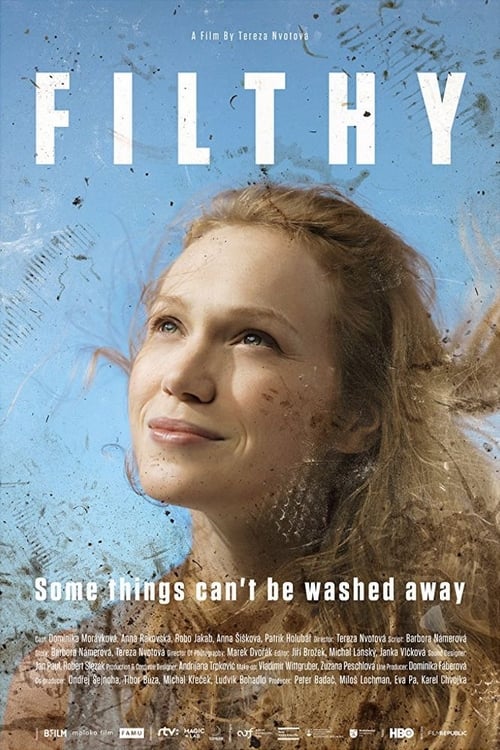
2017
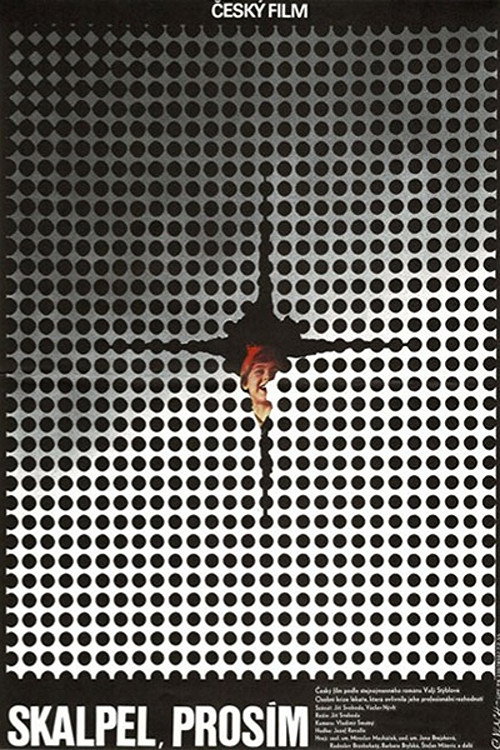
1986
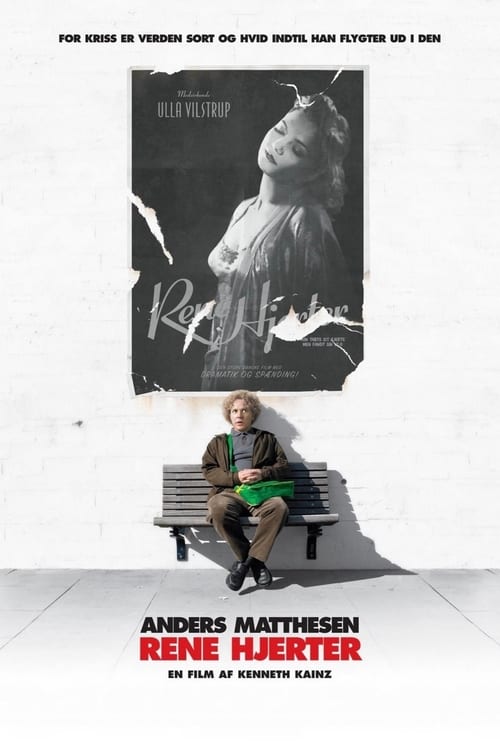
2006
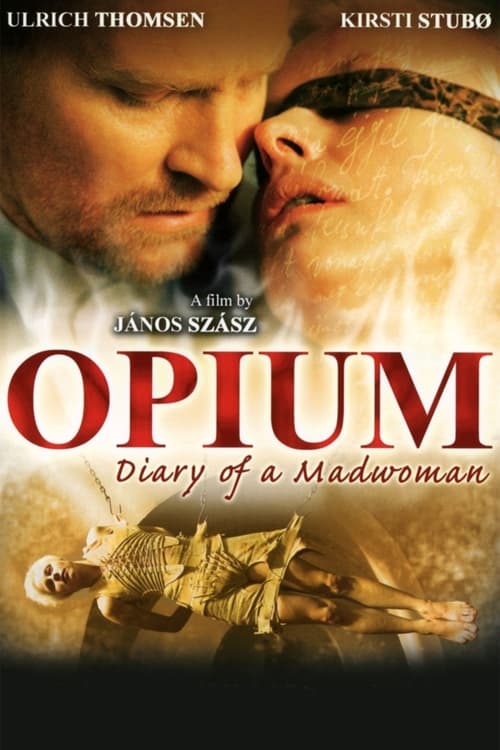
2007
1999
1968
No reviews yet. Be the first to share your thoughts on this movie!
Use the rating form above to leave a star rating and optional review.