Veronika Voss
1982
No user ratings available yet
Representation score: 6.6 out of 10
Representation Score
Fair
2007
UnratedDirector
János Szász
Runtime
109 minutes
Average Rating
No ratings yetNew Showbiz Analysis
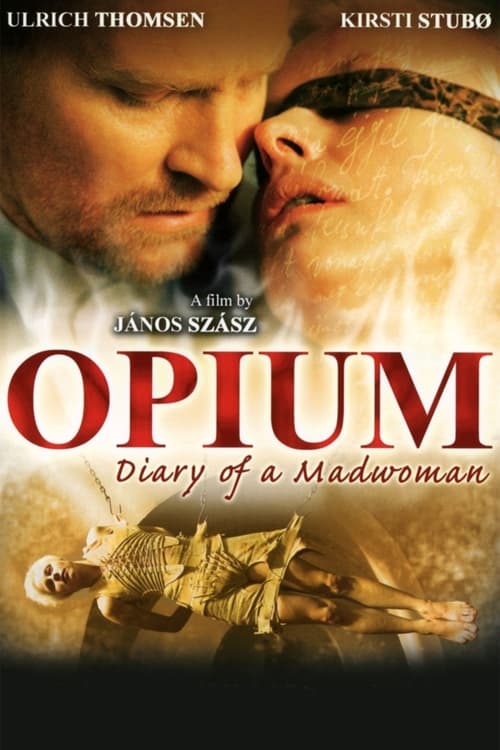
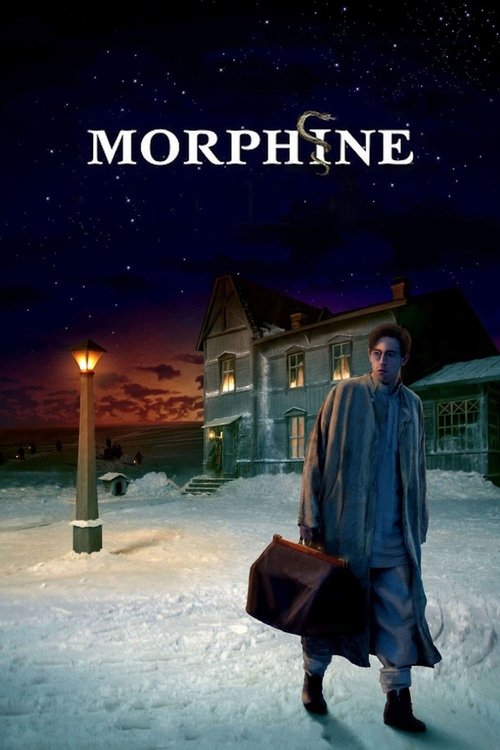
János Szász creates a psychologically rich period drama that focuses on character depth rather than broad demographic representation. The film shines in its nuanced exploration of mental health and gender oppression, going beyond simple clichés to examine the pressures of 19th-century society. However, the film's historical setting limits its engagement with racial and LGBTQ+ diversity. It remains a focused, homogeneous study of a specific European social class and its internal conflicts. Ultimately, the work prioritizes a deep, specialized investigation of the human psyche over broader representation.
Category Breakdown
The film focuses on marriage and maternal trauma without including any queer perspectives or non-traditional gender identities.
The movie provides a detailed look at the limitations placed on women during the 19th century. It examines how societal expectations and restricted female roles contribute to the protagonist's mental breakdown.
Set in 19th-century Hungary, the film features a predominantly white cast. It does not address racial diversity, reflecting the historical context of the time.
The story challenges traditional Western institutions such as the nuclear family. It emphasizes the personal experiences of individuals over the strict moral codes of the era.
Mental illness is central to the story. The film portrays psychological decline as a complex, lived experience rather than just a plot device.
Present on Screen
Limited or Absent
Official Synopsis
A drug-addicted doctor who works in an asylum discovers that one of his patients is a gifted writer.
1982

2019
1996

2016

2021
2006
2001
2008
No reviews yet. Be the first to share your thoughts on this movie!
Use the rating form above to leave a star rating and optional review.