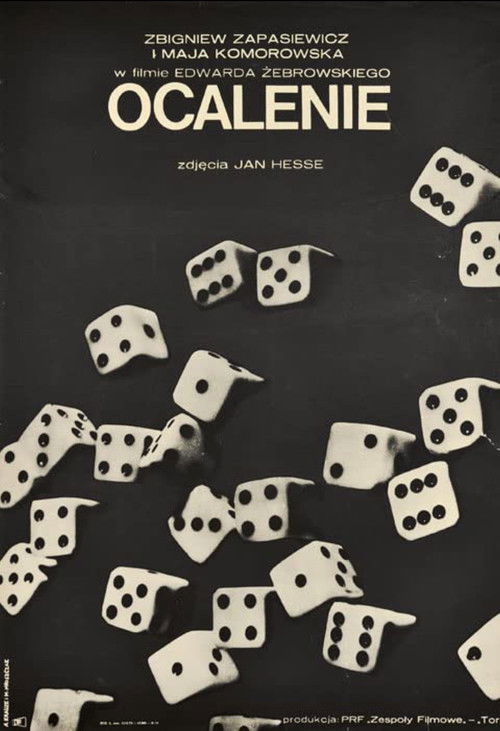
Salvation
1972
No user ratings available yet
Representation score: 2.6 out of 10

Representation Score
Fair
1986
Director
Jiří Svoboda
Runtime
114 minutes
Average Rating
No ratings yetNew Showbiz Analysis
Scalpel, Please is a psychological drama that emphasizes existential inquiry over demographic diversity. It succeeds by challenging the 'heroic physician' cliché, shifting the focus from professional certainty to human vulnerability. Though the film lacks racial and LGBTQ+ diversity, it achieves depth through its critique of systemic structures. The narrative shifts away from traditional authority figures to examine the limits of science and morality. The film’s focus on the psychological impact of illness and the erosion of moral authority provides a sophisticated, albeit narrow, perspective on the human condition.
Category Breakdown
The film does not explicitly include non-straight relationships or identities. The plot centers around professional and existential dilemmas, highlighting traditional interpersonal dynamics.
The story challenges the stoic masculine stereotype by delving into the emotional struggles of an older professor. It examines intellectual and moral dimensions beyond strict gender roles.
Set in a Prague clinic during the 1980s, the cast reflects the demographic uniformity of Eastern Europe at the time. There is no indication of multi-ethnic casting.
The film questions institutional authority by portraying the doctor as a man conflicted by his own principles. It explores ethical dilemmas through individual experiences rather than institutional frameworks.
Víťa’s character offers a serious look at neurological conditions. The film avoids sentimentality, focusing instead on the ethical implications of his terminal condition.
Present on Screen
Limited or Absent
Official Synopsis
An aging professor at a Prague neurological clinic is forced to confront his personal values and the harsh boundaries of medical science. Already burdened by the ultimate questions of life and death, his ethical convictions are put to the test by Víťa, a young patient with an inoperable tumor.
1972

1989

1970
1965

1951
1971

1967

2001
No reviews yet. Be the first to share your thoughts on this movie!
Use the rating form above to leave a star rating and optional review.