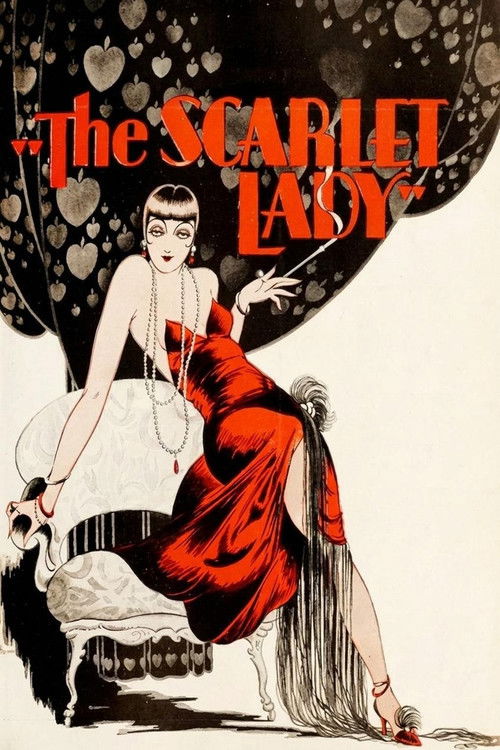
The Scarlet Lady
1928
No user ratings available yet
Diversity score: 4.6 out of 10

1916
Director
Giovanni Pastrone
Runtime
80 minutes
Average Rating
No ratings yetSynopsis
"Tigre Reale" (1916) was the film that consolidated Frau Menichelli's stardom, a film more than suitable for her performing skills and silent idiosyncrasy that any silent diva would kill to star in… In "Tigre Reale", Frau Menichelli performs the part of Frau Natka, a Russian countess with a troublesome past and an uncertain future. She was married to a revolutionary and the matrimony ended in tragedy. She likes to flirt with men but due to her traumatic sentimental past, she doesn't allow herself attachments. That is until she meets a young diplomat who will help her to make up her mind and exorcize her old sentimental traumas.
Overall Score
Fair
Category Breakdown
LGBTQ+ Representation
The film follows a traditional romantic trajectory between a female protagonist and a male diplomat. There is no evidence of queer identities or non-heteronormative relationship structures.
Gender Representation
Frau Natka subverts early 20th-century archetypes through her autonomy and complex emotional landscape. She is characterized by a troublesome past and a refusal to be bound by traditional, submissive feminine roles.
Racial & Ethnic Diversity
The story utilizes an international setting centered on Russian aristocracy and diplomatic circles. However, there is no evidence of multi-ethnic casting or the disruption of racial hierarchies.
Religious & Cultural Diversity
The narrative explores political upheaval and the disruption of social stability through the protagonist's history with a revolutionary. It moves toward a nuanced exploration of how systemic instability affects individuals.
Disability Representation
The film focuses on the psychological trauma of the protagonist. There are no depictions of physical or neurodivergent disabilities presented as part of the character's agency.
Strengths
Areas for Improvement
AI Analysis
The Royal Tigress stands out for its focus on a psychologically complex female lead. Frau Natka operates with a level of agency and emotional autonomy that challenges the passive domestic heroines common in 1916 melodrama. While the film explores international settings and political themes, it remains rooted in the romantic conventions of its era. The narrative lacks explicit LGBTQ+ representation and does not provide evidence of multi-ethnic casting. Ultimately, the film serves as a transitional work. It prioritizes individual agency and the impact of political tragedy over the idealized, static social structures typical of early silent cinema.
1928
1929
1925
1919
1915
1932
1920
1927
1921

1910
1907
1916
No reviews yet. Be the first to share your thoughts on this movie!
Use the rating form above to leave a star rating and optional review.