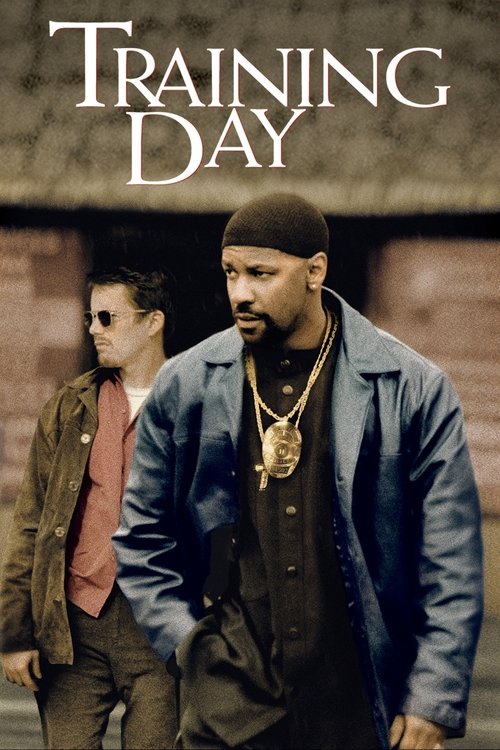
Training Day
2001
No user ratings available yet
Representation score: 2.8 out of 10

Representation Score
Fair
1988
RDirector
Dennis Hopper
Runtime
120 minutes
Average Rating
No ratings yetNew Showbiz Analysis
Colors is a gritty, naturalistic exploration of urban fragmentation in 1980s Los Angeles. It succeeds by providing a nuanced, ethnically diverse look at the demographic realities of gang culture and systemic failure. However, the film is heavily tethered to traditional masculine structures. The lack of women's ability to drive the story and the total absence of LGBTQ+ representation significantly limit its social breadth. Ultimately, while the film is progressive in its socio-political critique and racial realism, it remains narrow in its depiction of gender and identity.
Category Breakdown
The film operates within a strictly straight-centered framework, focusing on hyper-masculine environments such as gang culture and law enforcement, with no presence of queer identities.
Male characters hold nearly all the narrative ability to act, reinforcing patriarchal hierarchies. Female characters remain on the periphery, lacking significant roles or influence over the central plot.
The film disrupts white-normative procedural clichés by centering Black and Latinx identities. It avoids a sanitized approach, leaning into the specific racial tensions of the urban landscape.
The narrative critiques Western institutions by portraying the LAPD as a fractured, corrupt entity. It frames gang environments as byproducts of systemic socio-economic neglect rather than inherent criminality.
There is no intentional focus on disability or neurodivergence. Characters are defined by physical prowess or violence, leaving no room for diverse physical or mental lived experiences.
Present on Screen
Limited or Absent
Official Synopsis
A confident young cop is shown the ropes by a veteran partner in the dangerous gang-controlled barrios of Los Angeles, where the gang culture is enforced by the colors the members wear.
2001
1983
2002
1992
1993
1996
1985

1972
No reviews yet. Be the first to share your thoughts on this movie!
Use the rating form above to leave a star rating and optional review.