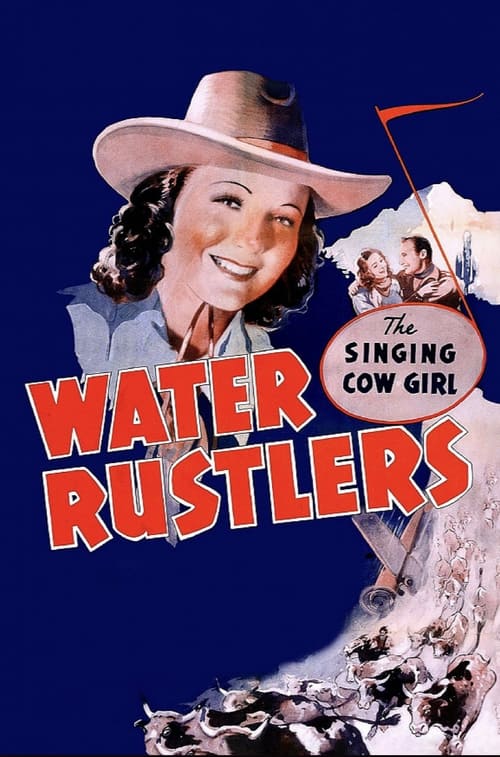
Water Rustlers
1939
No user ratings available yet
Representation score: 1.1 out of 10
Representation Score
Minimal
1942
PassedDirector
Edward Killy
Runtime
60 minutes
Average Rating
No ratings yetNew Showbiz Analysis
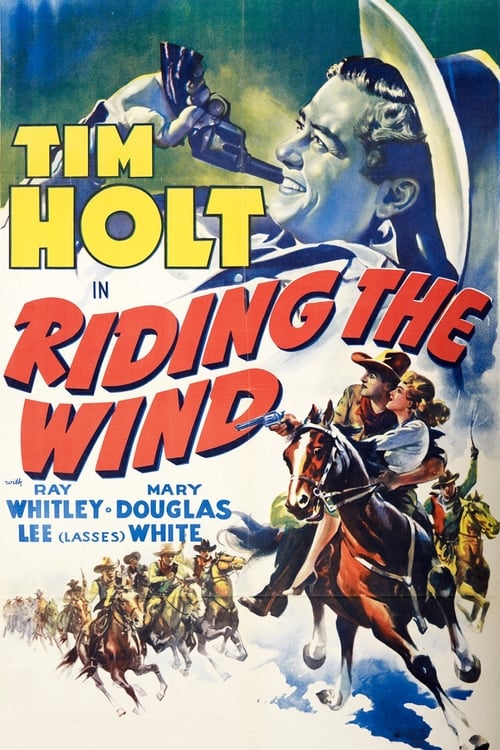
Riding the Wind is a standard 1940s Western that prioritizes individualist conflict over demographic breadth. The plot revolves around Henry Dodge's control of water resources and his subsequent defiance of legal authority through destruction. The film adheres to the era's conventional genre clichés, focusing on masculine authority and property disputes. It lacks the complexity or diverse character representation found in more modern storytelling. Ultimately, the narrative functions as a traditional study of resource control within a homogeneous historical framework, offering little in the way of social or cultural variety.
Category Breakdown
The film does not include any LGBTQ+ characters or narratives that address non-cisgender identities. The story focuses on a resource-based conflict, suggesting a traditional focus on straight relationships.
The narrative centers on masculine power dynamics and physical confrontations. There is no mention of female characters or the subversion of traditional gender hierarchies.
The plot aligns with Western clichés that historically center on Anglo-Saxon protagonists. There is no evidence of a non-white majority or diverse casting.
The film explores themes of rugged individualism and property rights. It prioritizes a singular, violent morality over a pluralistic or systemic critique of institutions.
The synopsis provides no information regarding characters with visible or invisible disabilities.
Present on Screen
Limited or Absent
Official Synopsis
It's the ranchers whose cattle are dying of thirst versus Henry Dodge whose dam holds all the water. When windmills are built and they start pumping water, Dodge has them blown up. When a court order forces him to release the water, he decides to blow up the dam and flood the valley.
1939
1940
1941

1939
1944
1935
1941
1943
No reviews yet. Be the first to share your thoughts on this movie!
Use the rating form above to leave a star rating and optional review.