
Random Harvest
1942
No user ratings available yet
Representation score: 1.7 out of 10
Representation Score
Limited
1926
PassedDirector
F. Harmon Weight
Runtime
69 minutes
Average Rating
No ratings yetNew Showbiz Analysis
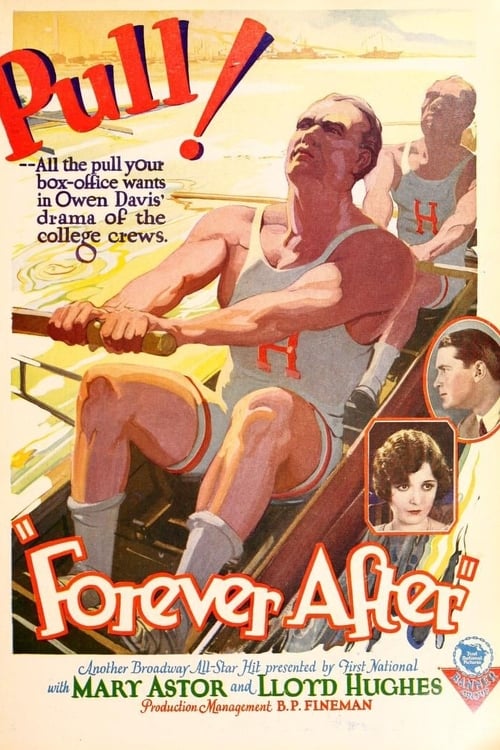
Forever After is a traditional romantic drama centered on nostalgia and memory. The narrative follows a linear progression of recollection, focusing on individual romantic experiences rather than systemic critique. The film reflects the cinematic standards of the 1920s, prioritizing conventional romantic pairings and established social hierarchies. It lacks complexity in reflecting multiple aspects of identity and does not disrupt the era's social norms. Ultimately, the work functions as a sentimental period piece that adheres to the standard dramatic structures of the silent era.
Category Breakdown
The film centers on a romantic relationship between a captain and a woman. It does not include any characters with non-cisgender identities or narratives that challenge the assumption that everyone is straight.
The story revolves around a male protagonist who serves as the main character. Although the female lead is crucial to the emotional storyline, the framework emphasizes a conventional romantic dynamic.
The setting suggests a typical Western drama that traditionally features homogeneous casting. There is no indication of intentional racial blending or non-Anglo-Saxon characters driving the plot.
Themes of memory and college life align with traditional Western storytelling clichés. The narrative operates within the established social and sentimental norms of the early 20th century.
The protagonist is described as wounded, a common cliché in period dramas. This seems to serve as a device for emotional impact rather than a nuanced portrayal of disability.
Present on Screen
Limited or Absent
Official Synopsis
A wounded captain recalls his youth, his time at college, and the woman he fell in love with.
1942

1938

1929
1940

1937

1951
1925

1932
No reviews yet. Be the first to share your thoughts on this movie!
Use the rating form above to leave a star rating and optional review.