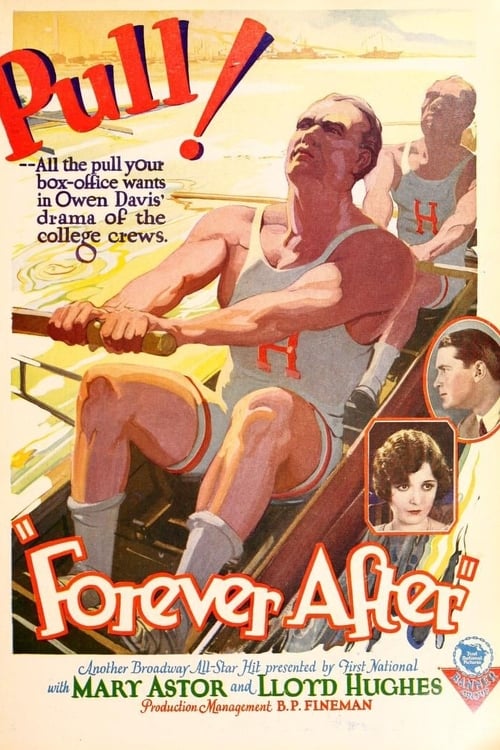
Forever After
1926
No user ratings available yet
Representation score: 2.9 out of 10

Representation Score
Minimal
1942
NRDirector
Mervyn LeRoy
Runtime
125 minutes
Average Rating
No ratings yetNew Showbiz Analysis
Random Harvest is a classic example of 1940s studio filmmaking, emphasizing traditional romantic clichés over social critique. The narrative depends on established hierarchies to create its melodrama, focusing on class and marriage. The film does not intentionally address diverse representation. While it offers a detailed look at emotional resilience, it remains firmly anchored in the social structures of its time. Overall, the work upholds traditional Western values without challenging them.
Category Breakdown
The film adheres to an assumption that everyone is straight or cisgender, with no depiction of LGBTQ+ identities or same-sex relationships.
Theresa demonstrates emotional strength, but her role in the story is shaped by her relationships with men. The narrative emphasizes female empowerment through matrimonial stability.
The cast and setting are predominantly white, focusing on the British upper class. The story lacks characters of color or diverse backgrounds.
This melodrama supports traditional Western social institutions and class mobility. It reinforces the stability of established social hierarchies and traditional courtship.
Amnesia serves as a central plot device for creating romantic tension. The film uses cognitive impairment primarily for dramatic effect rather than portraying the lived experience of disability.
Present on Screen
Limited or Absent
Official Synopsis
Wandered away from his asylum, an amnesiac World War I veteran falls in love with a music hall star but his amnesia makes it difficult to last.
1926

1940

1947

1938

2001
1948
1945

1944
No reviews yet. Be the first to share your thoughts on this movie!
Use the rating form above to leave a star rating and optional review.