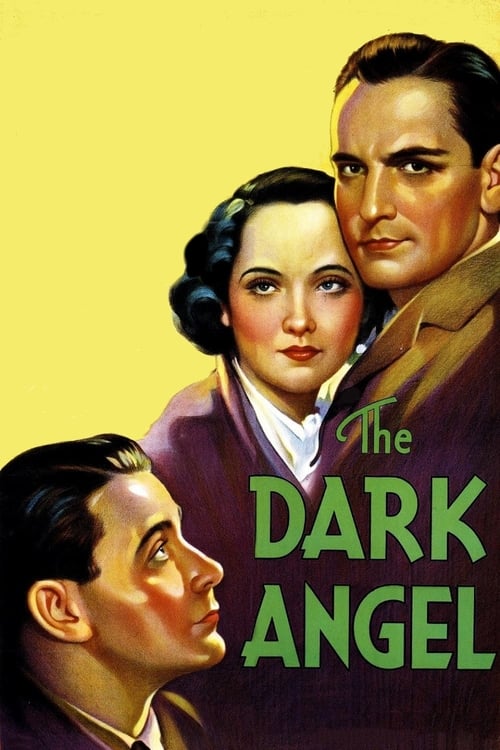
The Dark Angel
1935
No user ratings available yet
Diversity score: 1.3 out of 10

1928
PassedDirector
Victor Fleming
Runtime
90 minutes
Average Rating
No ratings yetSynopsis
A French country lass Marie Ducrot, name is "mud" after she is compromised by a German soldier . Turning to religion, Banky becomes one of the "sisters in white" in the field hospitals of World War 1. THE AWAKENING was nominated by the Academy for its Art Direction in the first transitional year of the talkies. A vast number of films from this year are lost and this is no exception. No print or negative materials are known to exist at this time. William Cameron Menzies received his third nomination for this film, having received two the prior year and winning for both.
Overall Score
Limited
Category Breakdown
LGBTQ+ Representation
The film lacks any documented evidence of non-heteronormative identities. The narrative centers on traditional romantic and social frameworks typical of the era.
Gender Representation
The protagonist shows moderate agency through her evolution from a compromised social position to a purposeful role in a field hospital. This shift from victimhood to service suggests a movement toward self-determination.
Racial & Ethnic Diversity
The story focuses on a European setting with a cast aligned with standard period demographics. There is no evidence of racial blending or non-white characters in prominent roles.
Religious & Cultural Diversity
The narrative utilizes traditional religious structures as a mechanism for redemption. It follows a conventional path of personal reformation within established social and spiritual hierarchies.
Disability Representation
No depictions of physical, sensory, or neurodivergent disabilities are present in the historical record.
Strengths
Areas for Improvement
AI Analysis
The Awakening is a traditional period drama that explores personal transformation through a narrow lens. While the female lead moves from a state of social compromise to active service, the film remains tethered to the conventional demographic and cultural boundaries of 1920s cinema. The narrative relies heavily on established social and religious institutions to drive the protagonist's redemption. This focus on traditional morality prevents the film from offering a more complex or systemic critique of the era's social structures. Ultimately, the film lacks intersectional depth. It functions as a standard melodrama of its time, providing a nuanced look at female agency but failing to represent diverse racial or sexual identities.
1935
1927
1929
1928
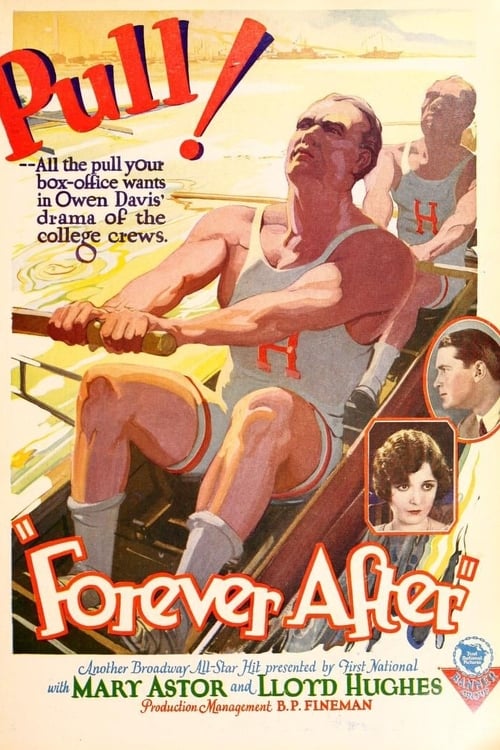
1926
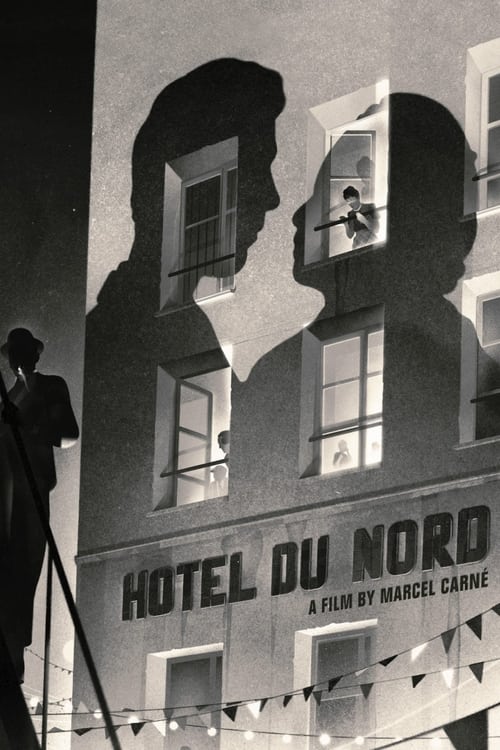
1938
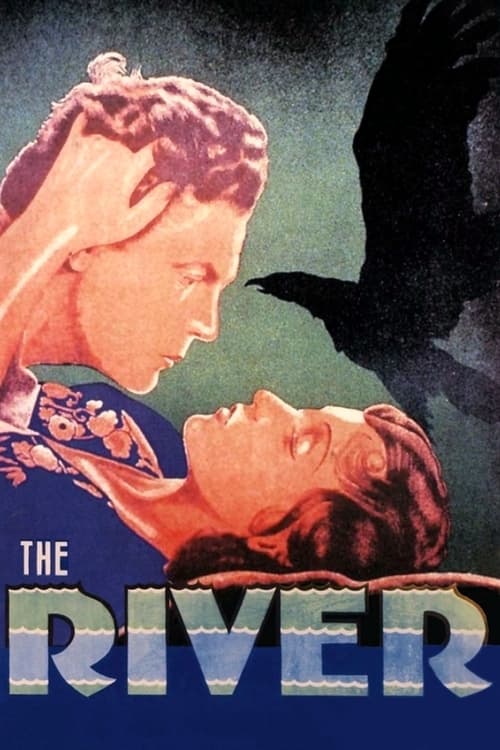
1929
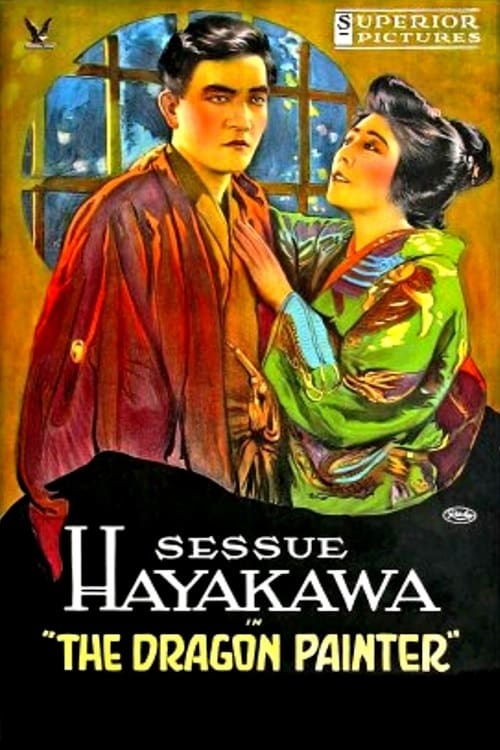
1919
1987

1925
1938
1923
No reviews yet. Be the first to share your thoughts on this movie!
Use the rating form above to leave a star rating and optional review.