
Elena Undone
2010
No user ratings available yet
Representation score: 5.9 out of 10
Representation Score
Excellent
1995
RDirector
Antonia Bird
Runtime
98 minutes
Average Rating
No ratings yetNew Showbiz Analysis
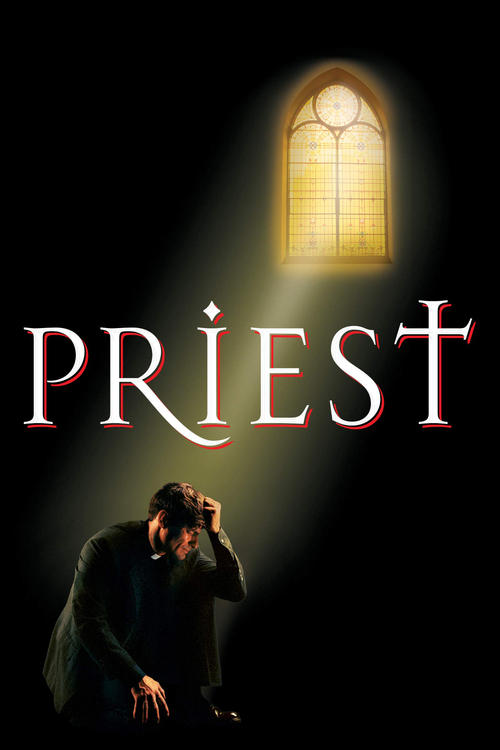
Antonia Bird’s *Priest* is a gritty deconstruction of institutional authority, focusing on the multi-layered struggles of individuals within a flawed system. The film effectively uses a multicultural cast to challenge the idea of a homogeneous norm. However, it lacks depth in specific identity-driven subplots, particularly around LGBTQ+ representation. While it addresses psychological distress, it tends to treat these issues primarily as symptoms of broader social problems rather than exploring them through a lens of empowerment. The film successfully critiques traditional notions of leadership, presenting a more honest, yet struggling protagonist.
Category Breakdown
The film does not include explicit LGBTQ+ narratives or visible queer characters taking a leading role. Instead, it focuses on socioeconomic and spiritual issues.
The film challenges traditional views of masculinity by showing it as a site of struggle rather than stable leadership.
The film features a diverse cast representing various ethnicities, highlighting the multi-layered struggles of a working-class urban community.
The film critiques Western institutions such as the Church and State, portraying them as ineffective or complicit in societal issues.
The film explores addiction and psychological distress as symptoms of broader social problems, but it does not delve deeply into specific forms of empowerment for those with disabilities.
Present on Screen
Limited or Absent
Official Synopsis
The deeply held religious convictions of an idealistic young priest are challenged when he must face extraordinary events within his own congregation.
2010
1968
2011
1995

1987
1985

2022
2002
No reviews yet. Be the first to share your thoughts on this movie!
Use the rating form above to leave a star rating and optional review.