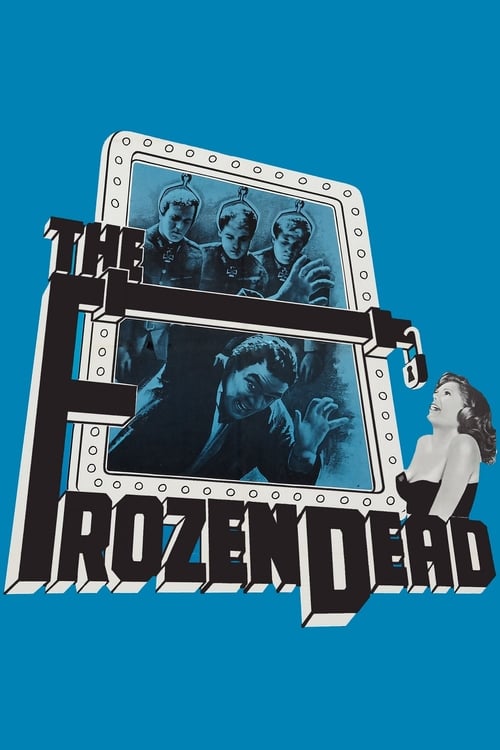
The Frozen Dead
1966
No user ratings available yet
Representation score: 2.6 out of 10
Representation Score
Limited
1961
Director
Fernando Cortés
Runtime
79 minutes
Average Rating
No ratings yetNew Showbiz Analysis
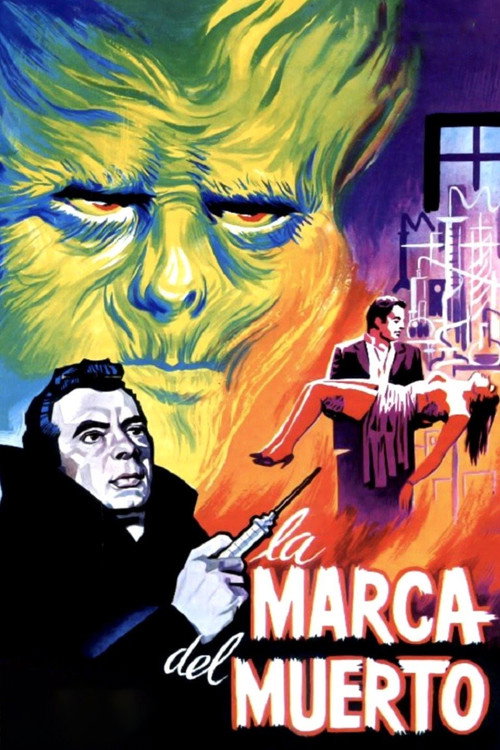
Mark of the Dead Man is a product of its era, adhering strictly to the mid-century horror clichés of the early 1960s. The story is driven by a narrow, patriarchal focus on scientific succession between male relatives, leaving little room for diverse perspectives. The film relies on established genre conventions, such as the mad scientist and the reanimated monster, to drive its plot. While these elements touch on themes of bodily difference, they serve as horror devices rather than meaningful explorations of identity or social critique. Ultimately, the production lacks the intentionality to disrupt traditional hierarchies. It remains a conventional genre piece that reflects the social constraints and homogeneous casting standards of its time.
Category Breakdown
The film focuses on a scientific pursuit between a grandfather and grandson. It does not include any characters with non-traditional gender identities or critiques of the assumption that everyone is straight or cisgender.
The story centers on a male-dominated scientific lineage. It emphasizes traditional gender roles and the patriarchal structure of scientific succession.
The film likely reflects the homogeneous casting standards of 1961. There is no indication of diverse casting or the use of non-human species as ethnic metaphors.
The story uses a classic mad scientist framework centered on individual hubris. It does not offer explicit critiques of Western institutions, capitalism, or organized religion.
The reanimated monster serves as a physical manifestation of biological alteration. However, the character functions as a traditional horror device rather than a nuanced portrayal of disability.
Present on Screen
Limited or Absent
Official Synopsis
Mad scientist brings his dead mad scientist grandfather back to life and makes a Frankenstein-type monster out of him.
1966

1958
1959
1939
1972

1974
1969
1969
No reviews yet. Be the first to share your thoughts on this movie!
Use the rating form above to leave a star rating and optional review.