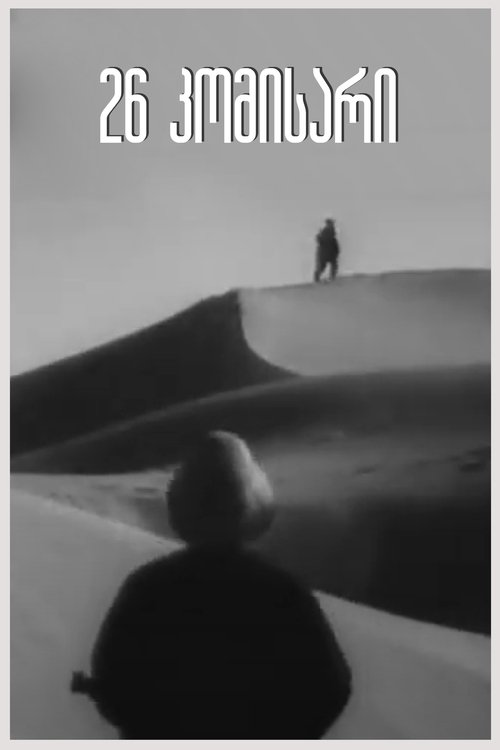
26 Commissioners
1933
No user ratings available yet
Representation score: 4.7 out of 10

Representation Score
Fair
1942
Director
Mark Donskoy
Runtime
92 minutes
Average Rating
No ratings yetNew Showbiz Analysis
Mark Donskoy’s film is a quintessential work of Socialist Realism, prioritizing class-based solidarity over individual identity. It challenges traditional gender roles by presenting women as active political participants, yet it remains limited by the era's homogeneous social focus. The film's strength lies in its radical cultural critique. By deconstructing Western-aligned institutions and religious hegemony, it creates a powerful narrative of social reorganization. However, it lacks any representation of LGBTQ+ identities or multi-ethnic diversity. Ultimately, the film trades nuanced exploration of multiple identities for a singular, intense focus on the proletariat. It is a study of collective struggle that views physical suffering as a means of ideological forging.
Category Breakdown
The film focuses on collective revolutionary struggle and proletarian identity. There is no depiction of non-straight or non-cisgender identities or same-sex relationships.
Women are portrayed as political and military comrades rather than domestic figures. Female characters play a significant role in driving the story and have substantial influence within the movement.
The cast reflects the specific ethnic demographics of the Russian revolutionary era. Identity is framed through socioeconomic class rather than diverse ethnic or racial blending.
The narrative offers a strong critique of capitalism and religious institutions. It celebrates the dismantling of the Tsarist regime and the Orthodox Church to build a new social order.
Physical and psychological hardships drive the protagonist's journey. However, these struggles often serve as symbolic tools for character development rather than exploring disability in depth.
Present on Screen
Limited or Absent
Official Synopsis
This literary adaptation was one of only two films made during World War II on the subject of the Civil War following the Bolshevik Revolution, as attention by filmmakers and viewers shifted away from past history and toward the current conflict.
1933
1928
1973
2011

1957
1972
1951
1936
No reviews yet. Be the first to share your thoughts on this movie!
Use the rating form above to leave a star rating and optional review.