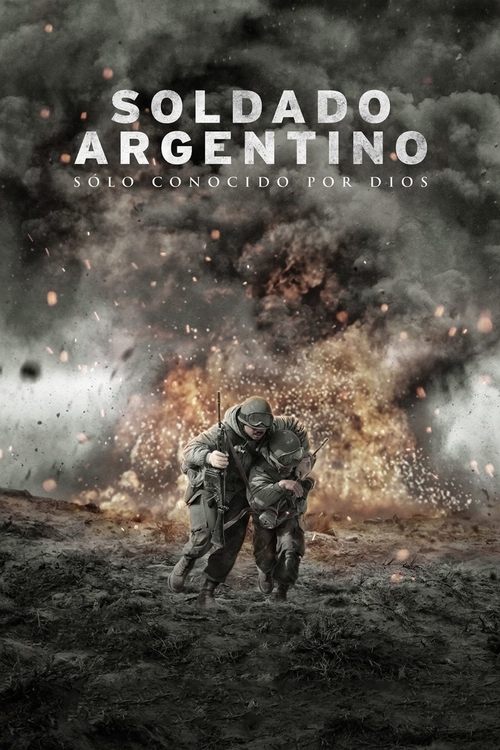
Argentine Soldier Only Known by God
2017
No user ratings available yet
Representation score: 4.3 out of 10
Representation Score
Minimal
2013
Director
Pablo Moreno
Runtime
133 minutes
Average Rating
No ratings yetNew Showbiz Analysis
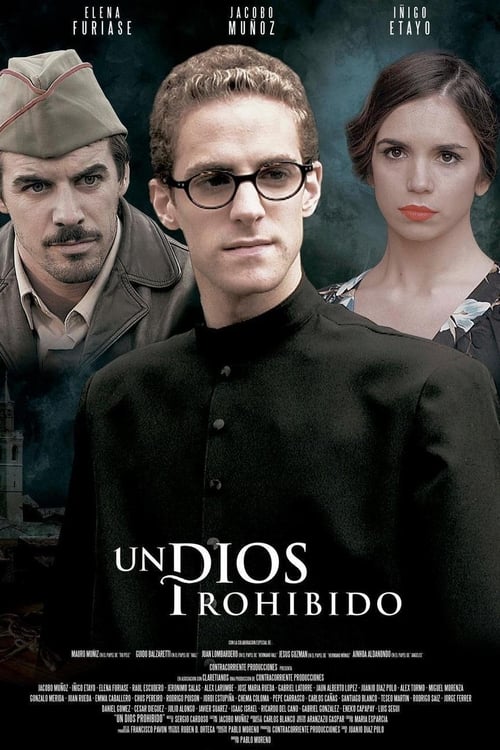
A Forbidden God is a traditionalist historical drama that prioritizes religious testimony and the preservation of established moral hierarchies. Its narrative architecture reinforces conventional social, gender, and cultural norms, focusing on the martyrdom of the Claretian community, a specific, homogeneous demographic of the 1930s Spanish clergy. Ultimately, the work functions as a defense of religious conviction, positioning the Church as a moral protagonist against secular political forces.
Category Breakdown
There are no LGBTQ+ characters or critiques of the assumption that everyone is straight or cisgender in the film, which focuses on the martyrdom of a religious community during the Spanish Civil War.
The film centers on the Claretian community, a historically male-dominated religious order, emphasizing traditional patriarchal structures and male spiritual leadership.
Set in Huesca during the 1930s, the cast reflects the homogeneous demographic of the Spanish clergy, adhering to historical accuracy without intentional racial diversity.
The film celebrates Christian morality and portrays faith as a central pillar of identity, defending traditional Western religious institutions against state-driven secularism.
The film does not include characters with visible or invisible disabilities, nor does it provide ability to act to neurodivergent or physically disabled individuals.
Present on Screen
Limited or Absent
Official Synopsis
August 1936, the beginning of the Spanish Civil War. 51 members of the Claretian community of Barbastro (Huesca) are martyred, die for their faith. The film recounts the last weeks of his life, since they are held until they are finally shot. During that time, they perform various writings they talk about their situation, of his fellow captives, people who saw them. These writings have been the basic testimony used to narrate this real fact in film version.
2017
2011
2017
2012
2021
1928
1972
2019
No reviews yet. Be the first to share your thoughts on this movie!
Use the rating form above to leave a star rating and optional review.