The Big Trees
1952
No user ratings available yet
Representation score: 1.9 out of 10
Representation Score
Minimal
1939
ApprovedDirector
Cecil B. DeMille
Runtime
135 minutes
Average Rating
No ratings yetNew Showbiz Analysis
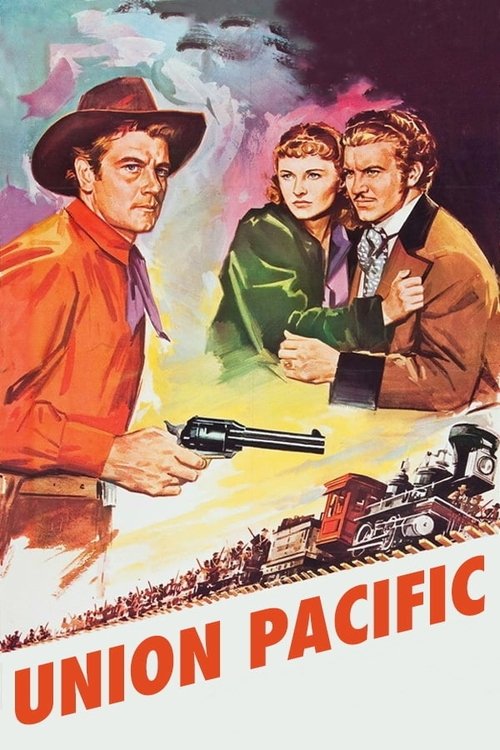
Union Pacific is a classic mid-century epic that upholds traditional social hierarchies and nationalistic narratives. The film emphasizes capitalist expansion and patriarchal leadership, portraying the railroad's construction as a heroic act of individual ambition. By focusing on white industrial leaders, the film sidelines non-white groups, treating them as obstacles to progress rather than fully developed characters. Ultimately, the film reinforces the dominant power structures of its time, emphasizing order and industrial triumph.
Category Breakdown
The film follows traditional heterosexual norms, focusing on conventional romance and male competition for a female lead. There are no characters who identify outside the cisgender norm.
The story centers around a patriarchal structure where female characters play significant roles as emotional anchors but their influence is defined by their relationships with men. Masculine leadership and industrial progress are emphasized.
The film depicts Indigenous populations as barriers to progress, reflecting colonial-era attitudes. The cast is mainly Anglo-Saxon, highlighting the story of white industrial growth.
The film glorifies Western expansion and industrial capitalism, reinforcing the idea of great leaders shaping history. It portrays the railroad and national unity as heroic achievements.
There are no significant representations of visible or invisible disabilities in the main storyline.
Present on Screen
Limited or Absent
Official Synopsis
One of the last bills signed by President Lincoln authorizes pushing the Union Pacific Railroad across the wilderness to California. But financial opportunist Asa Barrows hopes to profit from obstructing it. Chief troubleshooter Jeff Butler has his hands full fighting Barrows' agent, gambler Sid Campeau; Campeau's partner Dick Allen is Jeff's war buddy and rival suitor for engineer's daughter Molly Monahan. Who will survive the effort to push the railroad through at any cost?
1952
1930
1931
1948
1938
1963
1926
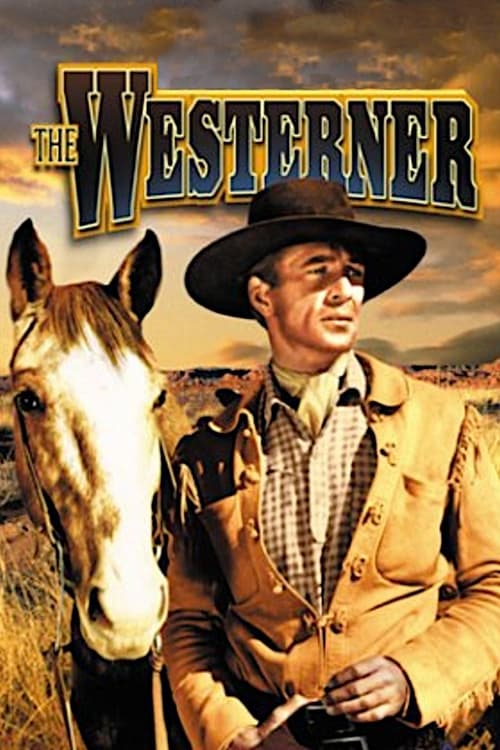
1940
No reviews yet. Be the first to share your thoughts on this movie!
Use the rating form above to leave a star rating and optional review.