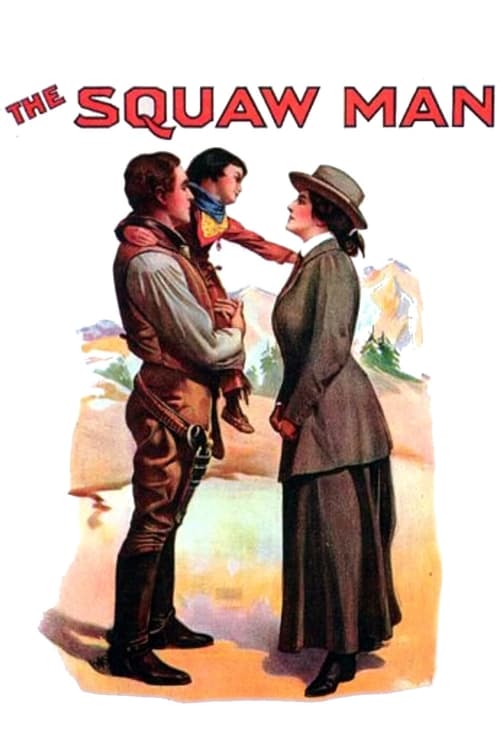
The Squaw Man
1914
No user ratings available yet
Representation score: 2.1 out of 10
Representation Score
Minimal
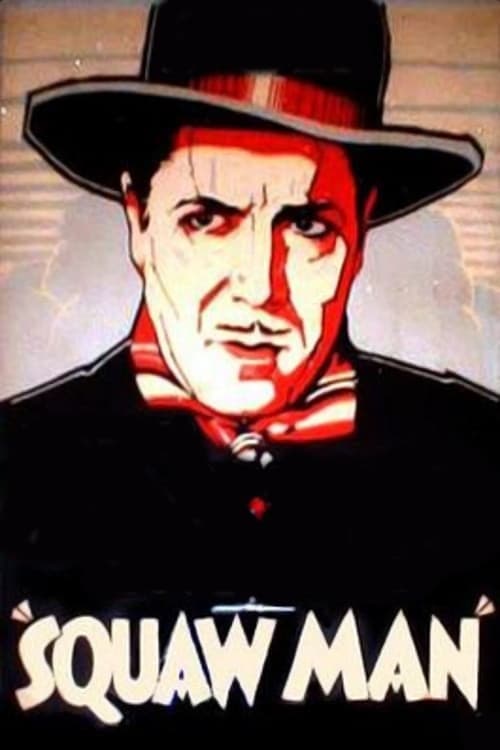
1931
PassedDirector
Cecil B. DeMille
Runtime
107 minutes
Average Rating
No ratings yetNew Showbiz Analysis
The film functions as a traditional melodrama that prioritizes established social hierarchies. While it introduces a notable interracial marriage, the narrative structure adheres to the conventions of 1931 Western cinema. Gender roles and cultural values are strictly maintained. Female characters lack a significant role in driving the story, and the plot resolution restores social order and class stability rather than challenging it. Overall, the film reflects the standard dramatic frameworks of 1931 Western cinema, balancing frontier individualism against the rigid structures of the English class system.
Category Breakdown
The film does not include any LGBTQ+ identities or queer subtext. Romantic conflicts focus solely on traditional heterosexual relationships and class-based courtship.
Female characters are mainly defined by their relationship to the male protagonist. Their emotional journeys are explored, but plot ability to act remains primarily with the men.
The central interracial marriage between an English aristocrat and a Native American woman breaks the typical era homogeneity. However, the portrayal remains tied to period melodrama.
The narrative upholds traditional Western structures and the sanctity of European aristocracy. It examines the tension between social systems without dismantling either.
There are no prominent depictions of physical or neurodivergent disabilities that serve as central narrative elements.
Present on Screen
Limited or Absent
Official Synopsis
Jim Wyngate, an English aristocrat, comes to the American West under a cloud of suspicion for embezzlement actually committed by his cousin Lord Henry. In Wyoming, Wyngate runs afoul of cattle rustler Cash Hawkins by rescuing the Indian girl Naturich from Hawkins. Wyngate marries Naturich, but then learns that his cousin Lord Henry has been killed and has cleared his name before dying. As Wyngate has long loved Lady Diana, Lord Henry's wife, he is perplexed at his situation. But fate takes a hand and resolves matters as Wyngate could not have predicted.
1914
1930
1926
1940
1933
1928
1927
1926
No reviews yet. Be the first to share your thoughts on this movie!
Use the rating form above to leave a star rating and optional review.