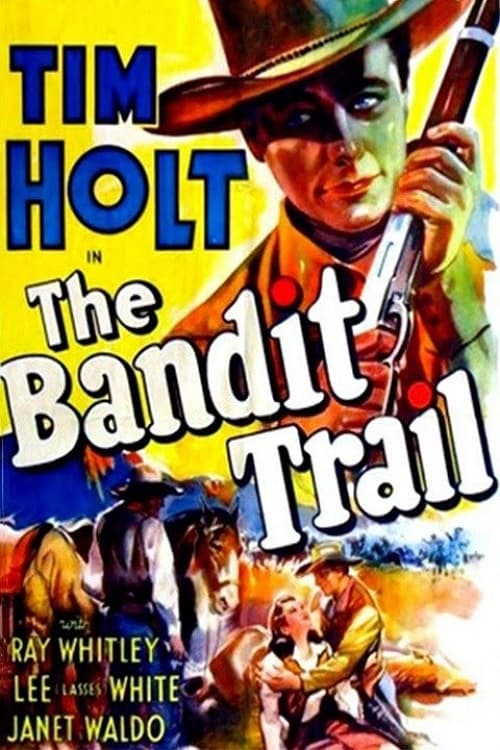
The Bandit Trail
1941
No user ratings available yet
Diversity score: 2.3 out of 10
1946
PG-13Director
William Nigh
Runtime
69 minutes
Average Rating
No ratings yetSynopsis
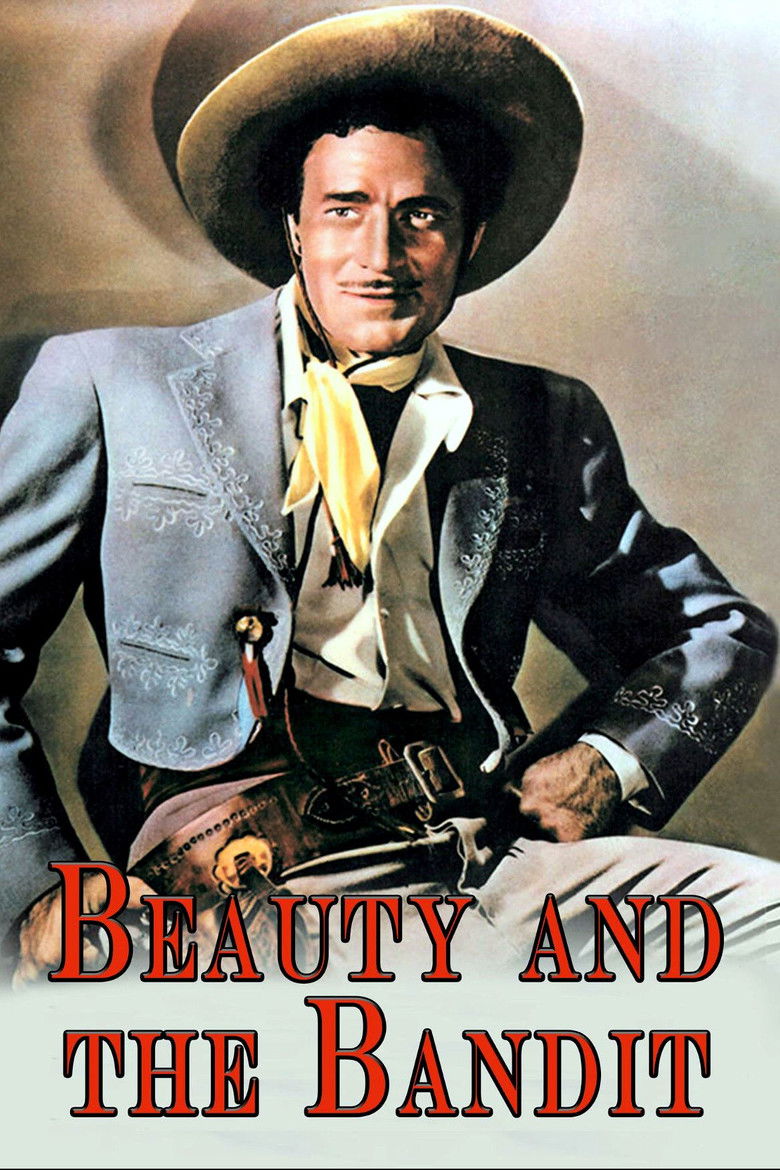
In Old California, a young Frenchman transporting a chest full of silver travels by stagecoach to San Marino, to complete a complex business deal. The stagecoach is ambushed by a band of men whose leader, a mysterious bandido known as Cisco (Gilbert Roland), claims the silver is money that was extorted over a period of years from the poor people of California. The bandits take the money and escape, but Cisco stays behind with the Frenchman -- who, it turns out, is actually a lovely mademoiselle, Jeanne DuBois (Ramsay Ames). She follows him to the bandit's lair, where Cisco tells her he intends to return the stolen money to the poor people. The two rivals are irresistibly drawn to each other, however, and as a token of love Cisco offers to return the money to Jeanne instead. Now she must decide whether to complete her business deal, or to comply with Cisco's wishes and redistribute the wealth.
Overall Score
Fair
Category Breakdown
LGBTQ+ Representation
The film focuses on a traditional romantic arc between a male protagonist and a female lead. There is no evidence of queer subtext or non-cisnormative identities.
Gender Representation
Jeanne DuBois subverts era expectations by adopting a masculine guise to conduct business. Her agency in a male-dominated landscape provides a moderate disruption of traditional female passivity.
Racial & Ethnic Diversity
Casting Gilbert Roland as Cisco provides meaningful Hispanic representation within the Western genre. The inclusion of a French character also suggests a multicultural landscape.
Religious & Cultural Diversity
The plot critiques institutional capitalism by framing the silver as extorted wealth. The narrative explores the morality of wealth redistribution versus strict legalistic business deals.
Disability Representation
There are no visible or invisible disabilities portrayed in the narrative.
Strengths
Areas for Improvement
AI Analysis
Beauty and the Bandit functions as a transitional Western that disrupts several genre conventions. While it relies on 1940s romantic tropes, it introduces complexity through its central conflict regarding systemic economic structures. The film elevates itself above standard, homogeneous Westerns by framing the bandit as a figure of social justice. This shift from a simple criminal narrative to a critique of wealth legitimacy adds significant thematic depth. Ultimately, the film's strength lies in its subversion of gendered presentation and its embrace of a non-Anglo protagonist, providing a more nuanced view of Old California than many of its contemporaries.
1941
1957

1954
1943
1928
1945
1938
1938
1967
1939
1942
1926
No reviews yet. Be the first to share your thoughts on this movie!
Use the rating form above to leave a star rating and optional review.