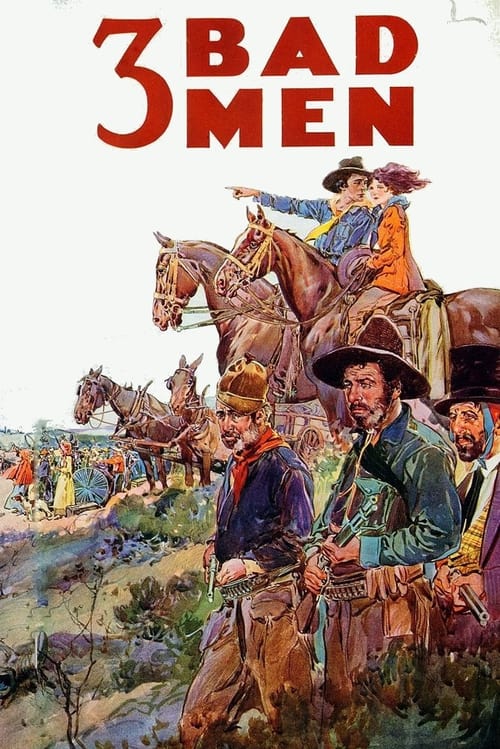
3 Bad Men
1926
No user ratings available yet
Representation score: 0.5 out of 10
Representation Score
Minimal
1942
PassedDirector
Norman Z. McLeod
Runtime
79 minutes
Average Rating
No ratings yetNew Showbiz Analysis
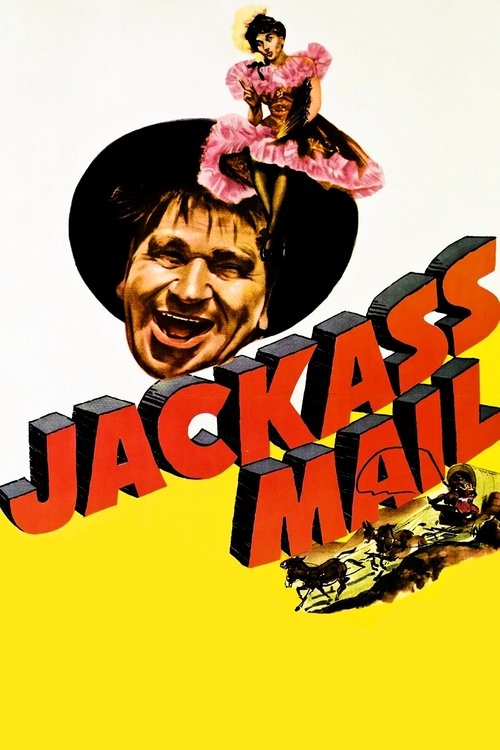
Jackass Mail is a traditional 1942 Western romance that adheres to the rigid social and cinematic conventions of its time. The story is driven by cycles of male-centric conflict, focusing on an orphan's relationship with a criminal figure. Since the film follows the standard archetypes of early 1940s filmmaking, it lacks complexity in representing multiple aspects of identity. The narrative structure emphasizes masculine roles and conventional Western themes over critical examination or diverse representation. Ultimately, the film serves as a period piece that upholds the homogeneous social structures typical of the genre during this era.
Category Breakdown
The film does not include any characters with LGBTQ+ identities. The narrative focuses on traditional masculine roles common in 1942 films.
The story revolves around male-driven conflicts involving a father, an orphan, and a robber. Despite being labeled a romance, the plot is rooted in patriarchal traditions.
The film depicts a conventional Western setting that likely reinforces homogeneous social structures. There is no indication of a multi-ethnic cast.
The narrative centers on individual moral struggles related to crime and theft. It aligns with traditional conservative views of justice.
Characters in the film follow typical physical archetypes of the Western genre. None of the characters are shown dealing with physical or neurological differences.
Present on Screen
Limited or Absent
Official Synopsis
An unknowing orphan idolizes the horse thief/mail robber who has shot his father.
1926
1941
1941
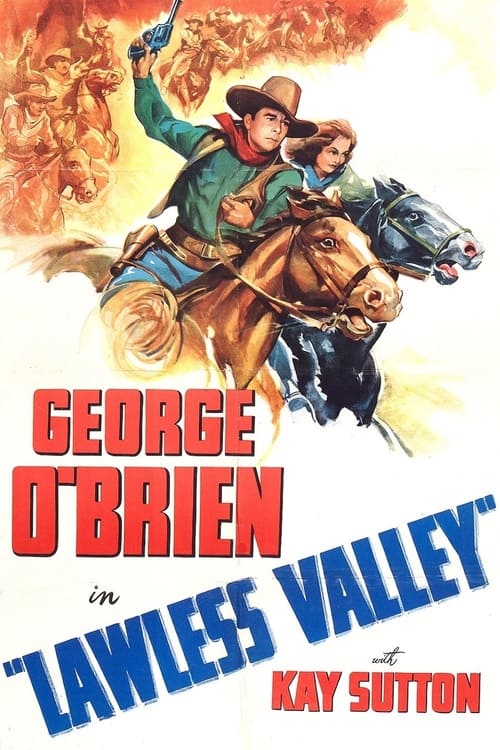
1938

1937
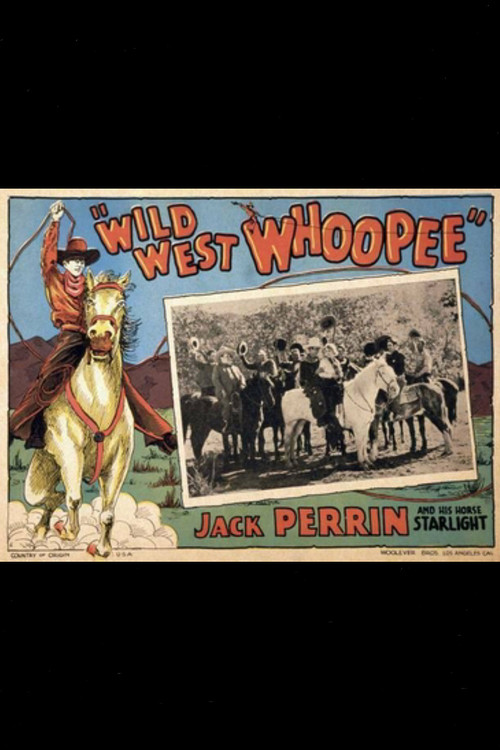
1931
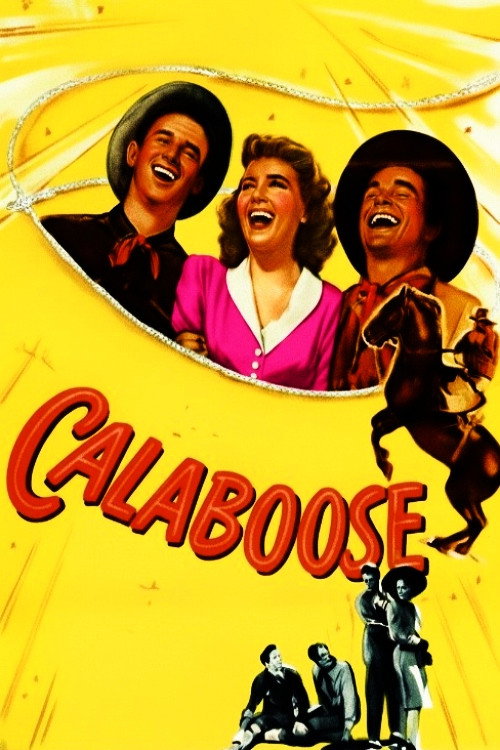
1943
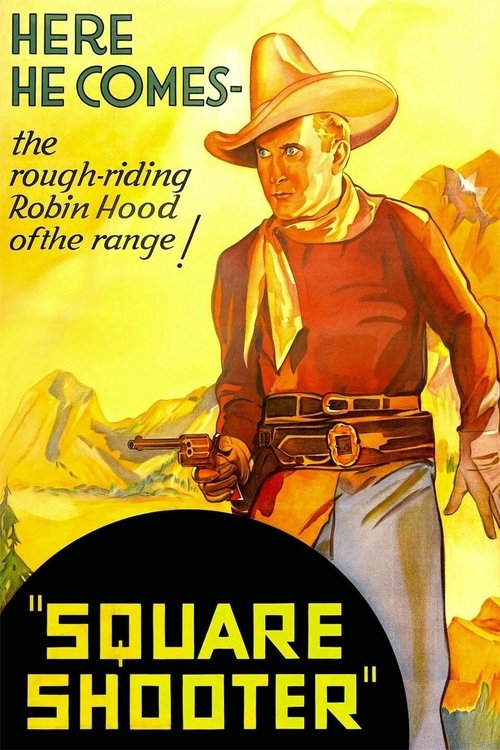
1935
No reviews yet. Be the first to share your thoughts on this movie!
Use the rating form above to leave a star rating and optional review.