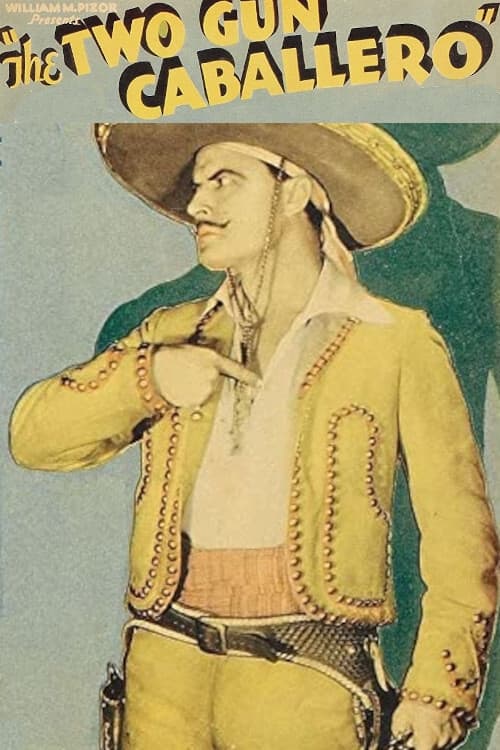
Two-Gun Caballero
1931
No user ratings available yet
Representation score: 1.4 out of 10
Representation Score
Minimal
1926
NRDirector
John Ford
Runtime
92 minutes
Average Rating
No ratings yetNew Showbiz Analysis
John Ford's 1926 silent Western is a quintessential product of its era, reflecting the demographic homogeneity of early 20th-century cinema. The film relies heavily on established masculine archetypes and traditional gender hierarchies. While the narrative provides a foundational Western experience, it lacks diverse representation. The social landscape is almost entirely white, and the story operates within a singular, conventional cultural perspective. Ultimately, the film reinforces the status quo of its time rather than challenging it, resulting in a narrow scope of representation across racial, sexual, and disability axes.
Category Breakdown
The film does not include any LGBTQ+ characters or non-straight relationships. Romantic elements focus entirely on traditional courtship dynamics.
Gender roles reflect 1920s hierarchies, emphasizing masculine archetypes such as the outlaw and protector. The female protagonist acts as a moral guide but is mostly reactive to male characters' actions.
The cast and setting are predominantly white and Anglo-Saxon. The narrative lacks significant racial or ethnic diversity, focusing on a homogeneous social group.
The story adheres to frontier mythologies and traditional morality. It emphasizes individualist survival and redemption rather than challenging Western institutions or social orders.
There is no representation of physical or neurodivergent disabilities. Characters are defined by their social status as outlaws rather than any disability.
Present on Screen
Limited or Absent
Official Synopsis
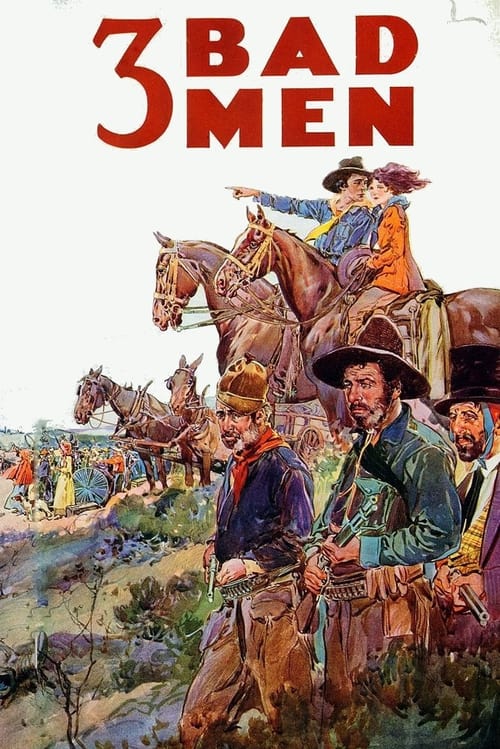
Three outlaws come to the aid of a young girl after her father is killed.
1931
1930
1922
1946
1938
1940
1957
1923
No reviews yet. Be the first to share your thoughts on this movie!
Use the rating form above to leave a star rating and optional review.