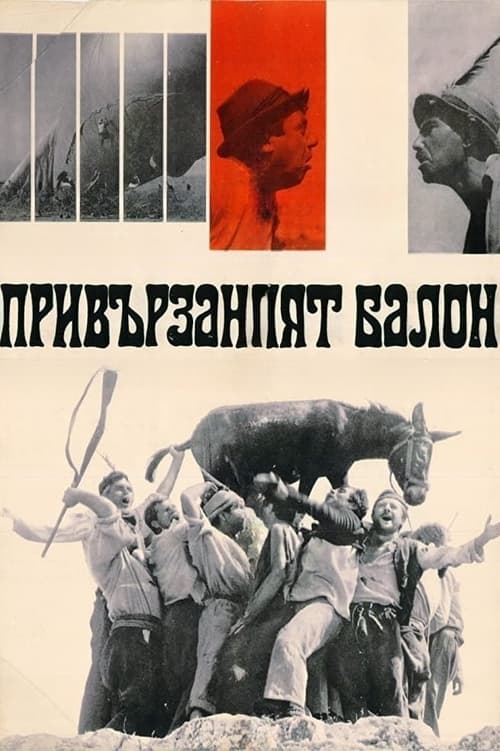
The Tied Up Balloon
1967
No user ratings available yet
Representation score: 5.5 out of 10
Representation Score
Fair
1970
Director
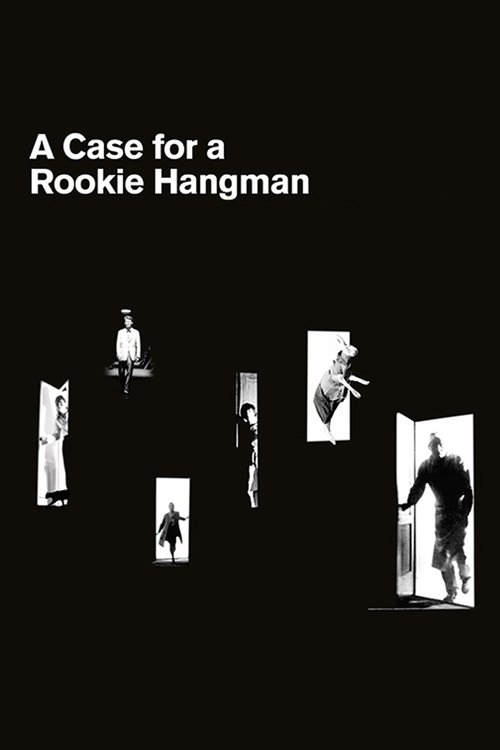
Pavel Juráček
Runtime
102 minutes
Average Rating
No ratings yetNew Showbiz Analysis
Pavel Juráček’s work prioritizes systemic critique over demographic representation. The film functions as a sophisticated postmodern allegory, using surrealism to deconstruct the legitimacy of state power and institutionalized violence. While the film scores low in traditional identity-based metrics like race, gender, and LGBTQ+ inclusion, it finds its strength in cultural and institutional critique. It challenges the very concept of justice through a lens of moral relativism. Ultimately, the narrative structure is designed to examine the absurdity of the individual against the state, rather than to provide a platform for modern identity politics.
Category Breakdown
The film does not explicitly depict non-straight relationships or same-sex intimacy. There are no clear queer-coded characters or narratives that challenge the assumption that everyone is straight or cisgender.
The story focuses heavily on male-dominated bureaucratic structures. The protagonist’s journey is viewed through a male perspective, and Markéta is portrayed as a passive memory rather than an active participant.
Set within a specific European allegorical framework, the film does not feature a diverse or non-Anglo-Saxon majority cast. The setting emphasizes a stylized social hierarchy that does not prioritize different racial or ethnic backgrounds.
The film excels in its critique of institutional authority through a Kafkaesque, surrealist lens. It portrays Western-style state power and legal systems as inherently absurd, corrupt, and dehumanizing performances.
There is no significant portrayal of characters with visible or invisible disabilities having ability to act. The protagonist’s disorientation serves as an existential metaphor rather than an exploration of neurodivergence or physical disability.
Present on Screen
Limited or Absent
Official Synopsis
Lemuel Gulliver has had a car accident and continues his journey across the unknown countryside on foot. On the road he finds a dead rabbit dressed like a man and takes a watch from its waistcoat breast pocket. The half-ruined house that he enters reminds Lemuel of his childhood and brings up a painful memory of a dearly loved girl Markéta who was drowned years ago. Gulliver finds himself in Balnibarbi, a country where he doesn't understand the laws and habits and so continually offends against public decency. It is a day when people are ordered to keep their mouths shut and they force their visitor to follow suit. He faces harsh interrogation and finds it difficult to explain that he is not the rabbit Oscar whose watch has been found in his possession.
1967
1974
2006
1966
1962
1988

1979
1926
No reviews yet. Be the first to share your thoughts on this movie!
Use the rating form above to leave a star rating and optional review.