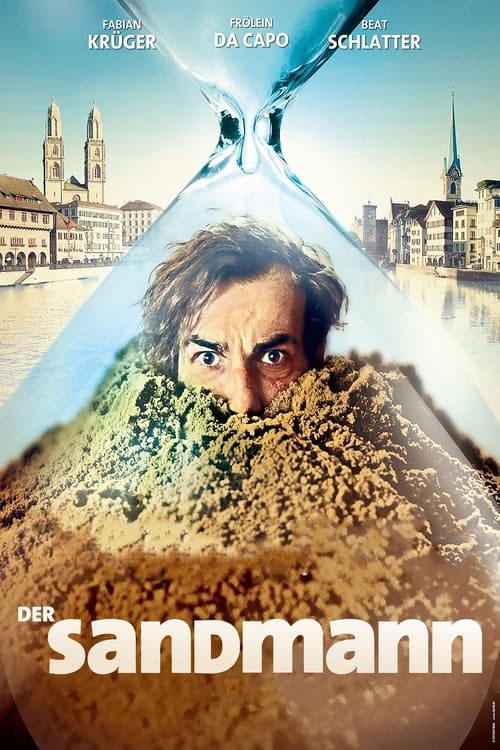
The Sandman
2011
No user ratings available yet
Representation score: 6.7 out of 10
Representation Score
Good
2006
Not RatedDirector
Jens Lien
Runtime
95 minutes
Average Rating
No ratings yetNew Showbiz Analysis
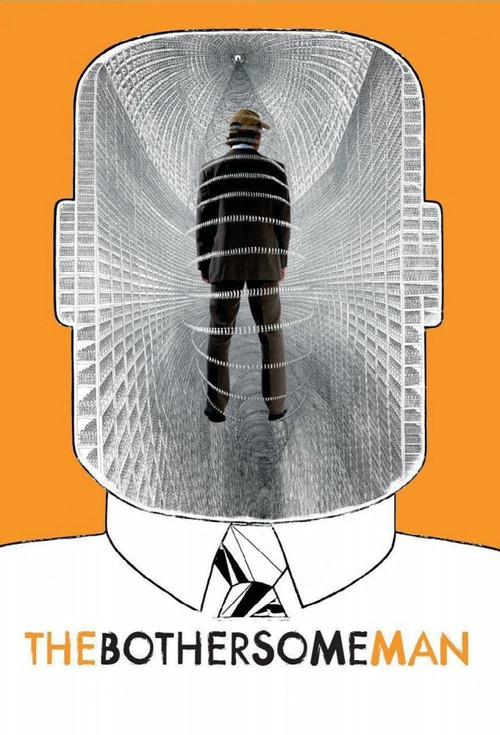
The film stands out as a cultural critique, using its surreal framework to dismantle the perceived stability of Western capitalist structures. It effectively highlights how the pursuit of social order can lead to systemic alienation. However, the film's visual and narrative choices emphasize a monochromatic, homogeneous aesthetic. This stylistic choice limits the representation of racial, ethnic, and LGBTQ+ identities, resulting in a landscape defined by existential emptiness. Ultimately, the work prioritizes a deep, progressive deconstruction of institutional norms over demographic breadth.
Category Breakdown
The film does not explore LGBTQ+ identities or relationships outside of traditional norms. The protagonist's home life is presented as a backdrop rather than a space for queer exploration.
Gender hierarchies are challenged by depicting the domestic sphere as a hollow, ritualistic performance. The film presents the ideal family unit as a sterile, soul-crushing environment.
The film features a hyper-sanitized, monochromatic visual style that lacks ethnic or racial diversity. This uniformity serves as a critique of existential emptiness rather than active multicultural engagement.
The narrative provides a sophisticated critique of Western consumerist and capitalist systems. It portrays a society where strict adherence to order and professionalism creates a profound spiritual void.
The film serves as an allegory for mental isolation and existential detachment. Although not a literal depiction, the protagonist's struggles can be seen as a metaphor for neurodivergence.
Present on Screen
Limited or Absent
Official Synopsis
Forty-year-old Andreas arrives in a strange city with no memory of how he got there. He is presented with a job, an apartment - even a wife. But before long, Andreas notices that something is wrong. Andreas makes an attempt to escape the city, but he discovers there's no way out. Andreas meets Hugo, who has found a crack in a wall in his cellar. Beautiful music streams out from the crack. Maybe it leads to "the other side"? A new plan for escape is hatched.
2011
1974
1993
2005
2015

1994

2006
2000
No reviews yet. Be the first to share your thoughts on this movie!
Use the rating form above to leave a star rating and optional review.