
The Sandman
2011
No user ratings available yet
Diversity score: 4.9 out of 10
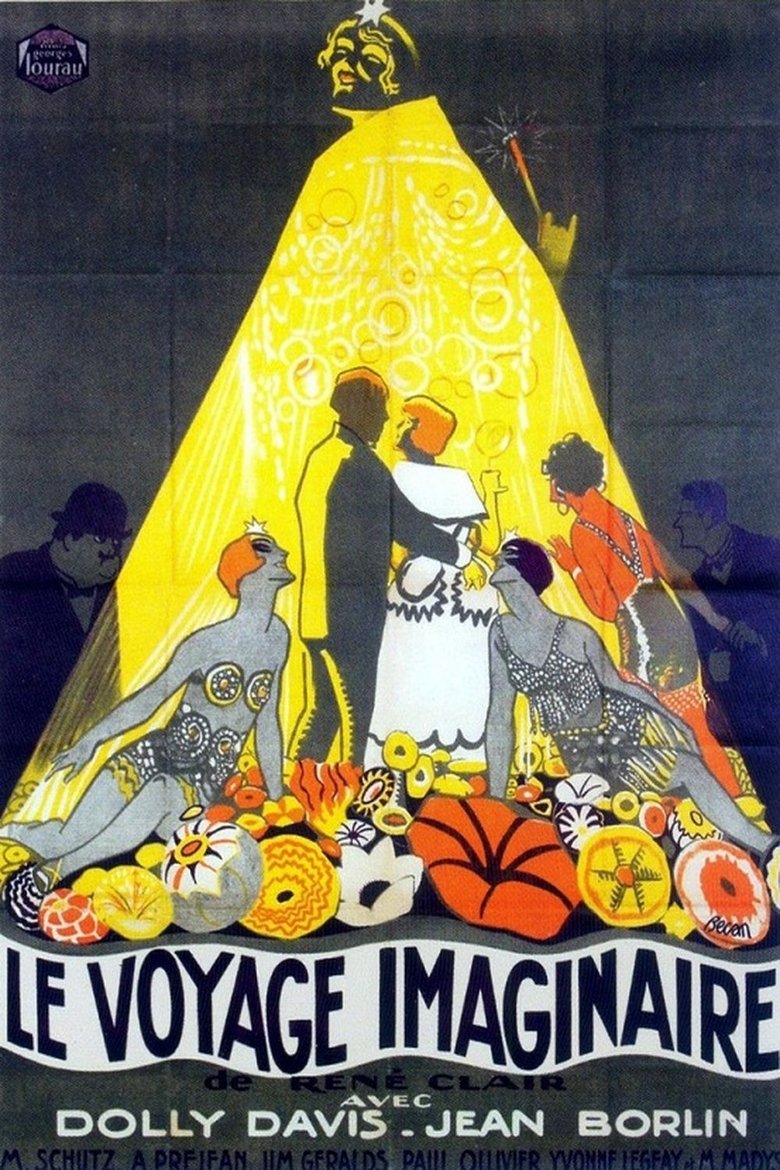
1926
Director
René Clair
Runtime
80 minutes
Average Rating
No ratings yetSynopsis
In a daydream, a shy bank clerk is led by a fairy into a subterranean world where people transform into animals and waxworks come to life. Lucie, his office crush, follows him but a bad fairy is intent on keeping them apart.
Overall Score
Fair
Category Breakdown
LGBTQ+ Representation
The story follows a conventional romantic pursuit between a bank clerk and his crush, Lucie. It lacks any documented queer narratives or non-cisnormative identities.
Gender Representation
Lucie provides a female presence that complicates the male-centric dreamscape. The film's use of metamorphosis offers a subtle deconstruction of fixed identities, including gender.
Racial & Ethnic Diversity
The cast appears largely homogeneous, reflecting the cinematic norms of the 1920s. There is no evidence of intentional racial blending or ethnic metaphors.
Religious & Cultural Diversity
Clair uses surrealism to critique rigid Western structures and capitalism. The film prioritizes subjective dream logic over the institutional morality of the waking world.
Disability Representation
Metamorphosis offers an indirect engagement with bodily difference. However, these transformations serve surrealist style rather than intentional depictions of neurodivergence or physical disability.
Strengths
Areas for Improvement
AI Analysis
René Clair’s surrealist masterpiece succeeds in disrupting traditional social hierarchies by replacing realism with dream logic. By abandoning the constraints of the waking world, the film challenges the stability of organized Western reality through its fluid, subconscious narrative architecture. However, the film remains limited by the era's social norms. It lacks explicit intersectional representation, focusing instead on a heteronormative romantic core and a largely homogeneous cast that does not actively challenge racial hierarchies. Ultimately, the film's diversity is found in its philosophical rejection of institutional stability rather than in the explicit representation of marginalized identities.
2011

1970
1923

2011
1925
1952
No reviews yet. Be the first to share your thoughts on this movie!
Use the rating form above to leave a star rating and optional review.