
The House That Swift Built
1985
No user ratings available yet
Representation score: 5.7 out of 10
Representation Score
Fair
1979
Director
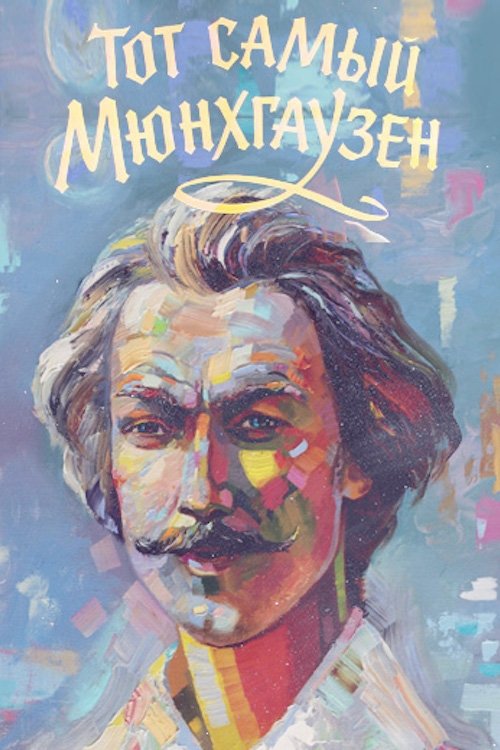
Mark Zakharov
Runtime
142 minutes
Average Rating
No ratings yetNew Showbiz Analysis
The film is a sophisticated piece of postmodern cinema that prioritizes philosophical subversion over modern identity politics. It successfully critiques institutional rigidity, using the Baron's eccentricity to challenge the dominance of objective reality. However, the historical setting and focus limit the film's exploration of diverse identities, such as LGBTQ+, racial, and disability issues.
Category Breakdown
The film does not include diverse gender identities or challenge the assumption that everyone is straight. It focuses on the Baron's romantic interests within a period-fantasy setting.
Female characters engage intellectually rather than through domestic duties, but they remain secondary to the male protagonist's journey. The story primarily revolves around his perspective.
The cast is homogeneous, reflecting a stereotypical 18th-century European society. There is no attempt to diversify the cast or use non-human species as racial metaphors.
The film effectively critiques institutional authority and celebrates personal truth. It portrays rigid social structures as unimaginative, emphasizing the individual's inner reality over societal norms.
The Baron's perceived madness serves as a metaphor for brilliance and artistic freedom. It functions as a philosophical distinction rather than a detailed exploration of neurodivergence.
Present on Screen
Limited or Absent
Official Synopsis
A philosophical and poetic portrait of the famous (or maybe infamous?) Baron Munchhausen. His crazy, yet very merriment, stories, views and behavior is what sets him apart from others. He becomes alienated from the society that failed to grasp his brilliance. In fact, his brilliance is what underlines the faults with the society itself. It's a beautiful yet tragic story that is filled with dense and intellectual dialogue.
1985
1966
1988
1966
1989
1989

2017
1950
No reviews yet. Be the first to share your thoughts on this movie!
Use the rating form above to leave a star rating and optional review.