The Bothersome Man
2006
No user ratings available yet
Representation score: 6.5 out of 10
Representation Score
Limited
1993
PG-13Director
Yuri Mamin
Runtime
112 minutes
Average Rating
No ratings yetNew Showbiz Analysis
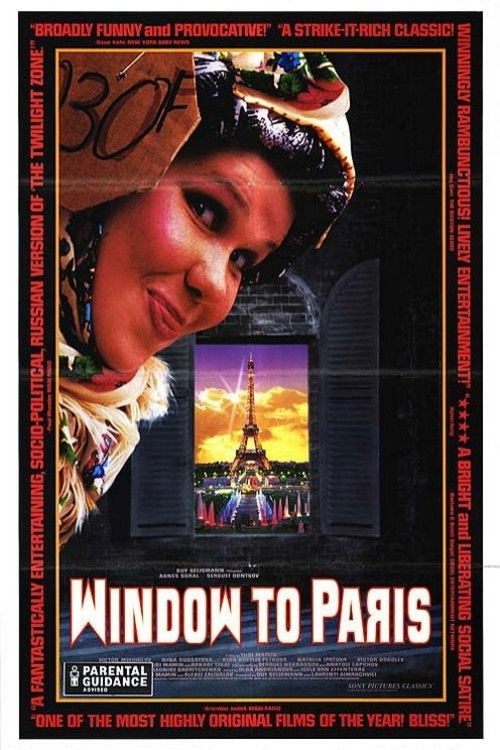
Yuri Mamin’s film is a satirical work of magical realism that prioritizes cultural critique over demographic variety. It uses a surreal lens to examine the tension between stagnant post-Soviet life and Western idealism. While the film excels in subverting traditional social orders, it lacks multi-layered diversity. The narrative is intellectually sophisticated in its portrayal of a collapsing social contract, but it remains largely homogeneous regarding gender, race, and sexual orientation.
Category Breakdown
The film focuses on the economic survival of the male protagonist and his neighbors. There is no representation of LGBTQ+ identities or narratives that address heterosexuality assumptions.
The story is mainly driven by male characters navigating a chaotic social environment. Women play minor roles and have limited influence compared to the male cast.
Set in post-Soviet Russia, the cast is predominantly made up of people from similar backgrounds. The film emphasizes internal class differences rather than using diverse casting to challenge the setting.
The film excels at critiquing traditional institutions and the stability of the family and state. It uses the 'window' metaphor to critique local reality through Western romanticism.
There are no prominent depictions of physically or neurologically diverse characters used as central narrative drivers. The plot centers on the magical realism of the window and socioeconomic struggle.
Present on Screen
Limited or Absent
Official Synopsis
Nikolai (played by Sergei Dontsov) has been fired from his job as a music teacher and has to live in the gym until he finds a place to stay. Finally, he gets a communal room in the apartment of Gorokhov (Victor Mikhalkov). The room's previous inhabitant, an old lady, has died a year ago, and yet her cat, Maxi, is still in the locked room, healthy and fat. Soon, Nikolai and his neighbours discover the mystery: there is a window to Paris in the room. That's when the comedy begins - will the Russians be able to cope with the temptation to profit from the discovery?
2006
1976

2011
1951
1967
2014

1996
1994
No reviews yet. Be the first to share your thoughts on this movie!
Use the rating form above to leave a star rating and optional review.