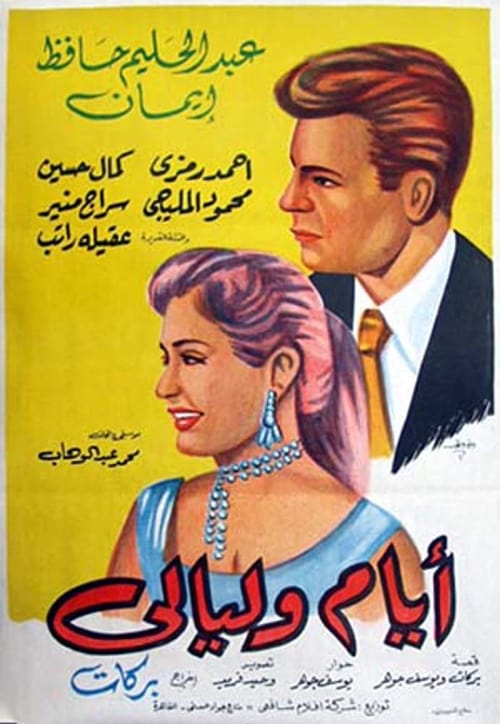
Days and Nights
1955
No user ratings available yet
Representation score: 3.3 out of 10
Representation Score
Limited
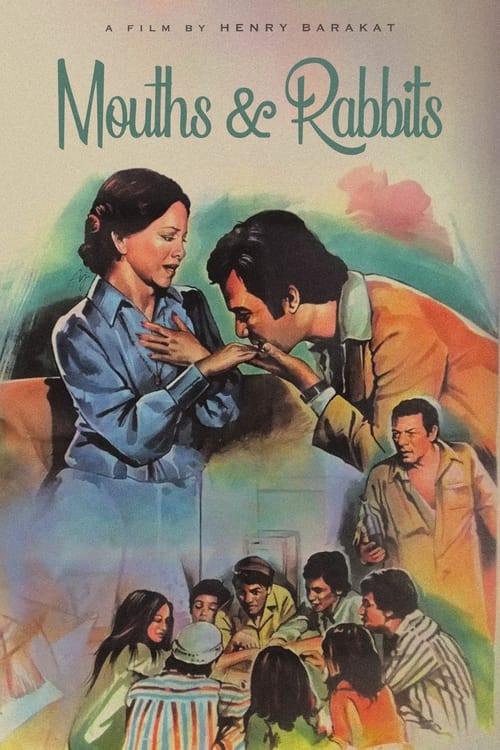
1977
Director
Henry Barakat
Runtime
120 minutes
Average Rating
No ratings yetNew Showbiz Analysis
Henry Barakat’s drama serves as a sharp social critique of 1970s Egypt, using the metaphor of rapid population growth to highlight systemic inequality. The film moves beyond simple romance to examine how socioeconomic gaps and lack of family planning pressure the working class. While the film does not engage with modern identity politics, it provides significant progressive value by deconstructing traditional domestic clichés. It successfully frames individual struggles, such as a woman's loss of marital autonomy, as symptoms of broader societal failures. Ultimately, the work functions as social realism. It uses a blend of comedy and drama to expose the friction between personal desire and the crushing weight of communal and patriarchal expectations.
Category Breakdown
The film does not include any LGBTQ+ identities or non-straight narratives.
The story centers on a female protagonist fighting against patriarchal structures. It highlights how women face forced marriages and manipulation by male relatives.
As Egyptian cinema, the film offers a non-Western perspective. It explores Middle Eastern social stratification and class dynamics.
The narrative critiques state-level social structures and class corruption. It views the family unit through a sociological lens.
There is no evidence regarding the portrayal of physical or neurodivergent disabilities in the film.
Present on Screen
Limited or Absent
Official Synopsis
A story discussing the society problem during the seventies due to not having any family planning, also covering main issue of differences between poor society and rich society. This film introduces a family with 10 kids and lots of problems they get into through a funny story between an Aunt for the kids and her struggle for getting married to the man she loved because of her bother in law who got her married with someone behind her back, using false information.
1955
1970

1975
1972

1972

1970
1986
1977
No reviews yet. Be the first to share your thoughts on this movie!
Use the rating form above to leave a star rating and optional review.