
Yellow Asphalt
2001
No user ratings available yet
Representation score: 5.7 out of 10

Representation Score
Fair
1987
Director
Michel Khleifi
Runtime
112 minutes
Average Rating
No ratings yetNew Showbiz Analysis
Michel Khleifi’s work stands as a significant example of post-colonial cinema. It excels by emphasizing ethnic ability to act and offering a sophisticated critique of how occupation affects private communal life. The film excels in its exploration of racial and cultural depth, effectively deconstructing village identity through the lens of resistance. It goes beyond simple clichés to show how political forces undermine local autonomy. However, the narrative remains anchored in traditional frameworks. It lacks engagement with LGBTQ+ or disability-related themes, focusing instead on heterosexual marriage and patriarchal social structures.
Category Breakdown
The film focuses on traditional communal rituals in a Palestinian village. There are no characters or stories that address LGBTQ+ identities or non-cisgender identities.
Women are shown as a united and independent group during ritual preparations. The narrative also examines the pressures of patriarchal expectations through the groom's struggles with masculinity.
The film offers a deep post-colonial perspective by highlighting the experiences of a Palestinian community. It challenges the Western-centric viewpoint by emphasizing the daily lives of a colonized people.
The story highlights the tension between local traditions and foreign military presence. It portrays the effort to maintain dignity and identity in the face of external pressures.
There are no prominent depictions of visible or invisible disabilities used as central plot devices or character traits.
Present on Screen
Limited or Absent
Official Synopsis
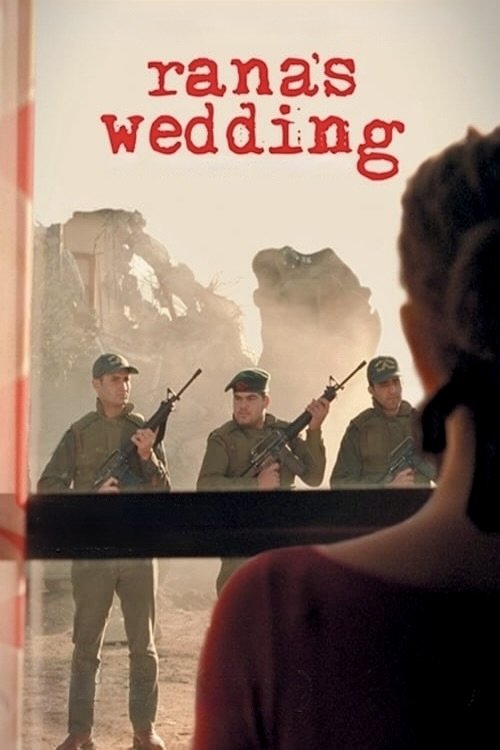
A Palestinian seeks Israeli permission to waive curfew to give his son a fine wedding. The military governor's condition is that he and his officers attend. The groom berates his father for agreeing. Women ritually prepare the bride; men prepare the groom. Guests gather. The Arab youths plot violence. One Israeli officer swoons in the heat and Arab women take her into the cool house. A thoroughbred gets loose and runs to a mined field; soldiers and Arabs must cooperate to rescue it. As darkness falls, tensions between army and villagers rise, and the groom's wedding-night anger and impotence threaten family dignity and honor. Can cool heads prevail?
2001
1982
2004
1991

2017
2002
2003

2008
No reviews yet. Be the first to share your thoughts on this movie!
Use the rating form above to leave a star rating and optional review.