Forgotten Tune for the Flute
1987
No user ratings available yet
Diversity score: 4.8 out of 10
1984
Director
Eldar Ryazanov
Runtime
142 minutes
Average Rating
No ratings yetSynopsis
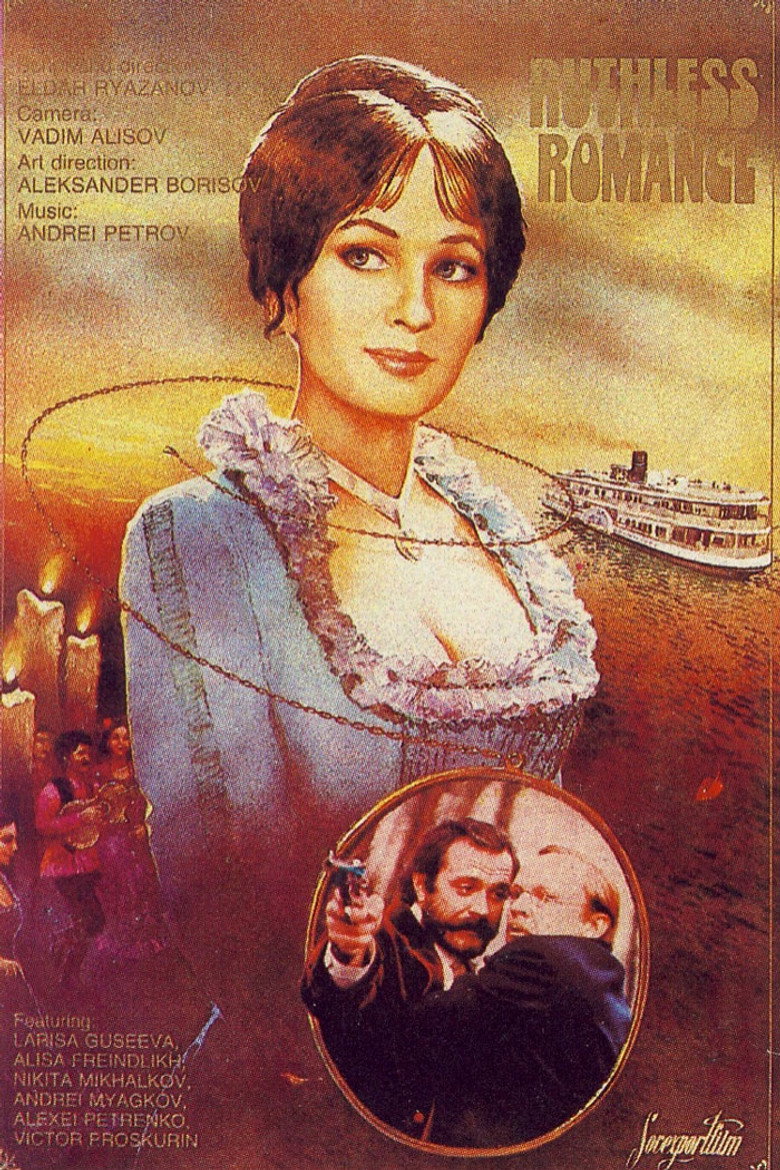
In the town of Bryakhimov, noble but poor widow Harita Ignatyevna Ogudalova seeks to arrange marriages for her three daughters. She maintains an “open house”, hoping to attract gentlemen well-off enough to marry a dowry-less girl for love.
Overall Score
Fair
Category Breakdown
LGBTQ+ Representation
The narrative focuses on traditional matrimonial structures and heterosexual courtship. There is no specific evidence of queer subtext or non-cisnormative identities present in the story.
Gender Representation
Female agency is central to the plot, as Harita Ogudalova drives the family's social and economic survival. The film positions women as active navigators of their destinies rather than passive bystanders.
Racial & Ethnic Diversity
The setting and historical context suggest an ethnically homogeneous cast. The story does not explicitly feature diverse ethnic backgrounds or subvert traditional casting norms.
Religious & Cultural Diversity
The film critiques rigid class hierarchies and the economic pressures of marriage. It offers a complex view of morality through the protagonist's pragmatic approach to social institutions.
Disability Representation
There is no information available regarding the portrayal of physical or neurodivergent disabilities within the film.
Strengths
Areas for Improvement
AI Analysis
A Cruel Romance is a period drama that finds its strength in its focus on female-led social navigation. By centering the plot on a matriarch managing her daughters' futures, the film moves beyond simple patriarchal tropes to explore how women exercise agency within restrictive economic frameworks. However, the film lacks intersectional breadth. The narrative appears confined to traditional social structures, offering little representation for LGBTQ+ identities or diverse ethnic backgrounds. This creates a narrow social lens that focuses heavily on class and gender rather than a broader spectrum of human identity. Ultimately, the film serves as a character study of class-based maneuvers. While it provides a nuanced look at gendered social expectations, its lack of racial and queer diversity limits its overall inclusive impact.
1987
2001

1990
1937
1981
1988

1966

1998

2003
1965
1982

1960
No reviews yet. Be the first to share your thoughts on this movie!
Use the rating form above to leave a star rating and optional review.