
Calon Bini
2019
No user ratings available yet
Diversity score: 4.0 out of 10
1994
PG-13Director
Mohamed Niyaz Tedry
Runtime
194 minutes
Average Rating
No ratings yetSynopsis
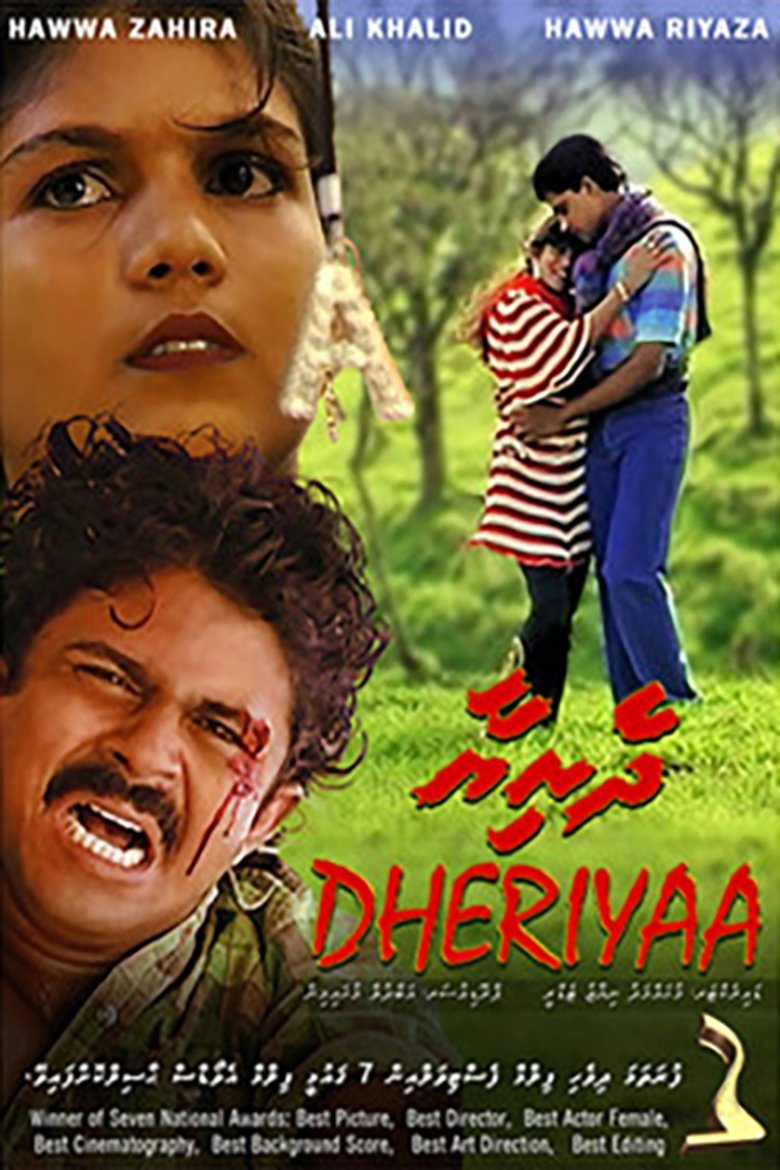
Ashraf (Ali Khalid) marries the Shaan (Hawwa Zahira), daughter of a rich businessman hoping he would inherit her fortune. When she marries him against her father's wishes she is disinherited from her father's wealth. When things doesn't go according to plan Ashraf blames it on his wife and treats her like trash. These actions are also encouraged by his mother.
Overall Score
Fair
Category Breakdown
LGBTQ+ Representation
The film lacks LGBTQ+ characters or non-heteronormative narratives. The central conflict remains rooted in traditional heterosexual marriage and patriarchal structures.
Gender Representation
The narrative critiques gender hierarchies by focusing on the female lead's suffering. It highlights the volatility of masculine leadership through the husband's abusive behavior.
Racial & Ethnic Diversity
As a Maldivian production, the film provides essential representation of local identity. It focuses on culturally specific social dynamics rather than multi-ethnic blending.
Religious & Cultural Diversity
The story deconstructs the idealized family model by portraying traditional institutions as sites of conflict. It prioritizes individual emotional reality over domestic stability.
Disability Representation
There is no evidence of characters with physical or neurodivergent disabilities. The narrative does not address disability representation.
Strengths
Areas for Improvement
AI Analysis
Dheriyaa functions as a domestic drama that subverts the traditional 'happily ever after' trope. Instead of a stable marriage, the film explores the consequences of defying patriarchal authority and the resulting marital dysfunction. The film's strength lies in its critique of systemic power. By portraying the husband and mother-in-law as antagonistic forces, the story examines the vulnerability of women caught between familial disinheritance and marital abuse. While the film lacks diversity in LGBTQ+ and disability categories, it offers a meaningful study of individual agency against restrictive social structures and traditional domestic expectations.
2019

2020
1972
1991

1996
1983
1973

2019

1996

2002

2007
1981
No reviews yet. Be the first to share your thoughts on this movie!
Use the rating form above to leave a star rating and optional review.