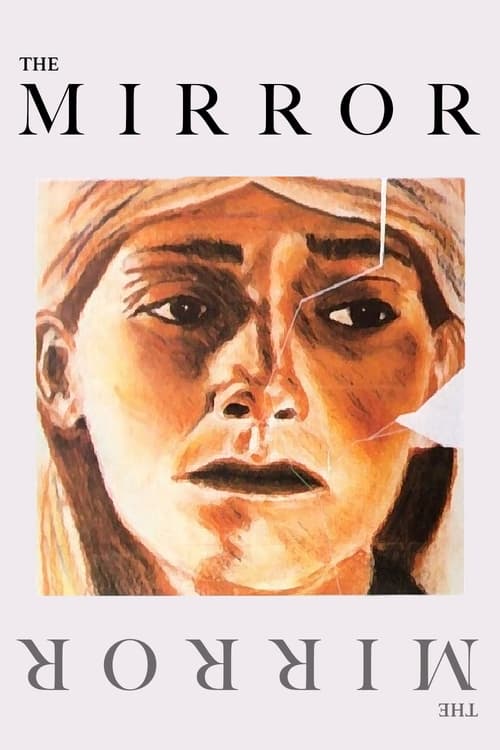
The Mirror
1984
No user ratings available yet
Representation score: 4.8 out of 10
Representation Score
Fair
1972
Director
Türkan Şoray
Runtime
94 minutes
Average Rating
No ratings yetNew Showbiz Analysis
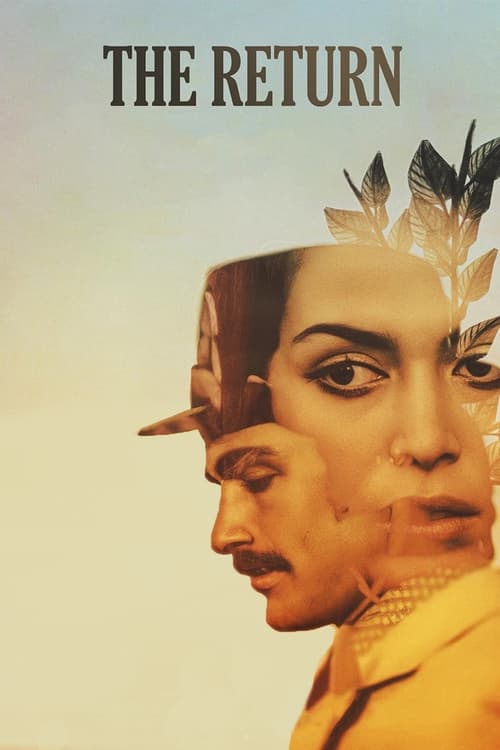
The Return is a powerful deconstruction of feudal power and patriarchal control. By centering the female experience against the systemic cruelty of the Agha, the film elevates the protagonist from a victim to a lens of resistance. This focus on ability to act provides significant progressive value despite the era's limitations. However, the film remains narrow in its scope regarding modern identity politics. It lacks representation for LGBTQ+ identities and neurodivergent characters, focusing instead on a homogeneous rural demographic. The narrative is deeply rooted in the specific socioeconomic realities of its Turkish setting. Ultimately, the film's strength lies in its critique of class and gender hierarchies. It trades broad multi-layered diversity for a deep, authentic exploration of how traditional authority erodes individual freedom.
Category Breakdown
The film does not include any explicit LGBTQ+ characters or narratives. It focuses solely on heterosexual marital bonds and the societal pressures surrounding them.
The female lead plays a significant role in driving the story, navigating patriarchal oppression and isolation. She subverts traditional submissive archetypes through her resilience.
The setting is a culturally homogeneous Turkish rural environment. It prioritizes authentic socioeconomic representation over racial diversity or color-blind casting.
The film critiques feudal social structures and rigid village morality. It portrays communal traditions as oppressive forces that conflict with individual lived realities.
There is no discernible focus on physical or neurodivergent disabilities within the narrative.
Present on Screen
Limited or Absent
Official Synopsis
Gülcan and her husband İbrahim dream of a happy future together in their village. However, they are subjected to the cruelty of the Agha, the local landowner who lords over the entire village. İbrahim is fed up and moves to Germany to find work. On the other hand, Gülcan has to deal with Agha's evils alone.
1984
1982
1968
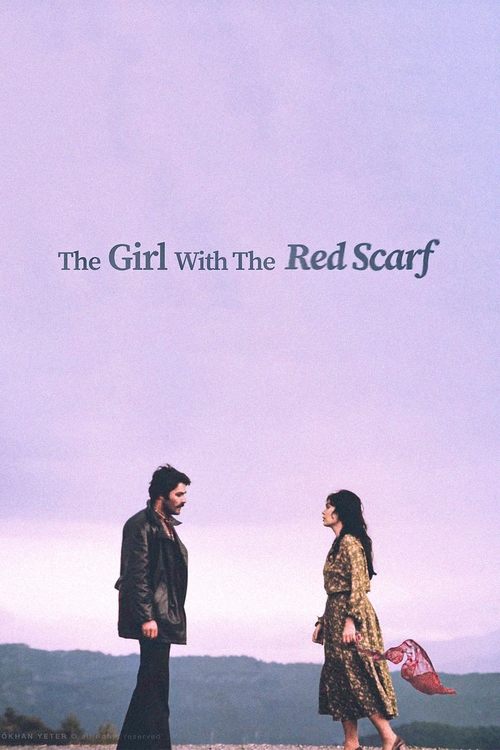
1977

1970

1972
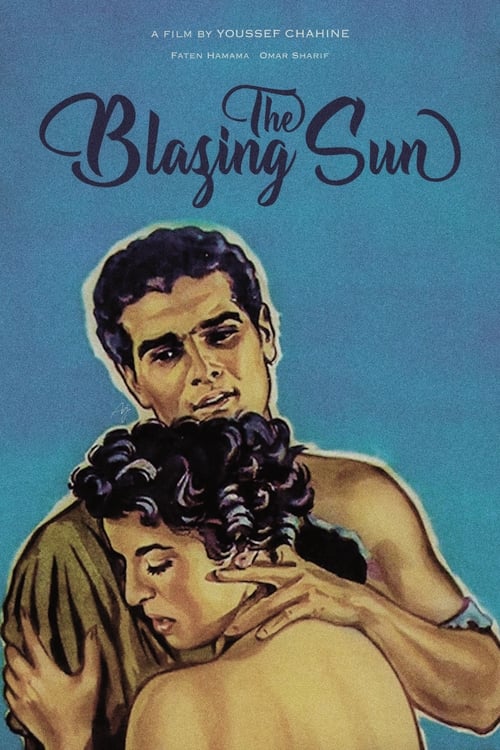
1954
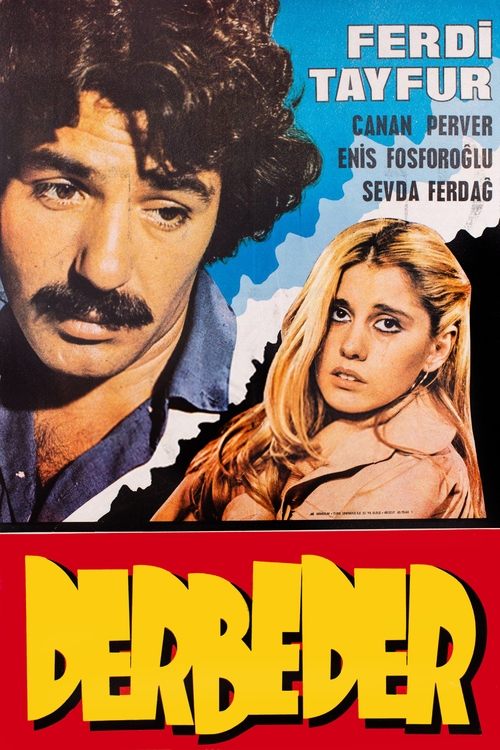
1978
No reviews yet. Be the first to share your thoughts on this movie!
Use the rating form above to leave a star rating and optional review.