
Two Women
1960
No user ratings available yet
Representation score: 6.3 out of 10
Representation Score
Fair
2000
Director
Andrea Frazzi, Antonio Frazzi
Runtime
102 minutes
Average Rating
No ratings yetNew Showbiz Analysis
The film serves as a nuanced historical drama that challenges traditional social structures. It uses the tension between religious traditions and secular humanism to fuel its central conflict. By placing a Jewish protagonist in a prominent family role during a period of systemic persecution, the film breaks away from the typical religiously uniform narratives found in war films. Penny's significant influence provides a moral guide amid the chaos of war. However, the film's scope is limited by a lack of LGBTQ+ representation and any engagement with disability, maintaining a focus on religious and familial dynamics.
Category Breakdown
The film does not include explicit LGBTQ+ characters or explore non-straight relationships. Instead, it focuses on family and religious tensions set against a wartime backdrop.
Penny, the young female protagonist, exhibits strong emotional and moral influence. She challenges passive child stereotypes but also embodies traditional caretaking roles within the household.
The story highlights inter-ethnic and inter-religious interactions. By focusing on a Jewish protagonist within a Catholic family, it explores identity and persecution during a time of widespread oppression.
The film questions religious dogma by contrasting Catholic fears with a progressive, secular outlook. It emphasizes humanistic values and personal morality over institutional rules.
There is no mention of characters with visible or invisible disabilities in the narrative.
Present on Screen
Limited or Absent
Official Synopsis
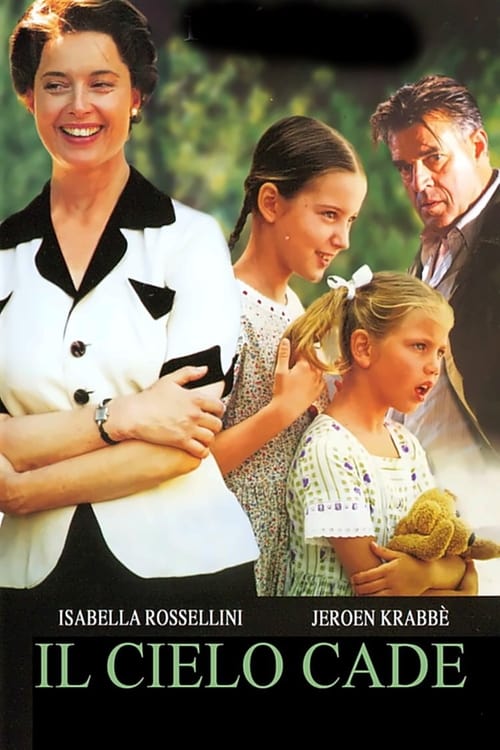
1943, an estate north of Firenze. The weight of the world is on the shoulders of Penny, who's about 10. An orphan, she must watch over her little sister when they go to live with her aunt and uncle. Penny's a Catholic, and worries about her uncle's soul. He's Jewish, progressive and a free thinker, a fair boss, and devoted to his family. He can be stern, so Penny also worries that she'll never please him and that he won't love her. Then, after the Allied forces land in Sicily and the Germans begin their retreat, Penny must worry about her uncle's life. She tries logic and appeals to human decency. Can a child keep the sky from falling?
1960
1952

2023
1999

1970
1993
2011
2004
No reviews yet. Be the first to share your thoughts on this movie!
Use the rating form above to leave a star rating and optional review.