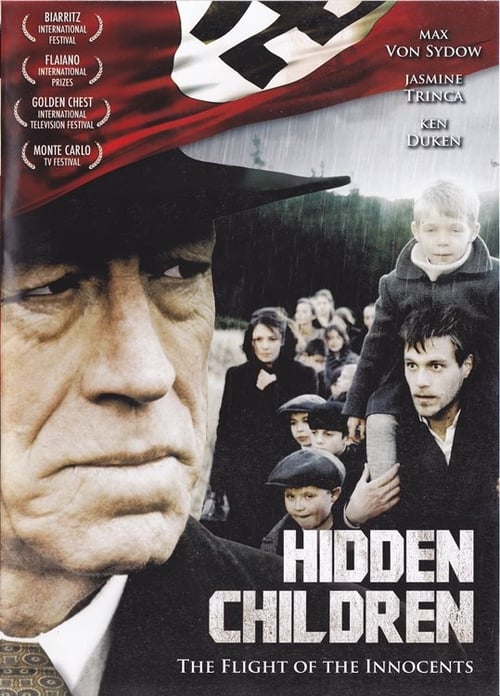
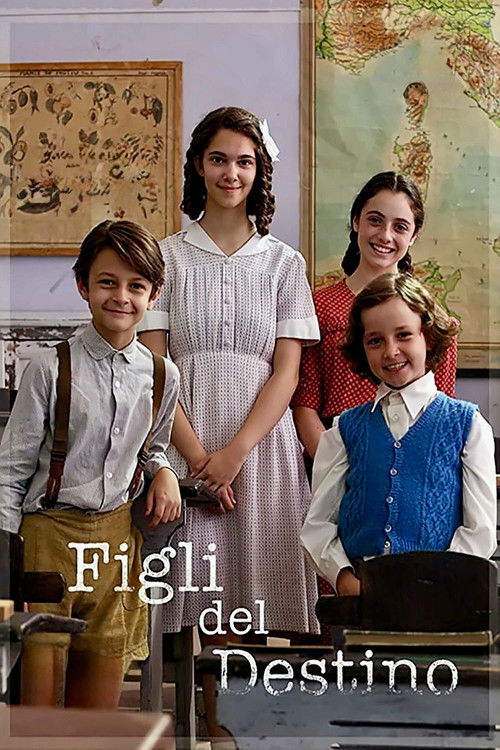
Hidden Children
2004
No user ratings available yet
Representation score: 6.0 out of 10

Representation Score
Good
2023
Director
Claudio Bisio
Runtime
106 minutes
Average Rating
No ratings yetNew Showbiz Analysis
The film uses a historical setting to critique the systemic oppression of the 1940s. By centering a diverse group of children, it challenges conventional wartime narratives and highlights the influence of underrepresented individuals. The film’s strength lies in its portrayal of friendship that bridges religious and cultural divides. The bond between a Jewish boy, an orphan, and the son of a Fascist official serves as a powerful metaphor for overcoming social and religious barriers. However, the film lacks representation for LGBTQ+ identities and characters with disabilities. While the focus on childhood ability to act is progressive, these gaps limit the film's inclusivity.
Category Breakdown
The film does not include explicit LGBTQ+ identities or non-traditional gender expressions. It maintains a neutral stance without using negative stereotypes.
Children play a key role in challenging traditional male leadership. Vanda offers an independent female viewpoint outside of traditional family structures.
The story disrupts uniformity by focusing on Riccardo, a Jewish boy. The friendship between children from different social and ethnic backgrounds critiques broader racial persecution.
The film criticizes nationalist institutions by showing Fascist and German forces as destructive. It emphasizes human connections over state-imposed ideology and patriotism.
There are no characters with visible or invisible disabilities mentioned in the story.
Present on Screen
Limited or Absent
Official Synopsis
Rome, summer 1943. Four children play war while the bombs of real war explode around them. Italo is the rich son of the Federal, Cosimo has his father in confinement and an atavistic hunger, Vanda is an orphan and a believer, Riccardo comes from a wealthy Jewish family. They are different but they don't know it and between them "the greatest friendship in the world" is born, impervious to the divisions of history that bloodies Europe. But on October 16 the Jewish boy is taken away by the Germans together with over a thousand people from the Ghetto. Thanks to Italo's father Federale, the three friends believe they know where he is and, to honor the "spit pact", decide to leave in secret to convince the Germans to free their friend. Yet another imaginative mission becomes reality, the three children travel alone in an Italy exhausted by war, among disbanded soldiers, deserters, occupying German troops, exhausted and hungry populations.
2004

1960

2023
1952
2000
1999
2019
2007
No reviews yet. Be the first to share your thoughts on this movie!
Use the rating form above to leave a star rating and optional review.