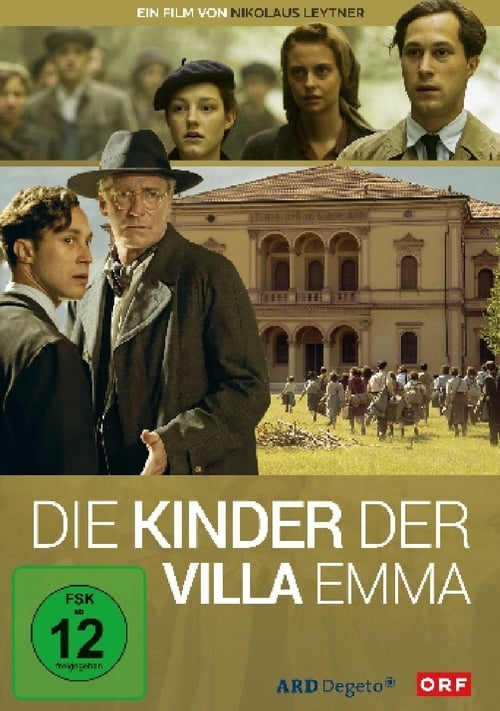
The Children of Villa Emma
2016
No user ratings available yet
Representation score: 6.4 out of 10
Representation Score
Fair
2004
Director
Leone Pompucci
Runtime
116 minutes
Average Rating
No ratings yetNew Showbiz Analysis
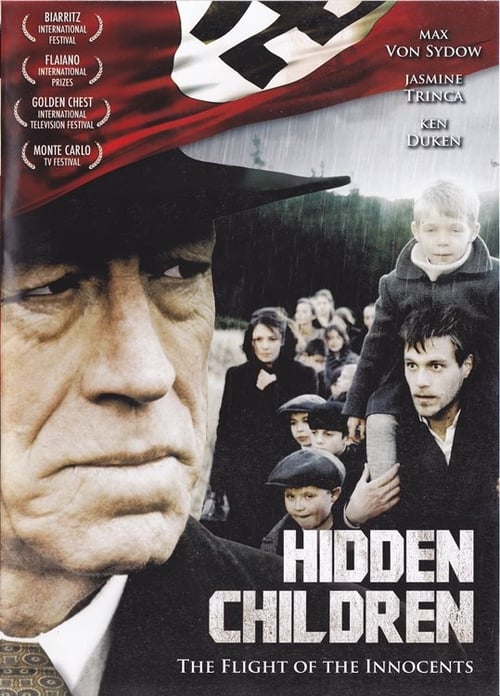
Hidden Children is a historical drama that successfully disrupts Western-centric lenses by centering the diverse experiences of displaced Jewish refugees. The film's strength lies in its commitment to portraying a non-homogeneous, ethnically diverse group of protagonists navigating the complexities of European occupation. However, the narrative's focus on adult facilitators skews the distribution of ability to act. Additionally, the film lacks explicit representation of LGBTQ+ identities or specific portrayals of disability. Ultimately, the film serves as a significant piece of storytelling that prioritizes the lived experiences of a underrepresented group during a period of extreme systemic oppression.
Category Breakdown
The film focuses on the survival of Jewish orphans during the Holocaust. It does not include any explicit depictions of LGBTQ+ identities or same-sex intimacy.
The story includes a diverse range of gendered experiences through its group of orphans. However, the primary roles and control are largely given to the male chaperones and facilitators.
The film features a non-white, non-Anglo-Saxon majority cast of Jewish children. It provides a multifaceted view of ethnic identity by including refugees from Slovenia, France, and the Balkans.
The narrative centers on Jewish religious identity and the Zionist movement. It highlights the ability to act of a underrepresented group seeking refuge from systemic persecution and political oppression.
While the film addresses the profound trauma of war, there is no specific evidence regarding the portrayal of physical or neurodivergent disabilities.
Present on Screen
Limited or Absent
Official Synopsis
This is a true story about forty Jewish children on their way to Palestine, who were blocked by the German and Italian occupation of Yugoslavia in 1941. Before finding a haven at Villa Emma in Nonantola in northern Italy, where they arrived on June 17, 1942, the children spent several adventurous months in Slovenia, caught up in the ongoing fight between the partisans and the Italian army. In April 1943, another 33 children, some from the Balkans, others from France, joined the original group. All were orphans who had lost their parents in concentration camps and had subsequently been smuggled out of Germany by Recha Freier, a well-known Zionist. The group ranged in age from six to twenty one and settled in at Villa Emma with their chaperones and teachers, Josef Indig, Marco Schoky and the pianist Boris Jochverdson.
2016
2019
2019

2014
2007
2020
2010
1959
No reviews yet. Be the first to share your thoughts on this movie!
Use the rating form above to leave a star rating and optional review.