
Hope and Glory
1987
No user ratings available yet
Representation score: 5.4 out of 10
Representation Score
Limited
1999
PGDirector
Franco Zeffirelli
Runtime
117 minutes
Average Rating
No ratings yetNew Showbiz Analysis
Tea with Mussolini is a character-driven film that challenges traditional gender roles. By focusing on the intellectual and emotional leadership of women, it questions the patriarchal norms of its time. However, the film's homogeneous cast limits its racial and ethnic diversity, reflecting the historical context of British expatriates and Italian aristocracy. Ultimately, the film's strength lies in its exploration of moral complexities during political upheaval, using a narrow social lens to highlight institutional complicity.
Category Breakdown
The film doesn't include any explicit LGBTQ+ characters or non-straight relationships. The social dynamics focus on traditional mentoring and courtship rather than queer themes.
Women play a central role in driving the plot through their intellectual and emotional actions. Men are often shown as less involved or secondary to the female characters' resilience.
The cast is predominantly white and European, reflecting the historical context of British expatriates and Italian nobility. There is a lack of diverse racial representation.
The film critically examines the moral compromises and shifting loyalties in a corrupt political environment. It highlights the interplay between high-society capitalism and the rise of Fascism.
There are no significant portrayals of physical or neurological disabilities that shape the narrative or central characters.
Present on Screen
Limited or Absent
Official Synopsis
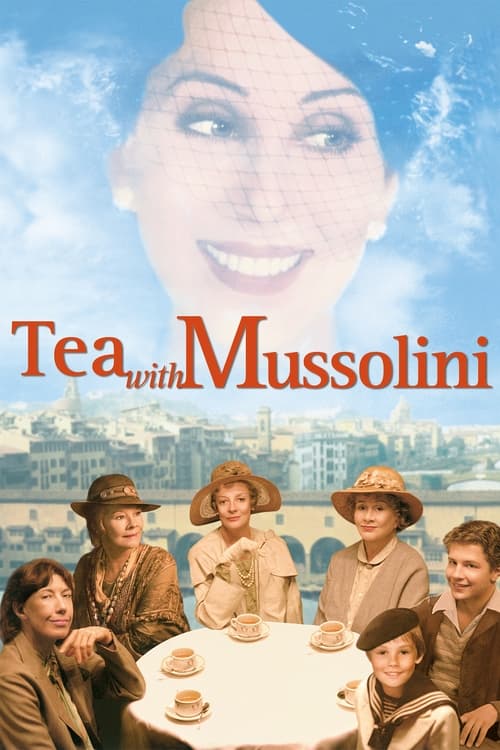
In 1930s fascist Italy, adolescent Luca just lost his mother. His father, a callous businessman, sends him to be taken care of by British expatriate Mary Wallace. Mary and her cultured friends - including artist Arabella, young widow Elsa, and archaeologist Georgie - keep a watchful eye over the boy. But the women's cultivated lives take a dramatic turn when Allied forces declare war on Mussolini.
1987

1960
2019
1943
1970

1970
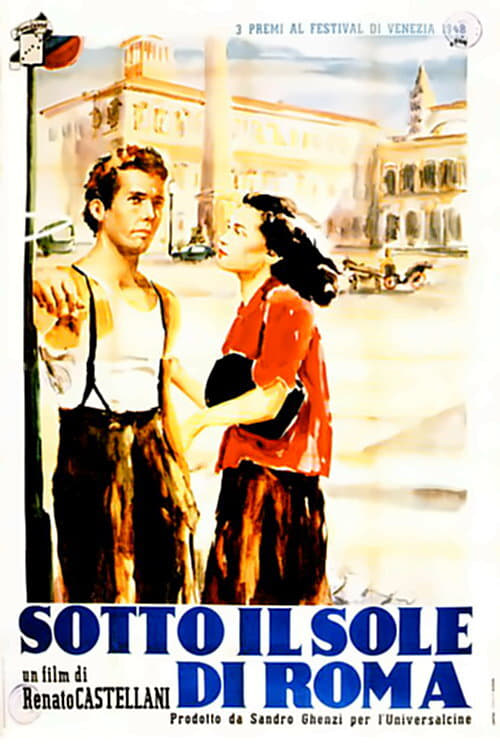
1948
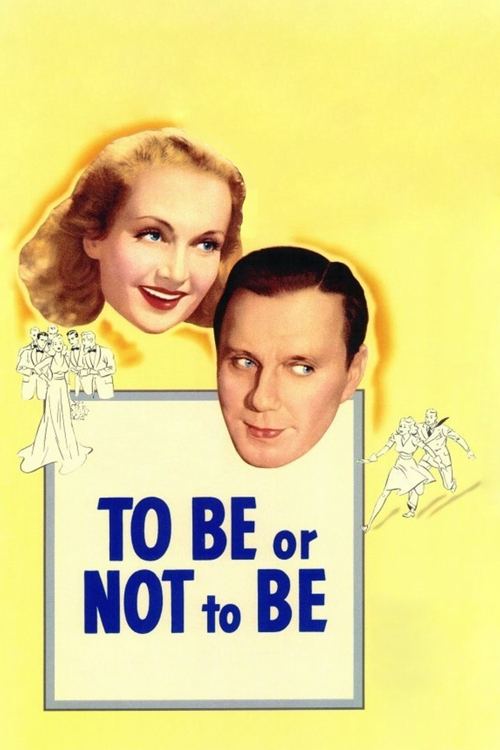
1942
No reviews yet. Be the first to share your thoughts on this movie!
Use the rating form above to leave a star rating and optional review.