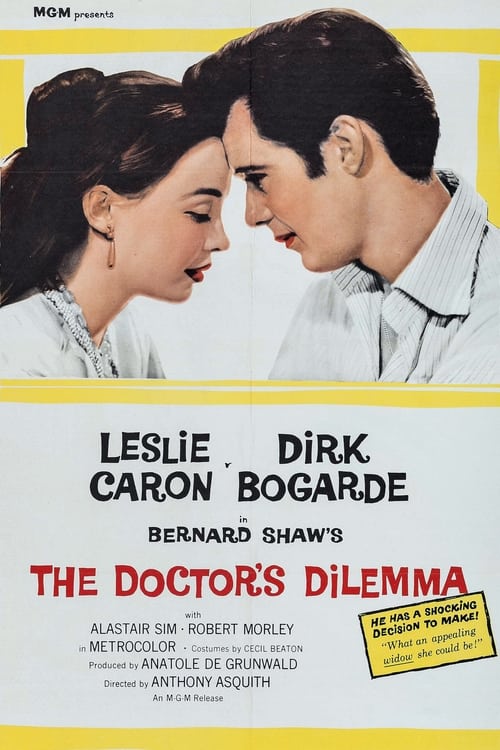
The Doctor's Dilemma
1959
No user ratings available yet
Diversity score: 3.4 out of 10
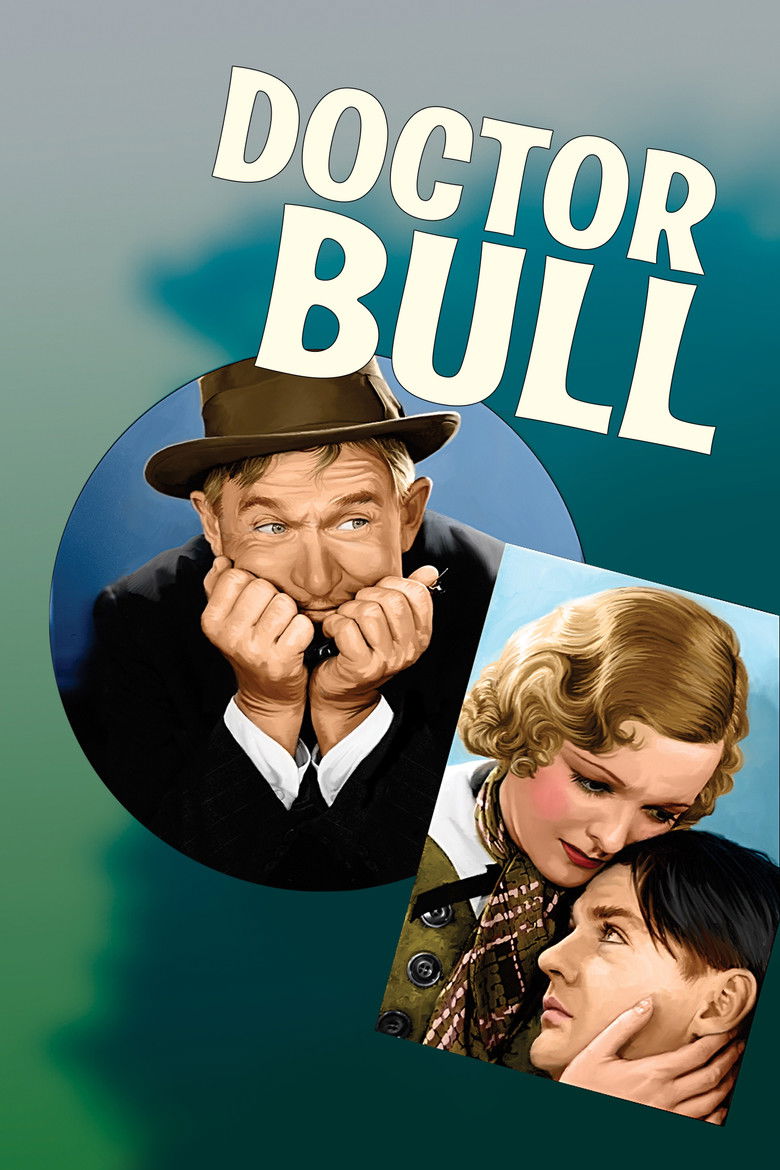
1933
NRDirector
John Ford
Runtime
79 minutes
Average Rating
No ratings yetSynopsis
In this engaging adaptation of James Gould Cozzen's novel The Last Adam, film icon Will Rogers portrays Dr. George Bull, a compassionate, highly regarded small-town physician who often prescribes a healthy dose of common sense! But when Bull begins dating a widow (Vera Allen), the local gossips misconstrue the story. To make matters worse, Bull's plainspoken manner earns him an enemy in the wealthy owner of a nearby construction camp. But once it's learned that the camp has caused illness by polluting the local water supply, the good doctor steps in to try to restore the town's health - and his reputation!
Overall Score
Limited
Category Breakdown
LGBTQ+ Representation
The film adheres to the heteronormative social structures of the 1930s. There is no evidence of non-cisnormative identities or same-sex intimacy, focusing instead on traditional courtship.
Gender Representation
Agency and intellectual authority are centered on the male protagonist. While the female lead has narrative presence, the film reinforces the male professional as the community's stabilizing force.
Racial & Ethnic Diversity
The film presents a largely homogeneous social environment. The cast lacks significant racial or ethnic breadth, reflecting the Anglo-centric cinematic norms of the era.
Religious & Cultural Diversity
The story critiques unregulated industrialism through a conflict between individual morality and corporate interests. It explores class-based power dynamics within a conventional moral framework.
Disability Representation
Illness serves as a plot catalyst rather than a means to represent physical or neurodivergent diversity. Characters with disabilities are not utilized as central agents.
Strengths
Areas for Improvement
AI Analysis
Doctor Bull is a quintessential product of its historical era, functioning as a traditional character study. It prioritizes the integrity of the individual against social pressures and corporate interests, but does so through a very narrow lens. The film reinforces mid-century social hierarchies, particularly regarding gender and race. While it offers a minor critique of class-based power, it lacks the intersectional complexity or intentional disruption of norms found in more progressive works. Ultimately, the narrative serves to uphold established social institutions and conventional moral structures rather than challenge them.
1959
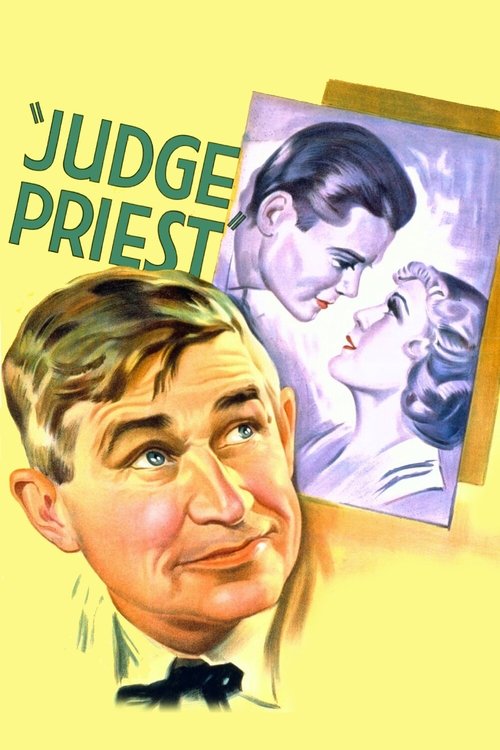
1934
1920

1944
1934
1933
1928
1941
1935
1944
1930
1941
No reviews yet. Be the first to share your thoughts on this movie!
Use the rating form above to leave a star rating and optional review.