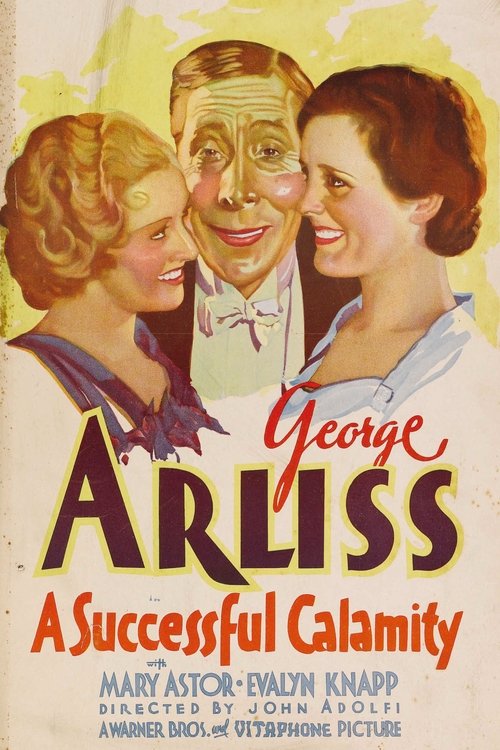
A Successful Calamity
1932
No user ratings available yet
Representation score: 0.4 out of 10
Representation Score
Minimal
1933
PassedDirector
John G. Adolfi
Runtime
78 minutes
Average Rating
No ratings yetNew Showbiz Analysis
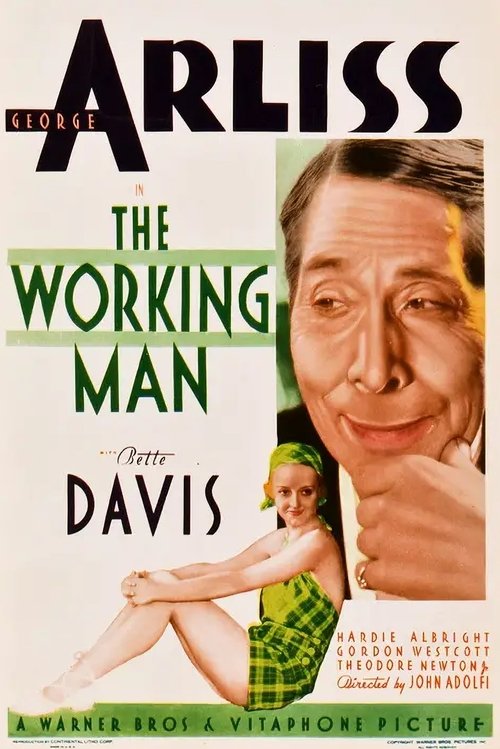
The Working Man is a conventional 1930s production that reinforces established social and economic hierarchies. The plot focuses on business succession and the preservation of a family legacy, aligning with the era's standard values of industriousness and capitalist stability. Representation is limited by the period's norms. The film centers on a male protagonist in a male-dominated business environment, lacking significant gender subversion. It also appears to follow the homogeneous casting practices common to early 20th-century studio filmmaking. Ultimately, the film lacks multi-layered complexity. It functions as a traditional period piece that prioritizes the virtues of professional competence and institutional stability over the disruption of systemic norms.
Category Breakdown
The film adheres to a traditional structure that assumes everyone is straight and cisgender. There is no depiction of LGBTQ+ identities or same-sex relationships.
The story revolves around a male protagonist who holds leadership and professional roles. The business conflicts highlight a traditional framework where male figures dominate the professional landscape.
The film likely reflects the era's standard casting practices. It appears to adhere to the homogeneous, Anglo-Saxon demographic norms typical of 1930s American cinema.
The story upholds Western values regarding capitalism and industriousness. It rewards discipline and the stability of established economic institutions rather than critiquing them.
The narrative does not include any characters with visible or invisible disabilities.
Present on Screen
Limited or Absent
Official Synopsis
A successful shoe manufacturer named John Reeves goes on vacation and meets the grown children of his recently deceased and much-respected competitor; they're on the verge of losing the family legacy through their careless behavior. Reeves takes it upon himself to save his rival's company by teaching the heirs a lesson in business.
1932

1934

1941
1933

1933

1937

1934

1933
No reviews yet. Be the first to share your thoughts on this movie!
Use the rating form above to leave a star rating and optional review.