
Bruce Lee The Invincible
1978
No user ratings available yet
Representation score: 1.4 out of 10
Representation Score
Fair
1980
Director
Tony Lou Chun-Ku
Runtime
91 minutes
Average Rating
No ratings yetNew Showbiz Analysis
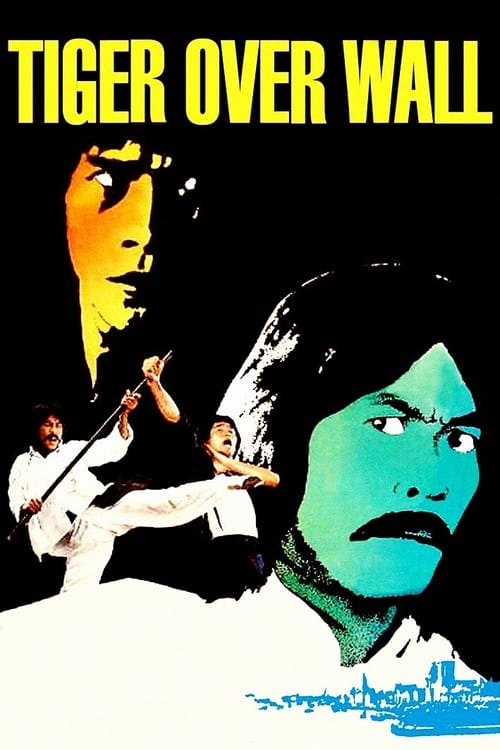
Tiger Over Wall is a period martial arts film that excels in ethnic specificity. By centering the narrative on a Chinese family in Shanghai, it provides a strong sense of cultural autonomy and moves away from Western-centric perspectives. However, the film is limited by the genre conventions of its era. It leans heavily on patriarchal structures and traditional masculine stereotypes, with a primary focus on male combatants and leaders. While the film offers a compelling critique of corrupt authority, it lacks diversity in other social dimensions. There is no visible representation of LGBTQ+ identities or meaningful explorations of disability.
Category Breakdown
The film does not include any representation of LGBTQ+ identities or same-sex relationships. It focuses solely on traditional heterosexual relationships and family dynamics.
The story heavily relies on patriarchal structures and masculine stereotypes. Despite featuring a family unit fighting back, the narrative primarily centers on male characters in combat and leadership roles.
The film provides strong ethnic representation by focusing on a Chinese family in 1919 Shanghai. It avoids Western-centric storytelling by emphasizing local struggles and cultural autonomy.
The story critiques systemic injustice and corrupt institutional power. It uses traditional martial arts clichés to explore themes of morality and retribution against authority figures.
There is no clear depiction of physical or neurodivergent disabilities. A character experiences madness, but the depth of this representation is uncertain.
Present on Screen
Limited or Absent
Official Synopsis
Based on actual events that took place in Shanghai 1919, Hwang Jang Lee portrays a ruthless Police Captain, who will stop at nothing in his quest for power even framing an innocent man and sending him mad. The Man's family can not tolerate the injustice and fight back with some of the meanest Kung Fu techniques ever witnessed, without doubt one of the best films from the two kings of Kung Fu: Hwang Jang Lee & Phillip Ko.
1978
1976
1977
1982
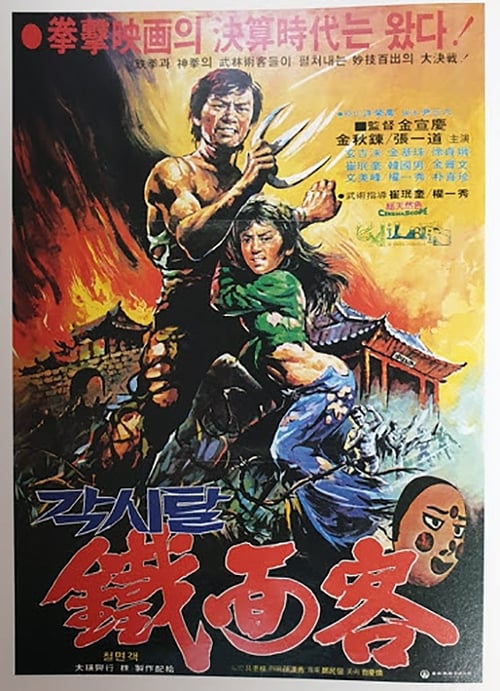
1980

1981
1994
1991
No reviews yet. Be the first to share your thoughts on this movie!
Use the rating form above to leave a star rating and optional review.