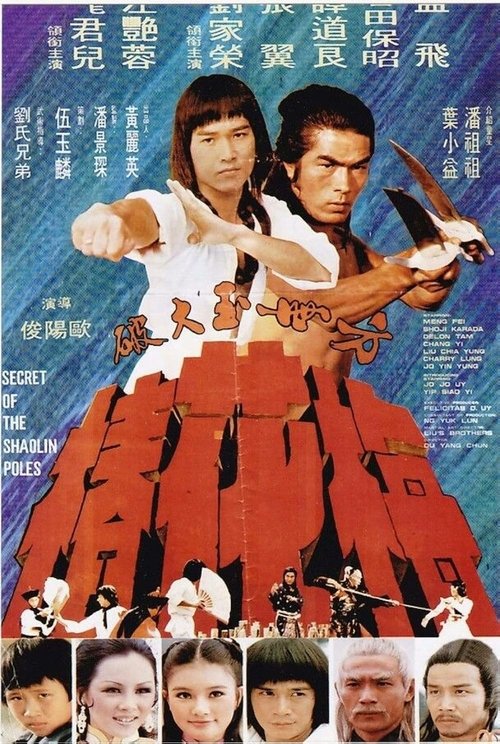
Secret of the Shaolin Poles
1977
No user ratings available yet
Representation score: 5.5 out of 10
Representation Score
Limited
1991
Director
Robert Tai
Runtime
93 minutes
Average Rating
No ratings yetNew Showbiz Analysis
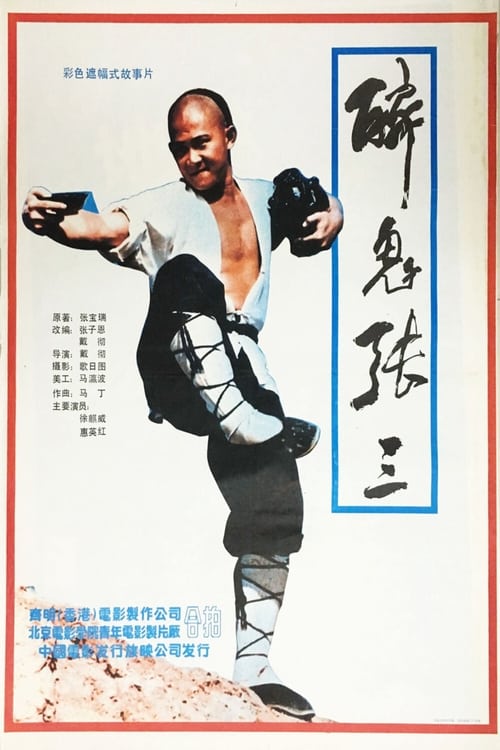
Legend of the Drunken Tiger is a culturally authentic martial arts film that excels in ethnic specificity. By focusing on the political struggles of 1898 China, it avoids Western-centric clichés common in international co-productions. However, the film remains deeply rooted in traditional genre conventions. It does not seek to challenge social hierarchies, particularly regarding gender roles or LGBTQ+ identities, which remain strictly conventional. Ultimately, the work prioritizes kinetic storytelling and historical authenticity over the exploration of diverse identities or modern social deconstruction.
Category Breakdown
The film follows traditional romantic pairings, specifically the betrothal between Cheong San and Lela Wong. It lacks narratives that challenge assumptions about straight relationships.
Combat leadership and ability to act are centered on male protagonists Cheong San and Master Wang. While Lela Wong is a key participant, the film adheres to traditional gender hierarchies.
The setting and cast are predominantly Chinese, providing a culturally specific experience. It avoids Western-centric casting by focusing on internal Chinese political struggles.
The story explores resistance against the Ching Dynasty through the lens of martial arts honor. It prioritizes traditional concepts of justice over modern ideological frameworks.
There are no prominent depictions of visible or invisible disabilities. The protagonist's drunken combat style is a methodology rather than a depiction of chronic illness.
Present on Screen
Limited or Absent
Official Synopsis
It's the year 1898 and government reformists are aggressively sought out and publicly executed by the Ching Dynasty officials. Master Wang, a leader of the reformist party, enlists the help of skilled fighters for reinforcements, including Cheong San, a longtime enemy of the treacherous Lord Wing. With the help of Lela Wong, Cheong San's betrothed, Cheong San and Master Wnag battle their nemesis to further their cause. What Cheong San's enemies believe to be his weak point they soon discover to be his source of power. He is most lethal when intoxicated, lending him the name of Drunken San. This is another must-see for classic kung fu combat fans.
1977
1976

1993
1967
1978
1993
1976
1980
No reviews yet. Be the first to share your thoughts on this movie!
Use the rating form above to leave a star rating and optional review.