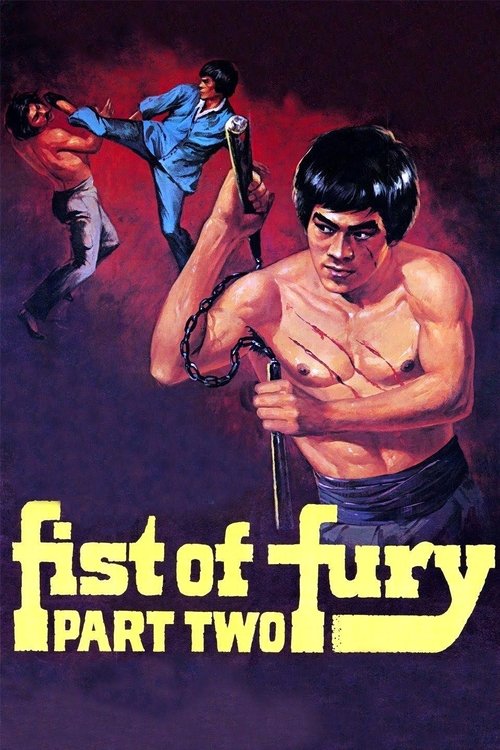
Fist of Fury 2
1977
No user ratings available yet
Representation score: 3.0 out of 10
Representation Score
Limited
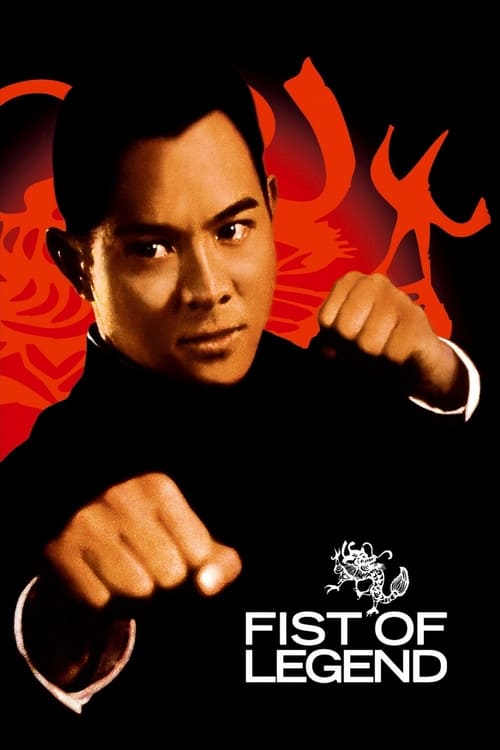
1994
RDirector
Gordon Chan
Runtime
103 minutes
Average Rating
No ratings yetNew Showbiz Analysis
Fist of Legend is a powerful counter-narrative to Western-centric cinema, utilizing martial arts to explore themes of cultural preservation and anti-colonialism. The film excels by framing the struggle against foreign imperialism as a central moral imperative, empowering the protagonist through ethnic resistance. However, the film remains tethered to conservative genre clichés. The lack of LGBTQ+ visibility and the reliance on traditional gender roles limit its progressive reach in social representation. While culturally profound, the narrative ability to act is heavily skewed toward a masculine, heterosexual perspective.
Category Breakdown
The film centers on traditional heterosexual and cisgender structures. It focuses on masculine bonds of mentorship and martial brotherhood without any presence of LGBTQ+ identities.
Gender roles follow traditional martial arts genre clichés. Female characters occupy supportive or romantic roles, while narrative ability to act remains concentrated in male characters.
The story serves as a significant exercise in post-colonial storytelling. It centers a Chinese cast to disrupt the Western-centric gaze through themes of sovereignty.
The narrative is deeply rooted in anti-imperialist frameworks. It portrays Western colonial influence as a disruptive force against traditional societal structures and local customs.
There are no prominent depictions of visible or invisible disabilities. No characters utilize disability as a significant trait or narrative driver.
Present on Screen
Limited or Absent
Official Synopsis
Chen returns to his school when he finds out that his martial arts teacher has died. When he learns that his school students are harassed by some hooligans, he gears himself up to save them.
1977
1967

2019

1982

2010
1976
1972
1974
No reviews yet. Be the first to share your thoughts on this movie!
Use the rating form above to leave a star rating and optional review.