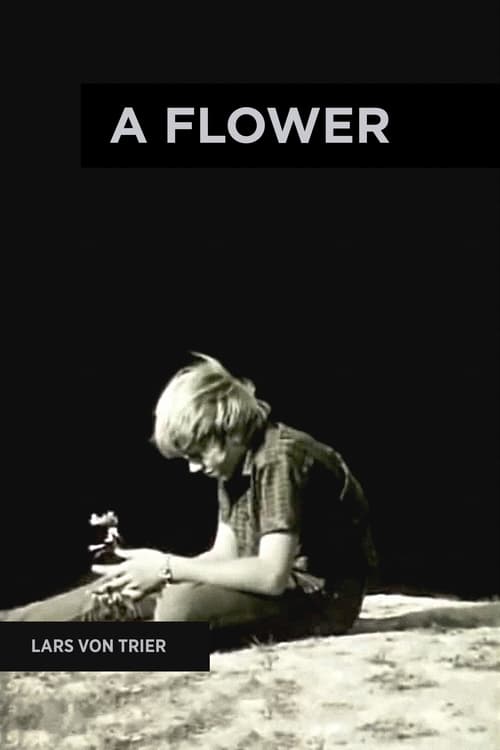
A Flower
1971
No user ratings available yet
Diversity score: 2.0 out of 10

1980
Director
Lars von Trier
Runtime
8 minutes
Average Rating
No ratings yetSynopsis
It's night. Perhaps after a dream of an intruder crashing through a window, a woman who's sensitive to light has a telephone conversation with a friend. The woman has a plane ticket from Copenhagen to Buenos Aires at 6 that morning. She doesn't want to go. Her friend encourages her to make the trip. Later, she stands in a car park with her suitcase. Flying geese fill the screen.
Overall Score
Fair
Category Breakdown
LGBTQ+ Representation
The film lacks explicit depictions of LGBTQ+ identities or non-heteronormative relationships. While the atmosphere allows for queer readings of isolation, the narrative remains focused on a solitary female protagonist.
Gender Representation
The story centers on a female protagonist navigating existential dread and internal conflict. It shifts the cinematic gaze toward an internalized, feminine psychological landscape rather than traditional masculine-driven plots.
Racial & Ethnic Diversity
The setting moves between Copenhagen and Buenos Aires, but the cast's racial composition is unspecified. There is no verifiable evidence of diverse or non-Anglo-Saxon casting within the provided context.
Religious & Cultural Diversity
The film explores subjective morality and existentialism through a fragmented, dream-like lens. This approach departs from linear Western progress narratives in favor of individual psychological states.
Disability Representation
A character's sensitivity to light suggests a potential portrayal of sensory disability or neurodivergence. The depth of this representation depends on how this trait influences her agency and world interaction.
Strengths
Areas for Improvement
AI Analysis
Nocturne is a character study that prioritizes psychological fragmentation over demographic breadth. It succeeds in centering a female perspective, using internal struggle and sensory sensitivity to drive the narrative rather than external action. However, the film lacks visible markers of racial or LGBTQ+ diversity. The focus on a singular, subjective experience leaves much of the social landscape unexamined, resulting in a narrow intersectional profile. Ultimately, the work functions as an existentialist piece that challenges traditional storytelling structures, even if it does not explicitly represent a wide array of identities.
1971

1961
1984
1997
2009
2001
1999
2012

2010
1986

2018
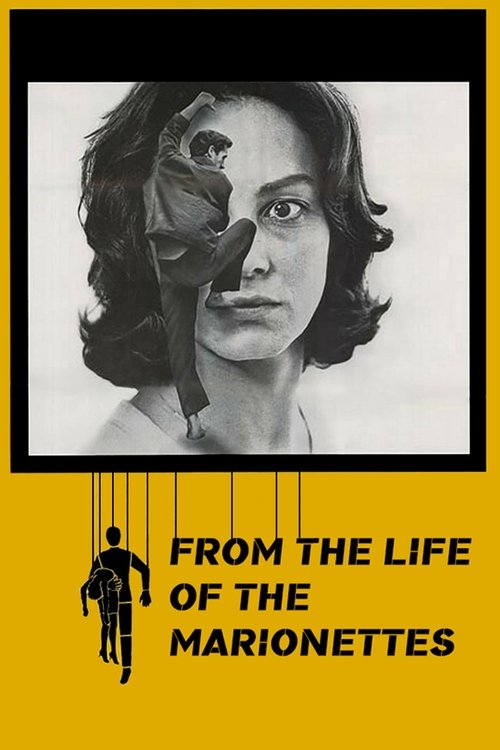
1980
No reviews yet. Be the first to share your thoughts on this movie!
Use the rating form above to leave a star rating and optional review.