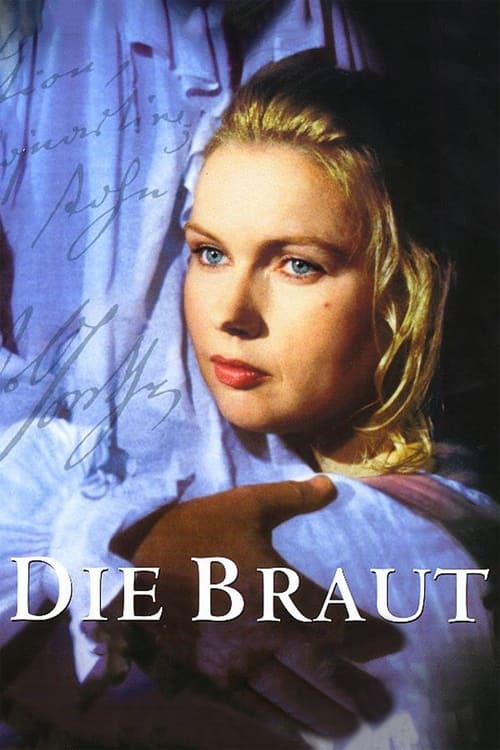
Die Braut
1999
No user ratings available yet
Representation score: 5.0 out of 10
Representation Score
Fair
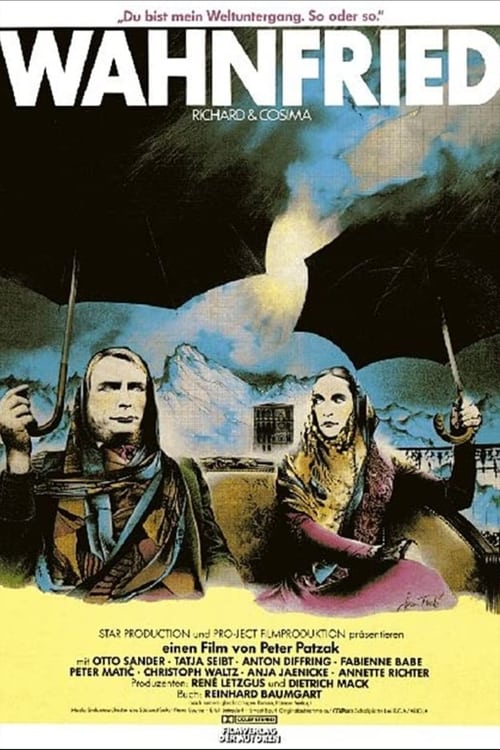
1986
Director
Peter Patzak
Runtime
173 minutes
Average Rating
No ratings yetNew Showbiz Analysis
Wahnfried is a character-driven study of how individual impulses clash with 19th-century social hierarchies. The film emphasizes personal autonomy over maintaining traditional domestic stability and reputation. While the film does not offer broad demographic representation regarding race and LGBTQ+ identities, it effectively challenges the rigid social structures of its era. It presents the protagonists' defiance of marriage and class as a significant disruption of institutionalized morality. Ultimately, the work is a period piece that values personal freedom. It prioritizes a focused critique of the era's strict social and matrimonial codes over broad demographic representation.
Category Breakdown
The film focuses on a heterosexual relationship and does not explicitly include queer identities in the main storyline.
The story challenges traditional gender roles by highlighting Cosima von Bülow's significant role in driving the plot and making independent decisions that go against patriarchal expectations.
Set in 1868 Europe, the film reflects the homogeneous demographics of its time. The cast and setting do not show racial or ethnic diversity, sticking to historical accuracy.
The narrative questions the stability of Western aristocratic institutions. It portrays traditional morality and the established family unit as barriers to individual truth and subjective passion.
There is no depiction of characters dealing with physical or neurodivergent disabilities in the film's historical context.
Present on Screen
Limited or Absent
Official Synopsis
Lake Lucerne in 1868: a passionate and forbidden affair flares up between the gifted composer Richard Wagner and the much younger Cosima von Bülow - the aristocrat is already married and the mother of four children. Contrary to all conventions, the two publicly confess their love - and break a social taboo in the process.
1999
1973
1947
1997
1958
1980
2013
1995
No reviews yet. Be the first to share your thoughts on this movie!
Use the rating form above to leave a star rating and optional review.