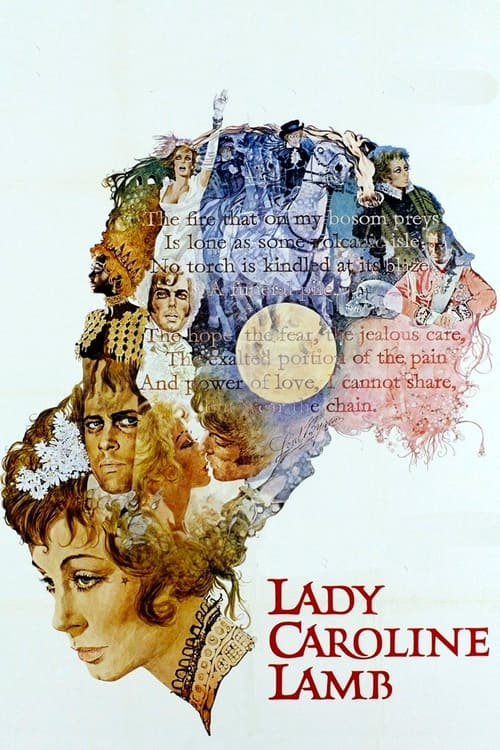
Lady Caroline Lamb
1972
No user ratings available yet
Representation score: 3.1 out of 10
Representation Score
Fair
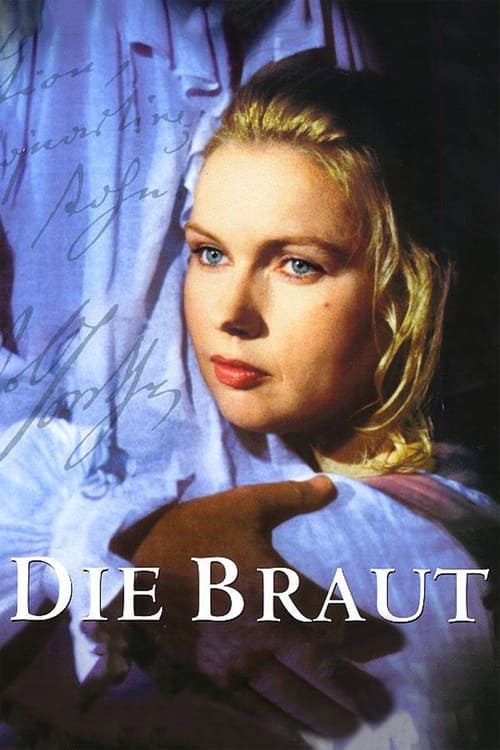
1999
Director
Egon Günther
Runtime
112 minutes
Average Rating
No ratings yetNew Showbiz Analysis
Die Braut is a historical drama that emphasizes the internal class struggles and social vulnerabilities of its main characters. While it prioritizes the resilience of women in rigid social structures, it lacks modern characters who reflect more than one aspect of diversity. The film's primary strength lies in its subversion of the 'great man' cliché, focusing instead on Christiane's resilience. However, the film remains confined to its specific historical period, limiting its scope regarding racial and LGBTQ+ diversity. The narrative is deeply rooted in the homogeneous European landscape of the Napoleonic era, offering little room for multi-ethnic or queer perspectives. Ultimately, the film critiques class-based hierarchies and restrictive gender roles, showcasing the systemic cruelty of the aristocracy despite a lack of broader cultural diversity.
Category Breakdown
The film focuses on the romantic tension between Goethe and Christiane, without depicting any LGBTQ+ identities or non-straight relationships.
Christiane Vulpius's emotional resilience against systemic oppression is highlighted, while her rival, Charlotte von Stein, complicates traditional feminine archetypes through her social maneuvering.
Set in Napoleonic-era Germany, the film reflects the homogeneous European society of the time. Representation is limited due to the historical context.
The film critiques the moral rigidity of the era by showing the conflict between formal social structures and personal passion. It portrays the social order as a source of exclusion.
There are no visible or invisible disabilities portrayed as central to the character arcs or plot progression.
Present on Screen
Limited or Absent
Official Synopsis
The relationship between Johann Wolfgang von Goethe, the great German writer, and Christiane Vulpius, a village girl, is one of the instantaneous and fiery passion. They lived together for 28 years, 18 of these living in sin, 10 a married couple. Christiane's rival, Charlotte von Stein, a former favorite of Goethe, begins plotting and scheming against her. Christiane puts up with countless insults and humiliations like having to 'disappear' with their son into the servants' quarters and to stay at home on official occasions. Goethe marries her when she saves his life during an attack by plundering Napoleonic soldiers. Her new social position as Goethe's wife is resented and envied by all. When she is openly attacked by the snooty, jealous people, Goethe is only half-hearted in coming to her defence. But she stays with him for he is her great love, even when she turns to the charms of many youthful admirers...
1972
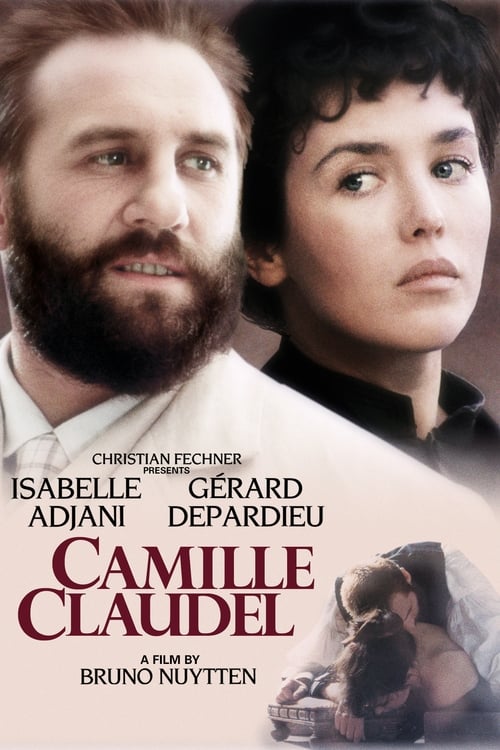
1988
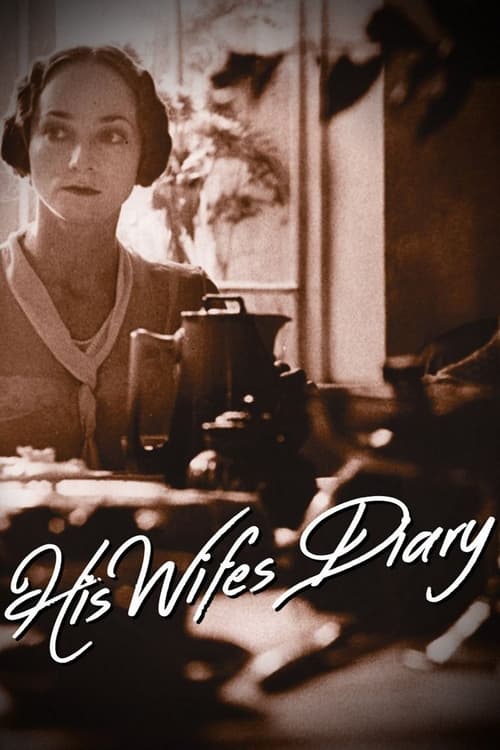
2000

1975

2023

1996

1966
2000
No reviews yet. Be the first to share your thoughts on this movie!
Use the rating form above to leave a star rating and optional review.