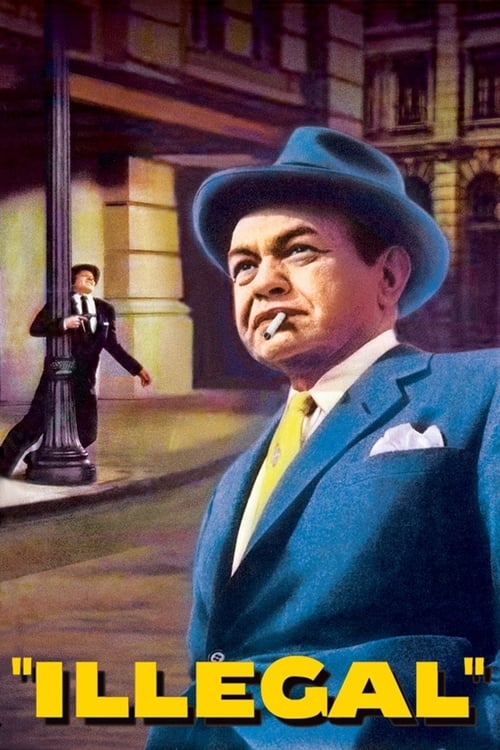
Illegal
1955
No user ratings available yet
Representation score: 2.6 out of 10

Representation Score
Limited
1947
Director
Henri Decoin
Runtime
95 minutes
Average Rating
No ratings yetNew Showbiz Analysis
Not Guilty is a classic mid-century French noir that centers on individual psychological tension rather than social or identity-based representation. The film adheres to the demographic standards of its time, focusing on a singular male perspective. While the film provides depth in exploring personal guilt and legal systems, it does not challenge traditional social structures. Ultimately, it serves as a character study of a man in crisis rather than a vehicle for diverse representation.
Category Breakdown
The film does not include any LGBTQ+ characters or show same-sex intimacy. It focuses solely on the psychological and legal issues faced by a single male character.
The story follows traditional mid-century gender roles, centered around a male doctor's professional and moral dilemmas. It does not challenge gender hierarchies or give significant roles to female characters.
The film reflects the demographic makeup of post-war France, with no non-white actors or diverse ethnic representation.
The film examines individual morality and legal justice within the existing social order. It does not explicitly challenge Western institutions or prioritize secular frameworks.
The film uses alcoholism as a key factor in the protagonist's crisis. However, it does not explore broader disabilities or neurodivergence.
Present on Screen
Limited or Absent
Official Synopsis
An alcoholic doctor accidentally kills someone and manages to make the death look like an accident. The episode triggers a sense of confidence and he resolves to correct the miseries of his life.
1955

1939
1947
1953
1967

1958
1951

1940
No reviews yet. Be the first to share your thoughts on this movie!
Use the rating form above to leave a star rating and optional review.