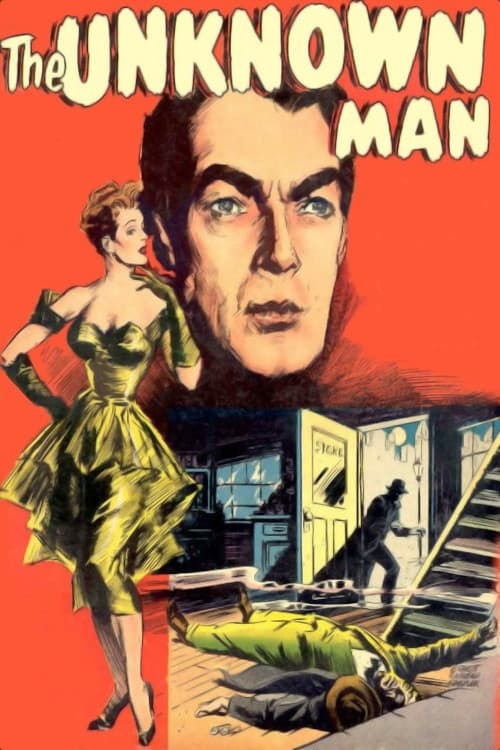
The Unknown Man
1951
No user ratings available yet
Diversity score: 2.2 out of 10
1949
NRDirector
Lewis R. Foster
Runtime
97 minutes
Average Rating
No ratings yetSynopsis
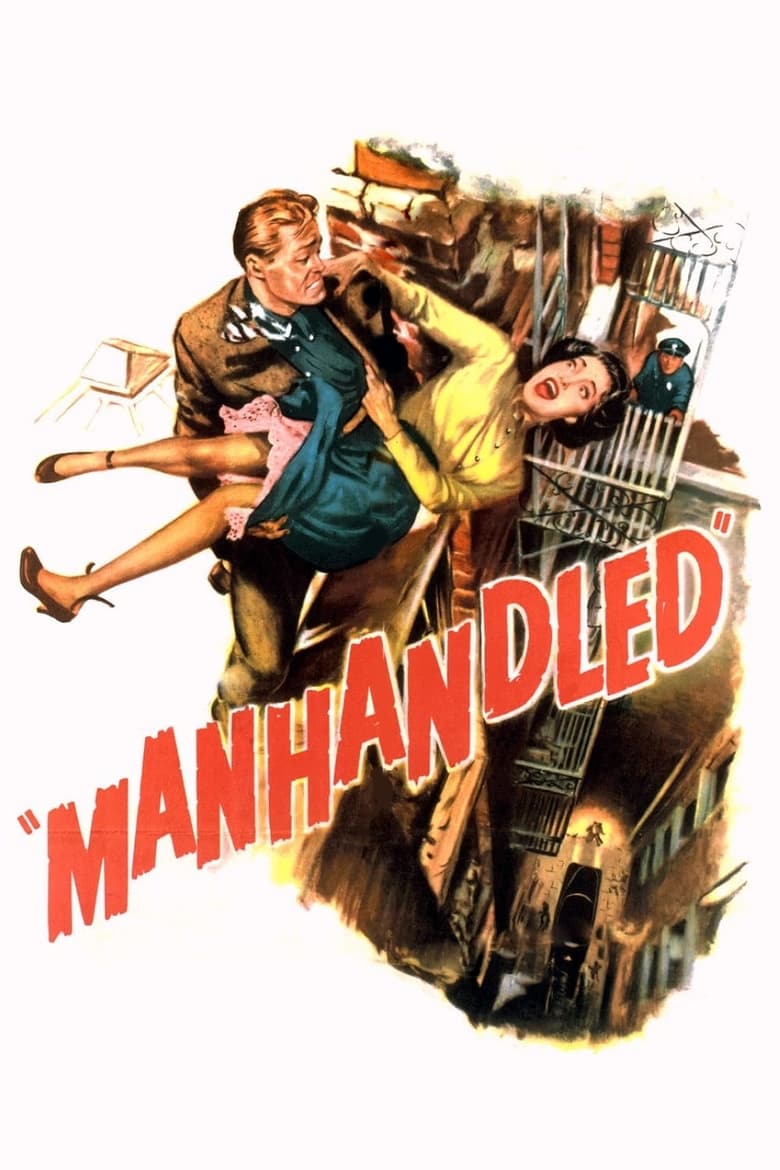
Merle Kramer works as a stenographer for a psychiatrist. She is casually dating Karl Benson, a private eye and former cop. Merle mentions in passing that one of her boss's patients is an author with recurring dreams of murdering his wife, and she includes the fact that the wife owns valuable jewels. When the wife is found murdered in a manner identical to that of her husband's dream, the husband is naturally the prime suspect. But as the investigation of the police and insurance investigator Joe Cooper proceeds, it turns out that several people in the case, including Merle, are not what they seem.
Overall Score
Limited
Category Breakdown
LGBTQ+ Representation
The film lacks LGBTQ+ characters or narratives addressing non-cisnormative identities. The central romantic dynamic is a conventional heterosexual pairing between Merle Kramer and Karl Benson.
Gender Representation
Merle Kramer provides a professional female lead as a stenographer. However, her agency is largely tied to the investigative frameworks established by the male characters.
Racial & Ethnic Diversity
The film reflects the homogeneous demographic norms of 1940s crime cinema. There is no indication of a diverse or non-Anglo-Saxon majority cast.
Religious & Cultural Diversity
The story focuses on individual criminality and institutional justice. It does not engage with systemic critiques or diverse cultural perspectives beyond standard mid-century social orders.
Disability Representation
Mental health is used primarily as a plot device involving a patient's violent dreams. This leans into the dangerous patient trope rather than nuanced representation.
Strengths
Areas for Improvement
AI Analysis
Manhandled is a standard mid-century crime drama that prioritizes traditional noir tropes over intersectional representation. The narrative follows established social hierarchies, focusing on a mystery driven by psychological impulses and institutional investigations. While the film features a professional female protagonist, she remains secondary to the male-driven investigative process. The lack of diverse casting or cultural critique keeps the film firmly within the demographic norms of its era. Ultimately, the film utilizes sensitive topics like mental health as mere plot mechanics. It functions as a period-typical procedural rather than a work that subverts systemic power dynamics.
1951
1953
1946
1947
1957
1946
1934
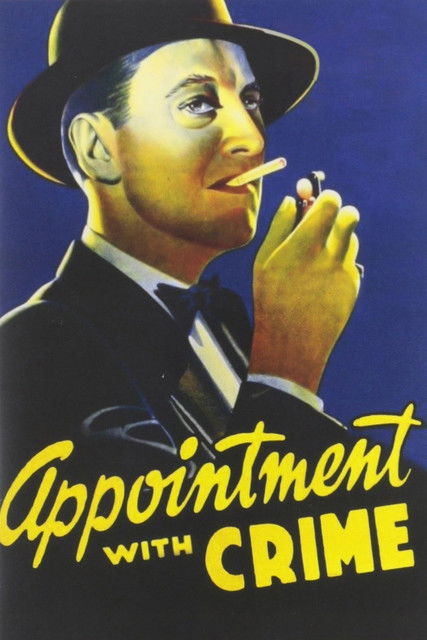
1946
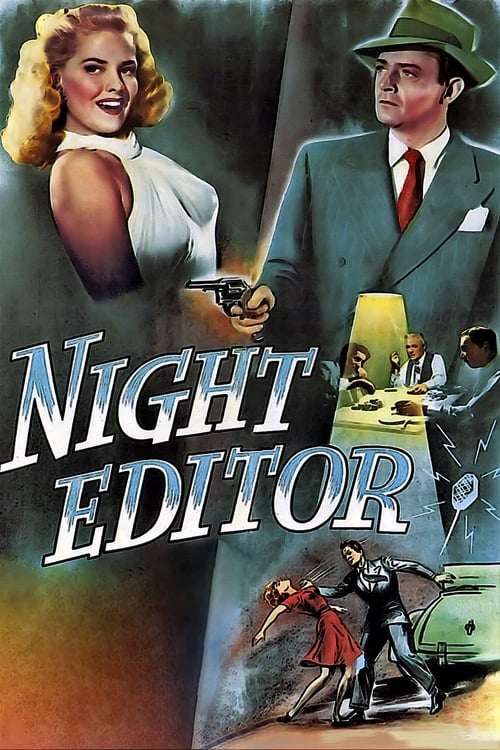
1946
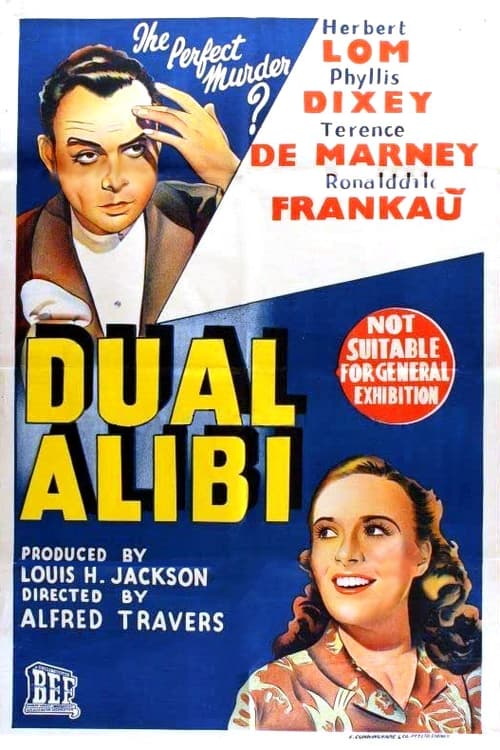
1947
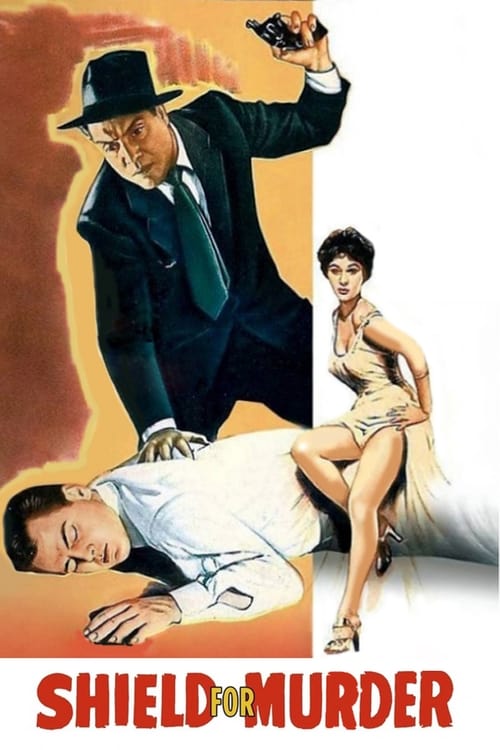
1954
1946
No reviews yet. Be the first to share your thoughts on this movie!
Use the rating form above to leave a star rating and optional review.