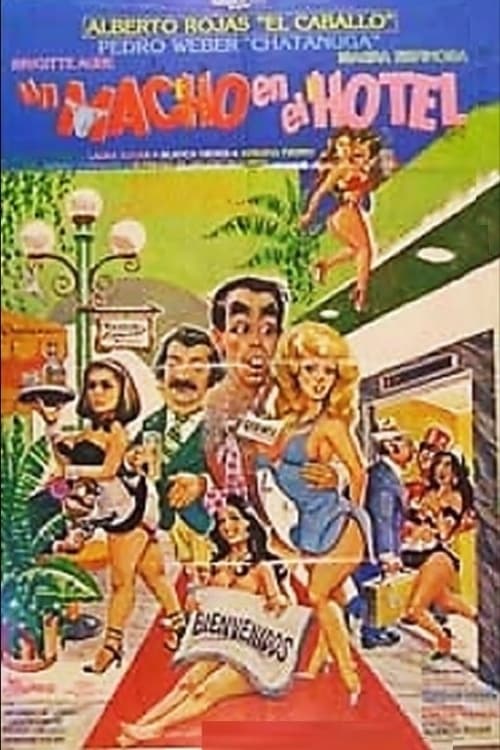
Un Macho en el Hotel
1989
No user ratings available yet
Representation score: 2.3 out of 10
Representation Score
Minimal
1989
Director
Alberto Rojas
Average Rating
No ratings yetNew Showbiz Analysis
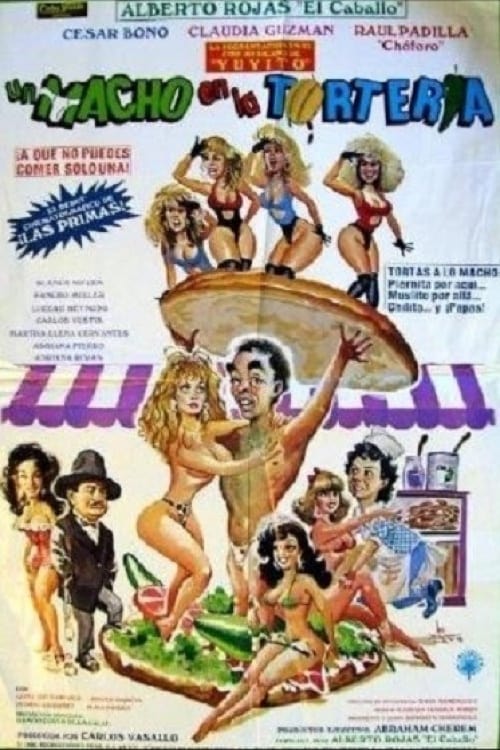
Un Macho en la Tortería is a conventional comedy that reflects the social norms of 1989 Mexican cinema. It relies on established comedic traditions without attempting to disrupt social hierarchies or provide depth on multiple aspects of diversity. While the film is set in a non-Anglo-Saxon cultural context, it does not make intentional efforts to blend diverse identities or challenge traditional norms. Its narrative structure stays within the conventional frameworks of its era.
Category Breakdown
The film does not depict any non-straight or non-cisgender identities. It follows traditional comedic structures typical of late-20th-century Mexican films.
The story centers on traditional masculine roles. There is no indication of challenging gender hierarchies or elevating women's roles.
As a Mexican production, the cast reflects the local population. However, the film mirrors the demographic uniformity of its specific cultural setting.
The film adheres to standard commercial comedic structures. It upholds localized cultural norms and traditional social structures of the time.
There is no information about characters with disabilities, visible or invisible. The film does not show a commitment to representing people with disabilities.
Present on Screen
Limited or Absent
1989
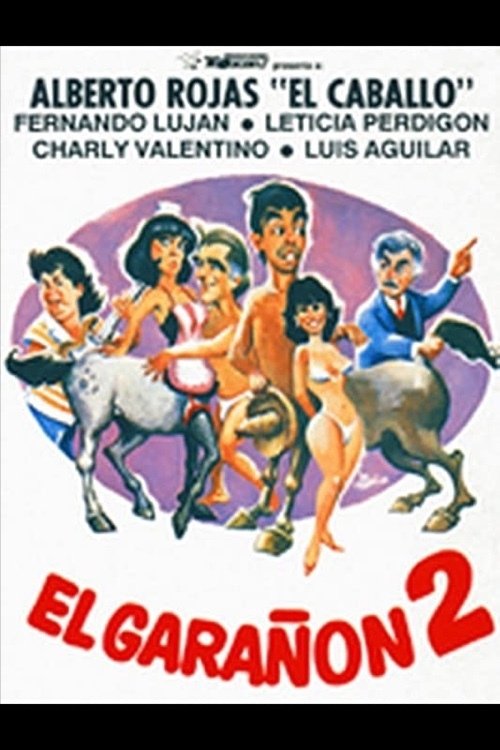
1990

1997
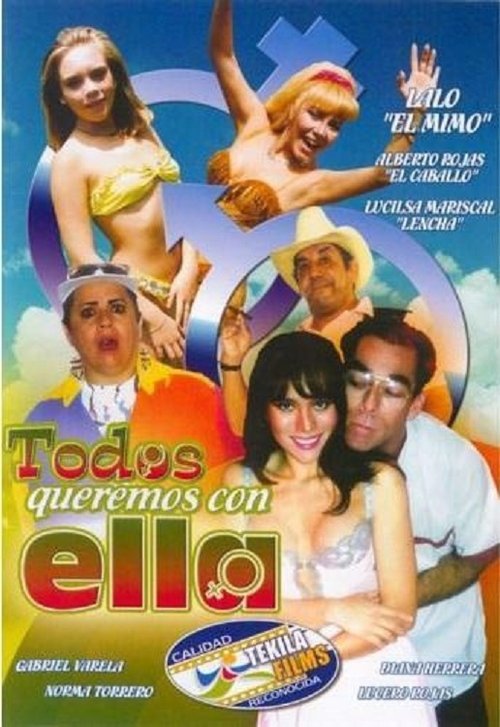
1993
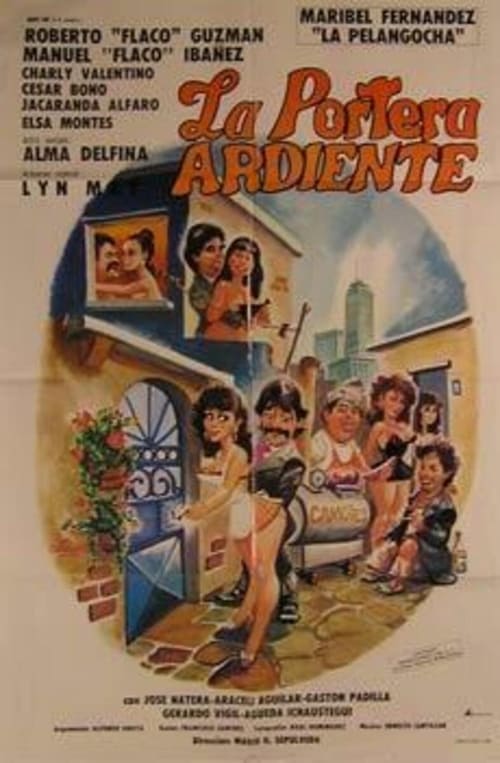
1989
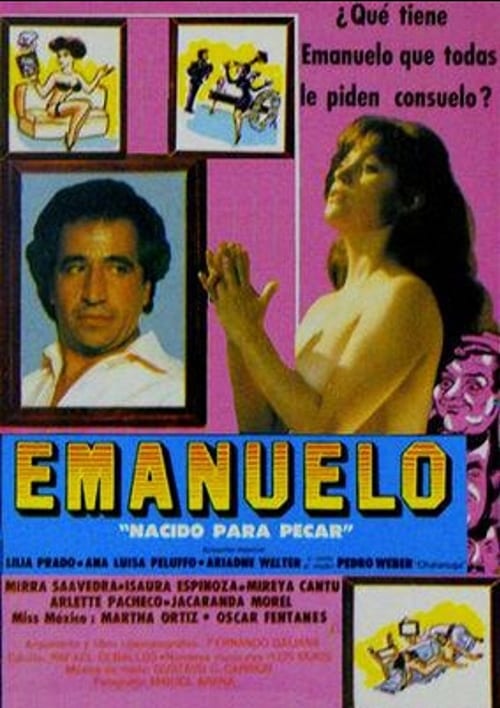
1984
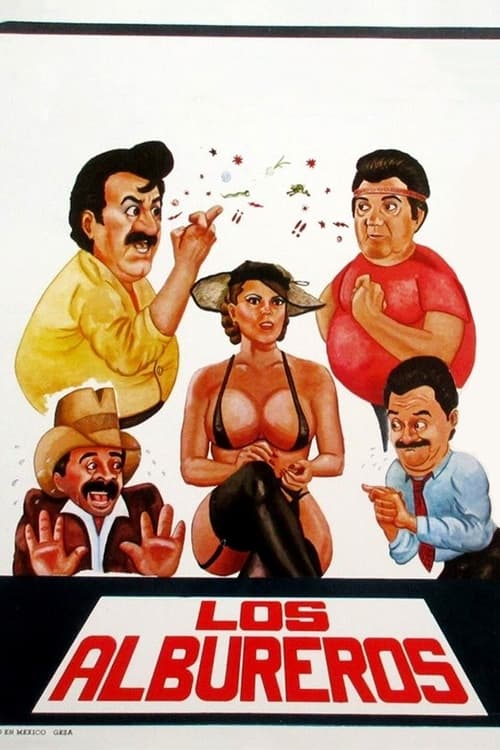
1988
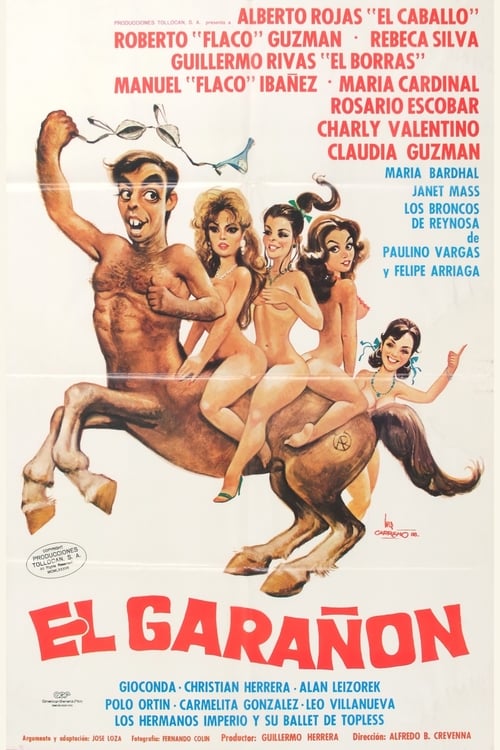
1989
No reviews yet. Be the first to share your thoughts on this movie!
Use the rating form above to leave a star rating and optional review.