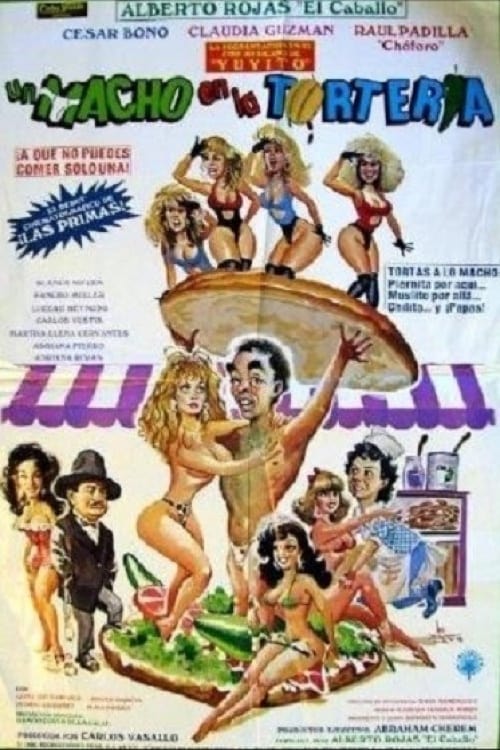
Un Macho en la Tortería
1989
No user ratings available yet
Representation score: 1.4 out of 10
Representation Score
Limited
1989
Director
Alberto Rojas
Average Rating
No ratings yetNew Showbiz Analysis
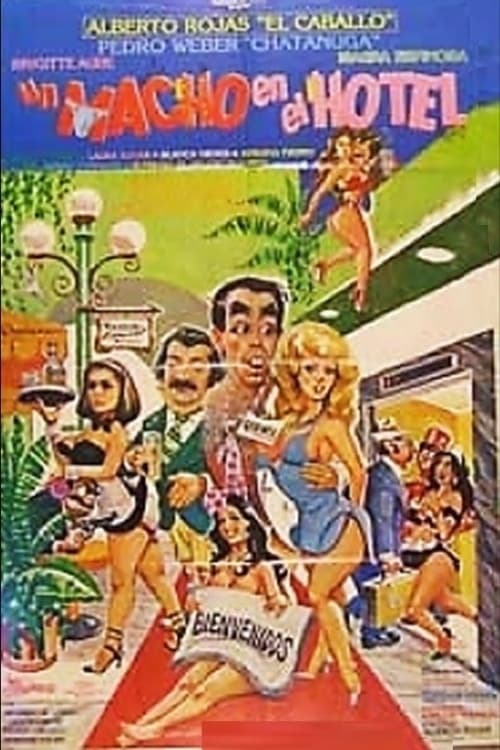
Un Macho en el Hotel functions as a commercial sexploitation comedy that prioritizes genre clichés over social complexity. The film adheres to the conventional constraints of its era, focusing on escapism rather than systemic critique. While the production features a predominantly Latin American cast, it lacks intentional blending of different aspects of identity. The narrative structure appears to reinforce traditional hierarchies rather than disrupting them. Ultimately, the film reflects the specific cultural and genre-based origins of late 1980s regional cinema, offering little in the way of progressive representation or character's ability to drive the story.
Category Breakdown
The film lacks LGBTQ+ characters or stories that challenge the assumption that everyone is straight or cisgender. Its classification as sexploitation suggests a focus on traditional heterosexual relationships.
Gender roles in the film appear highly stylized and traditional. Women are portrayed more as passive objects of the male gaze rather than active drivers of the plot.
The cast is predominantly made up of Latin American and Spanish-speaking actors. However, the film operates within a culturally homogeneous framework typical of its regional context.
The film aligns with traditional 1980s commercial entertainment values. It reinforces conventional social structures and traditional morality through escapist comedy.
There is no documented evidence regarding the inclusion of characters with physical or neurodivergent disabilities.
Present on Screen
Limited or Absent
1989
1990

1997
1993
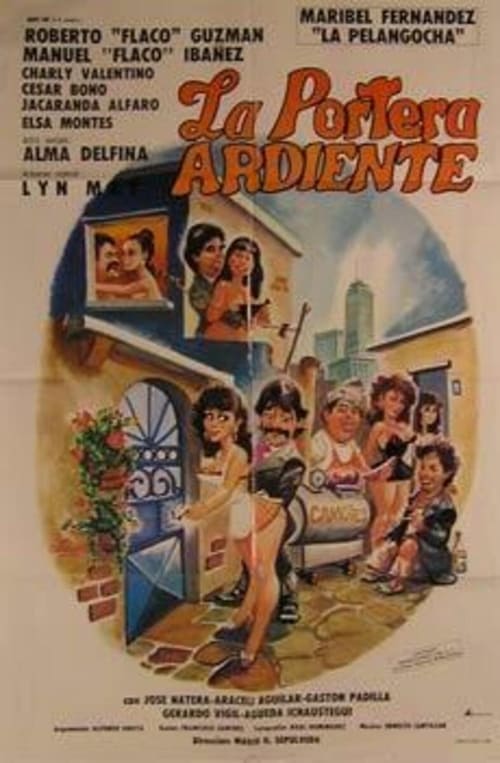
1989
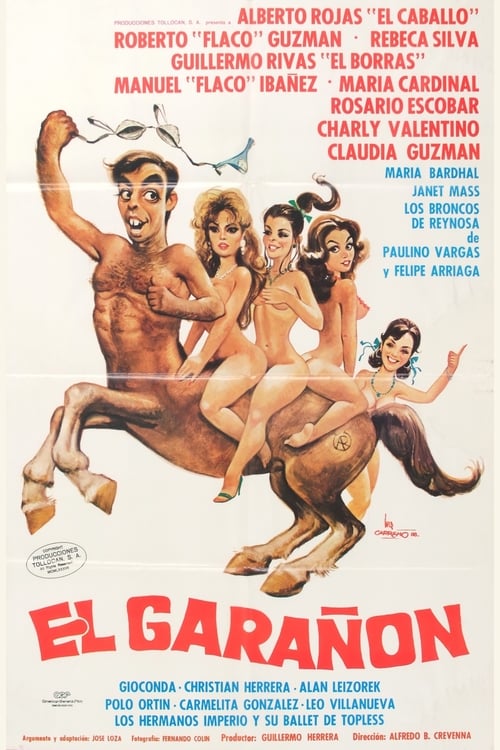
1989
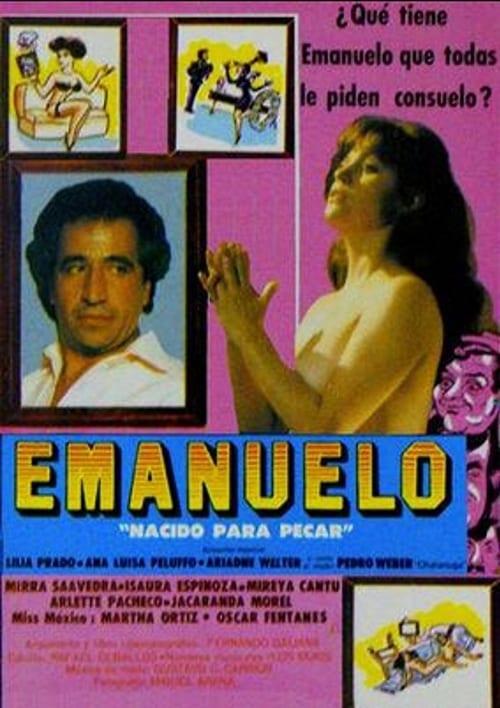
1984
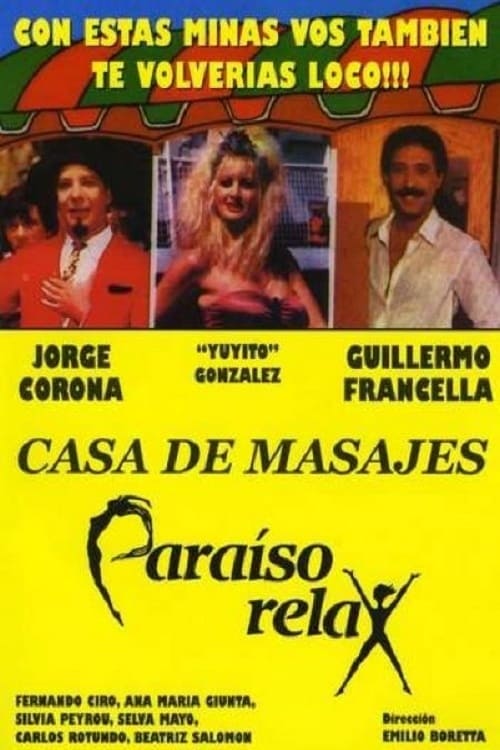
1988
No reviews yet. Be the first to share your thoughts on this movie!
Use the rating form above to leave a star rating and optional review.