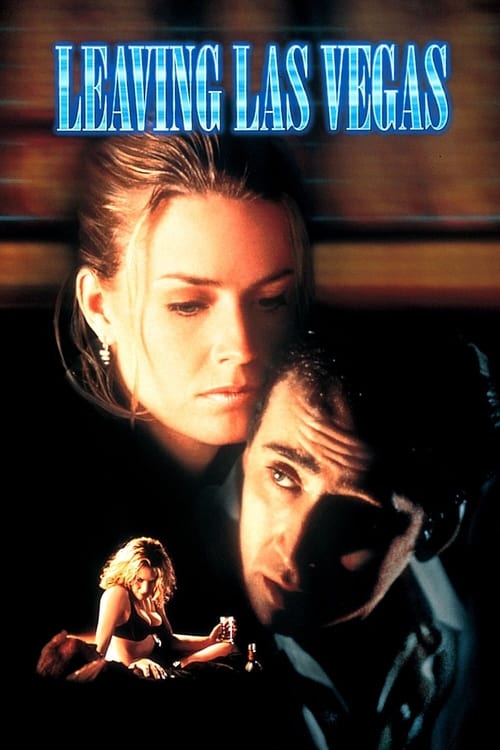
Leaving Las Vegas
1995
No user ratings available yet
Representation score: 5.7 out of 10

Representation Score
Fair
1988
RDirector
James Bridges
Runtime
107 minutes
Average Rating
No ratings yetNew Showbiz Analysis
Bright Lights, Big City is a character study of urban alienation that prioritizes psychological realism over demographic breadth. While it lacks significant LGBTQ+ and racial diversity, it succeeds in deconstructing traditional social structures and the hollow pursuit of metropolitan status. The film's strength lies in its thematic depth, particularly its critique of consumerism and its rejection of the standard success narrative. It presents a world of moral gray areas rather than clear-cut morality. However, the film remains limited by its homogeneous setting and its reliance on traditional romantic structures. The exploration of mental health is tied more to substance abuse than to a dedicated portrayal of disability.
Category Breakdown
The story focuses on heterosexual relationships. There is no representation of same-sex intimacy or non-binary gender identities.
Female characters play a significant role in driving the story. However, the film avoids traditional female archetypes, focusing instead on complex and volatile dynamics.
The depiction of 1980s Manhattan elite social circles is largely homogeneous. The narrative lacks significant racial or ethnic diversity.
The film critiques consumerist culture and status. It uses moral relativism to challenge singular moral frameworks and emphasizes the postmodern experience.
Mental health and neurodivergence are explored through addiction and urban alienation. These elements highlight existential loneliness rather than nuanced disability portrayals.
Present on Screen
Limited or Absent
Official Synopsis
A disillusioned young writer living in New York City turns to drugs and drinking to block out the memories of his dead mother and estranged wife.
1995
1945
1981
1987
2018
1971

2008
1987
No reviews yet. Be the first to share your thoughts on this movie!
Use the rating form above to leave a star rating and optional review.