Eyes Wide Shut
1999
No user ratings available yet
Representation score: 6.2 out of 10
Representation Score
Good
1989
RDirector
Steven Soderbergh
Runtime
101 minutes
Average Rating
No ratings yetNew Showbiz Analysis
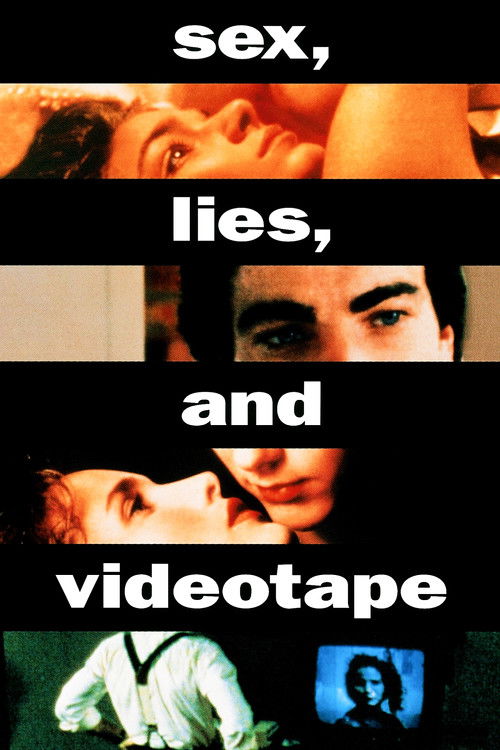
Soderbergh’s drama excels as a psychological study that deconstructs the stability of the nuclear family. It highlights nuanced gender dynamics, granting women a significant role in driving the story while exposing male emotional instability. However, the film is demographically limited, focusing on a homogeneous, white, middle-class environment. This results in a lack of racial and LGBTQ+ representation. Ultimately, the film prioritizes intellectual depth over demographic breadth, using voyeurism and moral relativism to challenge traditional social norms.
Category Breakdown
The film focuses mainly on heterosexual relationships and does not include explicit LGBTQ+ identities or non-traditional gender expressions.
Female characters play a significant role in driving the story, showing strong emotional ability to act. Male characters are portrayed as emotionally inept or detached.
The film focuses on a white, middle-class social circle in Baton Rouge, lacking racial or ethnic diversity.
The film challenges traditional Western institutions like marriage through a lens of moral relativism, emphasizing secular and psychological exploration over traditional religious frameworks.
No overt physical disabilities are depicted. However, Graham’s obsessive voyeurism and social detachment suggest neurodivergent behaviors, though these serve primarily as psychological character studies.
Present on Screen
Limited or Absent
Official Synopsis
Ann, a frustrated wife, enters into counseling due to a troubled marriage. Unbeknownst to her, her husband John has begun an affair with her sister. When John’s best friend Graham arrives, his penchant for interviewing women about their sex lives forever changes John and Ann’s rocky marriage.
1999

1986
1996
1998
1997
1989

2013
1989
No reviews yet. Be the first to share your thoughts on this movie!
Use the rating form above to leave a star rating and optional review.