The Lost Weekend
1945
No user ratings available yet
Representation score: 2.6 out of 10
Representation Score
Fair
1956
ApprovedDirector
Nicholas Ray
Runtime
95 minutes
Average Rating
No ratings yetNew Showbiz Analysis
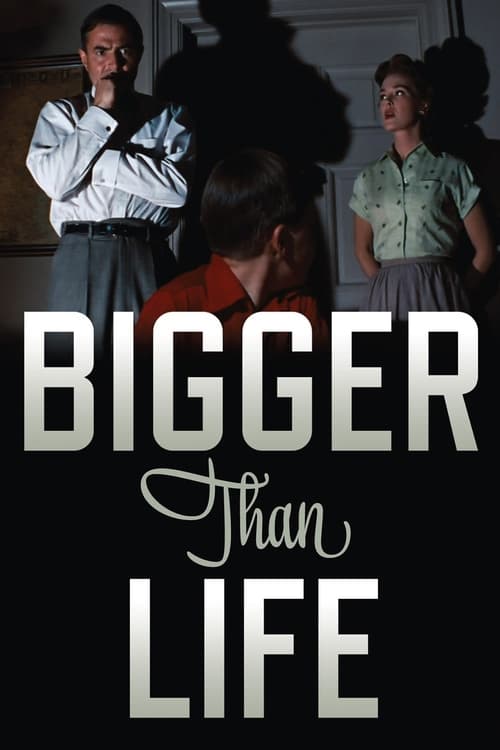
Bigger Than Life is a psychological study that questions the mid-century American suburban ideal. While it lacks broad demographic representation, it excels in challenging societal and institutional norms. The film's strength lies in its subversion of traditional roles and its critical view of authority. However, it remains constrained by the social limitations of its time, especially concerning racial and sexual orientation representation.
Category Breakdown
The film strictly follows a traditional family structure and does not include any non-cisgender identities or same-sex relationships.
The story challenges 1950s hierarchies as the male lead's decline pushes the female lead into an active management role. This highlights the emergence of women's control over the story.
Set in a homogeneous suburban area, the film focuses almost exclusively on a white, middle-class population. It lacks diverse racial or ethnic representation.
The narrative criticizes mid-century medical and pharmaceutical institutions, framing the protagonist's decline as a systemic issue rather than individual moral failure.
The film offers a harrowing exploration of mental health and mania. It centers on the lived experience of psychological instability rather than using it as a mere plot device.
Present on Screen
Limited or Absent
Official Synopsis
A friendly, successful suburban teacher and father grows dangerously addicted to cortisone, resulting in his transformation into a household despot.
1945

1955

2018

1963
1976
1982

1979

1988
No reviews yet. Be the first to share your thoughts on this movie!
Use the rating form above to leave a star rating and optional review.